Refine your search for walks in Le Gratteris
Le Gratteris walks


 Le Gratteris
 Visorando Member
 6.33 mi
 +692 ft
 -679 ft
 3h 30
3h 30
 Easy
Easy
 Departure from Le Gratteris (Doubs)
A short walk through the forest takes you from the very Catholic hermitage of Saint-Maximin to the prehistoric pagan dolmens. Then there is the viewpoint over Le Gratteris, whose name comes from the Celtic word kratt, meaning a stony field where you had to scratch hard to earn your livelihood. Return via the top of Mamirolle through the pastures.
The Belvédère du Gratteris and the Saint-Maximin Chapel
 5.29 mi
+548 ft
-548 ft
2h 55
Easy
Departure from Le Gratteris (Doubs)
5.29 mi
+548 ft
-548 ft
2h 55
Easy
Departure from Le Gratteris (Doubs)
A short walk through the forest takes you from the very Catholic hermitage of Saint-Maximin to the prehistoric pagan dolmens. You will end up at the viewpoint overlooking Le Gratteris, whose name comes from the Celtic word kratt, meaning a stony field where you had to scratch hard to earn your livelihood.
The Gratteris circular route via the Saint-Maximin Chapel, Les Roches and Mamirolle
6.79 mi
+738 ft
-745 ft
3h 45
 Moderate
Departure from Le Gratteris (Doubs)
Moderate
Departure from Le Gratteris (Doubs)
A walk with no particular difficulties, passing through beautiful forests where forestry work has, in places, left the paths a little rough. You’ll pass through the lovely site of the Saint-Maximin Chapel, then the Roches viewpoint will offer you a view over much of the plateau. You’ll then walk along a lovely forest track that will take you to the outskirts of Mamirolle. The return journey takes you through meadows and along the edges of the woods. Perhaps you’ll be lucky enough to spot some chamois in the pastures behind Le Gratteris or near the rocks? You can also visit the arboretum before enjoying the chapel grounds and their wooden tables, which are perfect for a rest.
The GPX track may prove useful.
The dolmens of the Bois de l’Ange Gardien
 4.11 mi
+433 ft
-449 ft
2h 15
Easy
Departure from Foucherans (Doubs)
4.11 mi
+433 ft
-449 ft
2h 15
Easy
Departure from Foucherans (Doubs)
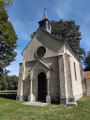
A short walk through the Bois du Mont to discover the wild charms of our Comtois karst forests and their sharp limestone pavements, which some might mistake for dolmens. Along the way, you’ll find beautiful wash-house fountains, a viewpoint over the Saône plain, an arboretum and the Saint-Maximin Chapel, where medieval pilgrims led a joyful life.
The sinkholes of the Bois du Mont
 4.82 mi
+423 ft
-440 ft
2h 35
Easy
Departure from Foucherans (Doubs)
4.82 mi
+423 ft
-440 ft
2h 35
Easy
Departure from Foucherans (Doubs)
A short walk through the Bois du Mont to discover the untamed charms of our Comtois karst forests, amongst sinkholes, sharp limestone pavements and rocks with sometimes astonishing shapes that some might mistake for dolmens. Along the way, you’ll find beautiful wash-house fountains, a ‘caborde’ (a type of covered shelter), an arboretum, a viewpoint overlooking the Saône plain, and the Chapel of Saint-Maximin, where, it is said, medieval pilgrims led a joyful life. A walk through the countryside and woodland, combining heritage with natural curiosities.
The Gratteris viewpoint, from sharp limestone pavement to dolmen
 6.50 mi
+584 ft
-597 ft
3h 30
Moderate
Departure from Tarcenay (Doubs)
6.50 mi
+584 ft
-597 ft
3h 30
Moderate
Departure from Tarcenay (Doubs)
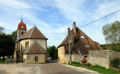
A walk through the countryside and woodland to discover the untamed charms of our karst forests and their sinkholes and sharp limestone pavements, which some would like to believe are dolmens. Along the way, beautiful wash-house fountains, a viewpoint over the Saône plain and the Chapel of Saint-Maximin, where medieval pilgrims led a joyful life.
Saône to Besançon with return by train
7.73 mi
+364 ft
-837 ft
3h 50
Moderate
Departure from Saône (Doubs)
A touch of holiday spirit as you take the train. A varied route passing through the Marais de Saône (information about the marsh), exploring the Creux sous Roche, and the Notre-Dame de la Libération viewpoint.
The Tourbillon Rock
 5.48 mi
+568 ft
-551 ft
3h 00
Easy
Departure from Trépot (Doubs)
5.48 mi
+568 ft
-551 ft
3h 00
Easy
Departure from Trépot (Doubs)
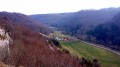
You will walk along an old railway line that has been converted into a footpath to reach the Rocher du Tourbillon viewpoint overlooking the charming little valley of La Brême. Return via the plateau with views of the Comté hills and the Hautepierre rock.
Circular walk starting from Saône
 6.62 mi
+269 ft
-246 ft
3h 15
Moderate
Departure from Saône (Doubs)
6.62 mi
+269 ft
-246 ft
3h 15
Moderate
Departure from Saône (Doubs)
Walk starting from Saône towards Gennes and back via the Bois de la Petite Chevillotte.
The Saône Marsh
 5.40 mi
+105 ft
-105 ft
2h 35
Easy
Departure from Saône (Doubs)
5.40 mi
+105 ft
-105 ft
2h 35
Easy
Departure from Saône (Doubs)
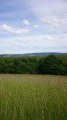
Hike in the Saône Marshes, following the water loop and the natural environment loop.
Varied terrain with ponds, dry pastures and wetlands.
The Plaisir Fontaine Cave
 3.29 mi
+571 ft
-574 ft
2h 00
Easy
Departure from Bonnevaux-le-Prieuré (Doubs)
3.29 mi
+571 ft
-574 ft
2h 00
Easy
Departure from Bonnevaux-le-Prieuré (Doubs)
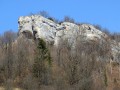
It is difficult to walk through our Loue valley without mentioning Gustave Courbet, who made this stream famous with his painting The Deer Slaughter at the Plaisir Fontaine Stream. He is also said to have painted his Self-Portrait with Black Dog here. Once again, you will follow in his footsteps to climb the Rocher du Tourbillon for superb views of the steep-sided Brême valley and finally return via the Ancien Prieuré de Bonnevaux, of which only the 12th-century bell tower remains.
The Rocher du Tourbillon and the Brême Valley
 1.98 mi
+312 ft
-315 ft
1h 10
Easy
Departure from Bonnevaux-le-Prieuré (Doubs)
1.98 mi
+312 ft
-315 ft
1h 10
Easy
Departure from Bonnevaux-le-Prieuré (Doubs)
From Bonnevaux-du-Haut, you’ll descend along lovely paths to the Rocher du Tourbillon viewpoint overlooking the charming little Brême valley, then walk through a beautiful, sun-drenched forest slope and return to the village via sun-drenched pastures with views of the Jura mountains.
The Grand Bois karst trail
 1.87 mi
+92 ft
-98 ft
0h 55
Easy
Departure from Mérey-sous-Montrond (Doubs)
1.87 mi
+92 ft
-98 ft
0h 55
Easy
Departure from Mérey-sous-Montrond (Doubs)
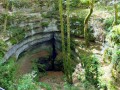
A short walk through the woods will allow you to discover a limestone landscape dotted with caves, chasms, sinkholes and sharp limestone pavements. Over thousands of years, water has chemically eroded the rock to create this surprising landscape. Cool temperatures are guaranteed, even in hot weather.
Le Saut du Chevalier
 4.31 mi
+755 ft
-725 ft
2h 40
Easy
Departure from Bonnevaux-le-Prieuré (Doubs)
4.31 mi
+755 ft
-725 ft
2h 40
Easy
Departure from Bonnevaux-le-Prieuré (Doubs)
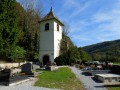
Starting from the bell tower of the former medieval priory, you will cross the cool Brème valley, so often painted by Courbet. Then, climbing back up to the Saut du Chevalier viewpoint, you will descend into the valley via a picturesque mule track.
From Brême to Loue
 7.64 mi
+1,040 ft
-1,010 ft
4h 25
Moderate
Departure from Bonnevaux-le-Prieuré (Doubs)
7.64 mi
+1,040 ft
-1,010 ft
4h 25
Moderate
Departure from Bonnevaux-le-Prieuré (Doubs)
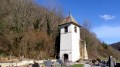
Starting from the bell tower of the old medieval priory, you will cross the cool Brême valley, so often painted by Courbet. You will climb up to the Saut du Chevalier viewpoint to reach the Vierge de la Roche du Mont, continuing along the cornices towards the Roche des Pins and its views over the Loue valley. You will climb up to the Septfontaine plateau and its views of the Jura mountains, before finally descending towards the Brême via a picturesque mule track.
The Brême Valley and the Plaisir Fontaine Caves
 7.58 mi
+1,093 ft
-1,102 ft
4h 25
Moderate
Departure from Bonnevaux-le-Prieuré (Doubs)
7.58 mi
+1,093 ft
-1,102 ft
4h 25
Moderate
Departure from Bonnevaux-le-Prieuré (Doubs)
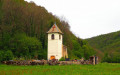
From the old priory, you will climb to the Rocher du Tourbillon viewpoint overlooking the charming little valley of La Brême, then walk along an old railway line converted into a footpath, before climbing back up to the wild cornices via sunken paths reminiscent of enchanted forests, and finally descending to the foot of the rocks towards the Plaisir Fontaine caves.
The Brême Valley: The priory, the Roche du Grand and the castle
 8.31 mi
+1,348 ft
-1,348 ft
5h 00
Moderate
Departure from Bonnevaux-le-Prieuré (Doubs)
8.31 mi
+1,348 ft
-1,348 ft
5h 00
Moderate
Departure from Bonnevaux-le-Prieuré (Doubs)
Starting from the bell tower of the old medieval priory, you will cross the cool Brême valley so often painted by Courbet. Then you will climb through a beautiful fir forest sheltered by stunning rocks, passing large boulders detached from the cliffs, towards the Grand viewpoint overlooking the upper Loue valley, Ornans and the Val de Scey. Continuing towards the Fontaine aux Vipères and then the castle overlooking the town, you will descend into the valley via a picturesque mule track.
The Landes Circular Walk in Gennes
 5.20 mi
+525 ft
-502 ft
2h 50
Easy
Departure from Gennes (Doubs)
5.20 mi
+525 ft
-502 ft
2h 50
Easy
Departure from Gennes (Doubs)
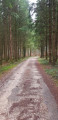
A hillside walk through the forest between Gennes and Nancray. Explore the old village of Gennes, then take in the scents of the fir forest, and finally the field of wild blackberries, which are a delight to pick from September to October.
The water cycle and natural environments of the Saône marshlands
 4.08 mi
+115 ft
-115 ft
2h 00
Easy
Departure from Montfaucon (Doubs) (Doubs)
4.08 mi
+115 ft
-115 ft
2h 00
Easy
Departure from Montfaucon (Doubs) (Doubs)
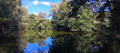
This easy loop takes hikers on a journey of discovery through forests, pastures and preserved wetlands. You will pass through the typical hamlet of La Couvre, peaceful woods and pretty wooden pontoons will lead you to the ponds of Prés Neufs, La Vaivre, and Creux sous Roche, which drains water from the Bisontins to the source of Arcier. The route offers a variety of settings: old farms, romantic ruins, streams and clearings. Between the reflections on the water, the croaking of frogs and the rural landscapes, the walk charms visitors with its diversity and tranquillity. Accessible to all, it is an ideal nature walk for families.
The Brême Gorges
 4.48 mi
+486 ft
-492 ft
2h 30
Easy
Departure from Charbonnières-les-Sapins (Doubs)
4.48 mi
+486 ft
-492 ft
2h 30
Easy
Departure from Charbonnières-les-Sapins (Doubs)
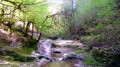
A countryside and woodland walk to explore the small, wild gorges of the Brême stream, complementing a visit to the Dino-Zoo.
Circular route from La Malate to Montfaucon
7.88 mi
+1,198 ft
-1,181 ft
4h 40
Moderate
Departure from Montfaucon (Doubs) (Doubs)
A mixed walk along roads and forest tracks. Descend by road bike to La Malate and climb back up via the castle and the Montfaucon viewpoint. The descent takes you through the Montfaucon woods with views across the whole of the Haut Doubs and the Jura mountains, and even as far as the Alps on a clear day.
The Batterie des Rattes and the Fort d’Épesses
 4.82 mi
+656 ft
-640 ft
2h 45
Easy
Departure from Gennes (Doubs)
4.82 mi
+656 ft
-640 ft
2h 45
Easy
Departure from Gennes (Doubs)
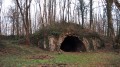
A short walk through the woods to discover these two batteries, which complemented the Fort de Montfaucon completed in 1878. They form part of the first phase of construction of the Besançon fortified camp and are named after the wooded localities in the midst of which they are situated.
Tour du Mont de Naisey
8.20 mi
+1,076 ft
-1,076 ft
4h 40
Moderate
Departure from Naisey-les-Granges (Doubs)
Balade entièrement forestière et empruntant des chemins blancs et forestiers.
The ridge line, Notre-Dame des Buis and La Libération
 4.67 mi
+571 ft
-581 ft
2h 40
Easy
Departure from Fontain (Doubs)
4.67 mi
+571 ft
-581 ft
2h 40
Easy
Departure from Fontain (Doubs)
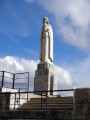
Head towards the Chapelle des Buis and Notre-Dame de la Libération viewpoints overlooking the city of Besançon and its citadel via a ridge path scented with boxwood, running alongside the walls of an old abandoned fort and the charming little Mercureaux valley.
Circular route from Gennes to Nancray via the woods of Faule and La Côte
7.75 mi
+466 ft
-479 ft
4h 00
Moderate
Departure from Gennes (Doubs)
A walk through the forest along dirt tracks and local roads. Passing by the Moulin Neuf and the Source du Fontenis.
The Arcier Springs via the Grand Bois, starting from Gennes
 5.16 mi
+1,283 ft
-1,270 ft
3h 30
Moderate
Departure from Gennes (Doubs)
5.16 mi
+1,283 ft
-1,270 ft
3h 30
Moderate
Departure from Gennes (Doubs)
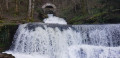
Follow the water’s path as it disappears into the underground channels (see ‘During’ section below) at Saône, Gennes and Nancray, only to reappear near Arcier. The footpath and small roads through the woodland will take you from one hillside to the other, offering alternating views of the plateau and the Doubs valley, before you reach the water again at the Arcier springs.
The Avancée Battery
 4.71 mi
+679 ft
-682 ft
2h 45
Easy
Departure from Montfaucon (Doubs) (Doubs)
4.71 mi
+679 ft
-682 ft
2h 45
Easy
Departure from Montfaucon (Doubs) (Doubs)
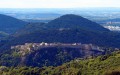
The Montfaucon viewpoint over the Doubs valley, the Citadel, the Jura mountains and, on a clear day, Mont Blanc. Fort Woirol, its forward battery, its redoubts and a leap back 1,000 years with a lovely view of the ruins of the feudal castle.
Nancray Mill Route
 6.06 mi
+538 ft
-554 ft
3h 15
Moderate
Departure from Nancray (Doubs)
6.06 mi
+538 ft
-554 ft
3h 15
Moderate
Departure from Nancray (Doubs)
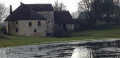
Explore Nancray, its water springs, its old mill, the Bois de la Côte, and finally return via the Forêt des Landes. And of course, take the opportunity to visit the Nancray Open-Air Ecomuseum of Comtois Houses, featuring around thirty typical rural houses from Franche-Comté.
The Feudal Castle of Montfaucon
 4.69 mi
+676 ft
-669 ft
2h 45
Easy
Departure from Montfaucon (Doubs) (Doubs)
4.69 mi
+676 ft
-669 ft
2h 45
Easy
Departure from Montfaucon (Doubs) (Doubs)
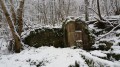
During this walk, you will pass through almost 1,000 years of military history, from the ruins of the old medieval castle to the Woirol military fort, built at the end of the 19th century, enjoying numerous views of the Bisontine valley and, on a clear day in the early morning or evening, the Bernese Oberland Alps and Mont Blanc.
The Janniet Fountain
 3.87 mi
+673 ft
-676 ft
2h 20
Easy
Departure from Montfaucon (Doubs) (Doubs)
3.87 mi
+673 ft
-676 ft
2h 20
Easy
Departure from Montfaucon (Doubs) (Doubs)
You will descend the wooded hillside of Nacra via a path that is barely visible in autumn, hidden under the leaves, but charming and lined with daffodils in spring, where you may catch a glimpse of the Vouivre dragon reflected in the green waters of the old Janniet fountain. You will discover views of the valley below and above, with the pretty line of the Besançon mountains: Bregille, Mont Saint-Étienne and its citadel, Chaudanne and Rosemont.
The Montfaucon valley
 3.27 mi
+512 ft
-512 ft
1h 55
Easy
Departure from Montfaucon (Doubs) (Doubs)
3.27 mi
+512 ft
-512 ft
1h 55
Easy
Departure from Montfaucon (Doubs) (Doubs)
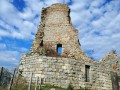
Perched on a rocky outcrop, nestled in the hollow of a charming valley for nearly ten centuries, the ruins of the ancient medieval fortress overlook the Doubs valley. After a visit to the keep and the old village, you’ll make your way beneath the ruins of the old castle. Then, descending into the wild, refreshing coolness of the Nacra gorge, you’ll return to the village via a path that’s rather shy in autumn, hidden beneath the leaves, but charming and lined with daffodils in spring.
The Nacra ravine, the Côte d’Arbois and Fort Woirol
 3.62 mi
+896 ft
-879 ft
2h 25
Easy
Departure from Montfaucon (Doubs) (Doubs)
3.62 mi
+896 ft
-879 ft
2h 25
Easy
Departure from Montfaucon (Doubs) (Doubs)
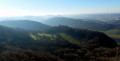
A route for experienced and cautious walkers. ‘Just 6 short kilometres,’ you might think dismissively. Pffft! A leisurely Sunday stroll. Be wary, however. This short hike has plenty of challenges in store for you, and you’ll appreciate the wild, refreshing atmosphere of the Nacra ravine, the climb up the Côte d’Arbois – which isn’t quite as gentle as it sounds – and its unspoilt viewpoint overlooking the ruins of the feudal castle nestled in a charming little valley. The return journey is more peaceful, via Fort Woirol and the Alps viewpoint.
Montfaucon: Dhuit Fountain
 4.25 mi
+764 ft
-771 ft
2h 35
Easy
Departure from Montfaucon (Doubs) (Doubs)
4.25 mi
+764 ft
-771 ft
2h 35
Easy
Departure from Montfaucon (Doubs) (Doubs)
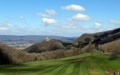
Peaceful downhill hike through the Montfaucon valley to the feudal castle perched on its rocky outcrop. Then from a lost fountain to a forgotten fountain, you will go through and, no doubt, appreciate the wild freshness of the Nacra steephead valley.
The Alps viewpoint
 2.29 mi
+371 ft
-371 ft
1h 25
Easy
Departure from Montfaucon (Doubs) (Doubs)
2.29 mi
+371 ft
-371 ft
1h 25
Easy
Departure from Montfaucon (Doubs) (Doubs)
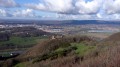
During this short walk, you’ll discover the powder magazines of Fort Woirol, its signal post and its anti-aircraft batteries, ending at the Alpes viewpoint overlooking the Doubs valley, the Citadel, the Jura mountains and, on a clear day, Mont Blanc.
The Montfaucon Blockhouses
 3.98 mi
+554 ft
-554 ft
2h 20
Easy
Departure from Montfaucon (Doubs) (Doubs)
3.98 mi
+554 ft
-554 ft
2h 20
Easy
Departure from Montfaucon (Doubs) (Doubs)
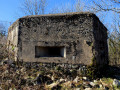
Fort Woirol, built in the late 19th century, with its signal post, anti-aircraft batteries, forward battery and redoubts. Then a leap back 1,000 years to the feudal castle perched on its rocky spur. Walkers with a less military mindset will enjoy this woodland walk and its views over the Doubs valley, the Saône plain, the Jura Mountains and, on a clear day, the Alps, from the Bernese Oberland to Mont Blanc.
The feudal castle of Montfaucon, Fort Woirol and the Fontaine de la Dhuit
 4.91 mi
+935 ft
-909 ft
3h 05
Easy
Departure from Montfaucon (Doubs) (Doubs)
4.91 mi
+935 ft
-909 ft
3h 05
Easy
Departure from Montfaucon (Doubs) (Doubs)
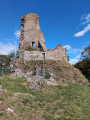
Between forest paths and old walls covered in ivy, this hike immerses you in nature and heritage: from the Vue des Alpes viewpoint to the cliffs overlooking the Doubs valley, the route offers panoramic views of the Citadel, the Jura Mountains and the Saône plain. Along the way, history unfolds: Fort Woirol, marked by a tragic explosion, the optical post and its anti-aircraft batteries, as well as the imposing remains of the feudal castle, testimony to a rich medieval past.
The Nacra valley, the Dhuit fountain and the castle ruins
 3.65 mi
+682 ft
-686 ft
2h 15
Easy
Departure from Montfaucon (Doubs) (Doubs)
3.65 mi
+682 ft
-686 ft
2h 15
Easy
Departure from Montfaucon (Doubs) (Doubs)
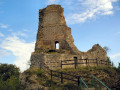
The Montfaucon valley, watched over by its thousand-year-old keep, is undoubtedly one of the most charming places near Besançon, with its ruins reminiscent of "German Romanticism". You can explore it via the cool, wild and remote Nacra and the sylvan fountain of La Dhuit, where you can imagine the Vouivre dragon reflecting in its green waters.
The Chemin de La Bro
 3.01 mi
+607 ft
-597 ft
1h 55
Easy
Departure from Morre (Doubs)
3.01 mi
+607 ft
-597 ft
1h 55
Easy
Departure from Morre (Doubs)
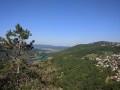
In just five kilometres, you will discover Notre-Dame de la Libération, overlooking Besançon from its altitude of 500 metres, built in gratitude for the city's preservation during the last war. Then you will cross the Monts des Buis, climbing towards wilder viewpoints over the Doubs valley.
Fort Woirol and the Épesses Battery
 4.89 mi
+433 ft
-443 ft
2h 40
Easy
Departure from Montfaucon (Doubs) (Doubs)
4.89 mi
+433 ft
-443 ft
2h 40
Easy
Departure from Montfaucon (Doubs) (Doubs)
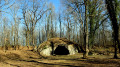
Fort Woirol, built in 1874 alongside other fortifications, forms part of the formidable ‘Montfaucon defensive line’. You will also discover the signal station, fitted out for telegraphy using Morse code light signals, the powder magazine, the Épesses Battery and several firing positions, all designed to threaten an enemy that never came. But beyond this military history, you will enjoy superb views over the Doubs valley and the ruins of a feudal castle.
The Brême Well
 3.98 mi
+627 ft
-650 ft
2h 20
Easy
Departure from Scey-Maisières (Doubs)
3.98 mi
+627 ft
-650 ft
2h 20
Easy
Departure from Scey-Maisières (Doubs)
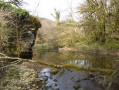
Walking along the banks of the emerald-green Brême, you will enter a dense forest until you reach the Ravin du Puits Noir, a dark, hidden, impenetrable and wild place where Gustave Courbet set up his easel more than fifty times. You will emerge at La Gouille, where goats once drank, and return peacefully via the old Tacot road and its viaduct, passing by the Puits de la Brême, the entrance to the underworld or the crystal palace of the fairies.
The Belvédère du Grand and the Château
 6.52 mi
+1,299 ft
-1,302 ft
4h 10
Moderate
Departure from Scey-Maisières (Doubs)
6.52 mi
+1,299 ft
-1,302 ft
4h 10
Moderate
Departure from Scey-Maisières (Doubs)
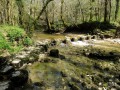
From a beautiful pine forest, sheltered by beautiful rocks and crossing large boulders detached from the cliffs, you will arrive at the Belvédère de la Roche du Grand viewpoint at the head of the valley, overlooking Ornans and the Val de Scey. Continuing towards the Fontaine aux Vipères, where Courbet's cancan dancers once performed, then to the castle overlooking the town, you will return through meadows overlooking the upper Loue valley, finally descending into the Brême valley through a beautiful, light-filled rocky forest.
The Traîne Bâton path
 4.46 mi
+778 ft
-797 ft
2h 45
Easy
Departure from Morre (Doubs)
4.46 mi
+778 ft
-797 ft
2h 45
Easy
Departure from Morre (Doubs)
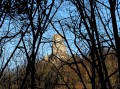
From the ancient Fontaine de Janniet, lost in the depths of the woods where, perhaps, the Vouivre dragon once gazed at its reflection in its green waters, you will plunge into the wild freshness of the Nacra valley. Then, slipping under the ruins of the old castle, accompanied by the scent of boxwood so characteristic of our limestone mountains, you will return, following the river and climbing back up the mountain via the beautifully named "Chemin du Traîne Bâton" (Walking Stick Path).
The Ravin du Puits Noir and the Belvédère du Tourbillon
 8.40 mi
+1,119 ft
-1,122 ft
4h 50
Moderate
Departure from Scey-Maisières (Doubs)
8.40 mi
+1,119 ft
-1,122 ft
4h 50
Moderate
Departure from Scey-Maisières (Doubs)
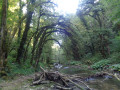
Following in the footsteps of Gustave Courbet, the Ravin du Puits Noir was one of the painter's favourite places. You will follow the course of the Brême, walk peacefully along the old Tacot road, climb the Roche du Tourbillon for superb views of the picturesque and steep-sided Brême valley, and finally end at the Prieuré de Bonnevaux, of which only a charming chapel and its 12th-century bell tower remain.
The Gunpowder Trail at Fort Woirol
 4.74 mi
+899 ft
-896 ft
3h 00
Moderate
Departure from Montfaucon (Doubs) (Doubs)
4.74 mi
+899 ft
-896 ft
3h 00
Moderate
Departure from Montfaucon (Doubs) (Doubs)
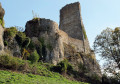
As you make your way down the wild Nacra gorge along a path—timid in autumn, hidden beneath the leaves, but charming and lined with daffodils in spring—you may catch a glimpse of the Vouivre river reflecting in the green waters of the Fontaine de la Dhuit. Then 1,000 years of military history, from Fort Woirol – with its powder magazines, signal post and anti-aircraft batteries – to the feudal castle and, finally, the ‘Belvédère des Alpes’ viewpoint overlooking the Doubs valley, the Citadel and, on a clear day, Mont Blanc.
The Montfaucon defensive mole
 7.83 mi
+830 ft
-856 ft
4h 20
Moderate
Departure from Montfaucon (Doubs) (Doubs)
7.83 mi
+830 ft
-856 ft
4h 20
Moderate
Departure from Montfaucon (Doubs) (Doubs)
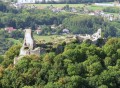
Hike through the defensive wall of Montfaucon, a system of fortifications essential to the defence of Besançon. Built between 1870 and 1889 on a cliff, the site overlooks the city at an altitude of 617 metres. For walkers with less of a military bent, you will enjoy this woodland walk with its views of the Doubs valley, the Citadel, the Jura Mountains and, on a clear day, the Alps, from the Bernese Oberland to Mont Blanc.
The Montfaucon viewpoint
 1.90 mi
+138 ft
-131 ft
1h 00
Easy
Departure from Montfaucon (Doubs) (Doubs)
1.90 mi
+138 ft
-131 ft
1h 00
Easy
Departure from Montfaucon (Doubs) (Doubs)
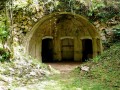
The Montfaucon viewpoint over the Doubs valley, the Citadel, the Jura mountains and, on a clear day, Mont Blanc. Fort Woirol, its anti-aircraft batteries, its redoubts and, finally, a lovely view of the ruins of the feudal castle.
La voie romaine de Trois Châtels
3.85 mi
+633 ft
-633 ft
2h 20
Easy
Departure from Morre (Doubs)
Du splendide belvédère de Notre-Dame de la Libération, sur la boucle surmontée de sa Citadelle et sur les monts jurassiens, vous poursuivrez par la voie romaine vers la Grotte-Ermitage de Saint-Léonard et reviendrez à la chapelle par les Monts des Buis.
Le Trou au Loup
 5.91 mi
+814 ft
-817 ft
3h 25
Easy
Departure from Morre (Doubs)
5.91 mi
+814 ft
-817 ft
3h 25
Easy
Departure from Morre (Doubs)
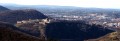
From the Liberation Monument, built in 1945, and its crypt dedicated to the memory of war victims, you can enjoy beautiful views of the city topped by its Citadel on one side and, on a clear day, the Vosges mountains on the other and the Jura ridges. Then, as you walk along the beautiful ridgelines, you will discover views of the valley below and above, with the pretty line of the Besançon mountains: Bregille, Mont Saint-Étienne and its Citadel, Chaudanne and Rosemont.
Notre-Dame de la Libération and the Caves of Saint-Léonard
 5.76 mi
+945 ft
-945 ft
3h 30
Moderate
Departure from Morre (Doubs)
5.76 mi
+945 ft
-945 ft
3h 30
Moderate
Departure from Morre (Doubs)
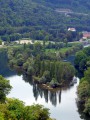
In 1940, the Archbishop of Besançon, Mgr Dubourg, vowed to erect a statue to the Virgin Mary if the city was not destroyed. From this splendid viewpoint overlooking the loop topped by its Citadel, you can continue on your pilgrimage to the Grotte-Ermitage de Saint-Léonard and Notre-Dame-des-Buis, before returning with a spring in your step via the foothills of the Citadel and the Forts des Buis, stopping off at the many viewpoints over the city and other more rugged spots overlooking the Doubs and Mercureaux valleys.
The Narpent viewpoint
 4.35 mi
+735 ft
-732 ft
2h 40
Easy
Departure from Malbrans (Doubs)
4.35 mi
+735 ft
-732 ft
2h 40
Easy
Departure from Malbrans (Doubs)
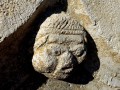
A wild getaway to discover the entire Loue valley from the top of the Malbrans plateau, from the Hautepierre rock to Mount Poupet, then from an equally wild viewpoint, the Scey en Varais valley and, silhouetted against the sky, the outline of the Saint-Denis castle.
The boxwood trail
 2.51 mi
+623 ft
-623 ft
1h 40
Easy
Departure from Morre (Doubs)
2.51 mi
+623 ft
-623 ft
1h 40
Easy
Departure from Morre (Doubs)
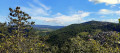
This hike starts at Notre-Dame de la Libération, built in 1945, and offers a varied route combining heritage, panoramic views and forest trails. From the very first steps, you can see the old town of Besançon dominated by its citadel, before opening up to the countryside and the Jura mountains. With its steep paths, rocky ridges and wilder sections, this short circuit is no Sunday stroll, but a real hike just a stone's throw from the city centre.
The Ornans corniches from the Château to Notre-Dame du Mont
 4.86 mi
+325 ft
-322 ft
2h 30
Easy
Departure from Ornans (Doubs)
4.86 mi
+325 ft
-322 ft
2h 30
Easy
Departure from Ornans (Doubs)
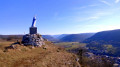
Starting from Ornans Castle overlooking the old town, after a detour to the Fontaine des Vipères, a meeting place for gossips in Courbet's time, you will walk along the superb line of cornices indented with small recesses and dotted with numerous viewpoints overlooking the upper and lower Loue valley. A round trip that will not exhaust all the attractions of this walk.
La Roche du Grand
 3.68 mi
+541 ft
-545 ft
2h 10
Easy
Departure from Ornans (Doubs)
3.68 mi
+541 ft
-545 ft
2h 10
Easy
Departure from Ornans (Doubs)
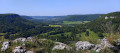
From the site of the former castle of Ornans, which overlooks the old town, the route climbs towards the pastures offering beautiful views of the upper Loue valley and Mont Poupet. The return journey takes you along cool, pleasant forest paths to La Roche du Grand, a viewpoint overlooking the lower Loue valley, then to the Fontaine aux Vipères, where you can still hear the gossip of our Franche-Comté "cancouaines" (local women).
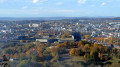
The Fort de l’Ouest des Buis
 5.43 mi
+755 ft
-771 ft
3h 10
Easy
Departure from Besançon (Doubs)
5.43 mi
+755 ft
-771 ft
3h 10
Easy
Departure from Besançon (Doubs)
A walk through the Monts des Buis to explore the moats of the ancient fort, which has the air of a haunted forest. Along the way, there are several viewpoints overlooking the Mercureaux Valley and the Doubs Valley with its hills: the Côte de Planoise, Chaudanne, the Citadel, Bregille and the old feudal keep at Montfaucon.
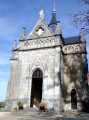
La Jourande
 3.26 mi
+472 ft
-489 ft
1h 55
Easy
Departure from Besançon (Doubs)
3.26 mi
+472 ft
-489 ft
1h 55
Easy
Departure from Besançon (Doubs)
Starting from the small chapel overlooking the citadel and the Besançon circular route, you’ll walk alongside the ruins of the Fort de l’Ouest des Buis to reach the viewpoint over the Mercureaux Valley, where a temple dedicated to the god Mercury once stood. After this stretch through the woodland, you’ll emerge onto the slopes of La Jourande and its views over the Besançon hills and their fortifications.
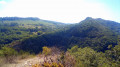
At the end of the world... in Besançon
 6.27 mi
+1,119 ft
-1,135 ft
3h 50
Moderate
Departure from Besançon (Doubs)
6.27 mi
+1,119 ft
-1,135 ft
3h 50
Moderate
Departure from Besançon (Doubs)
From the small chapel overlooking the Citadel and the Besançon circular route, you’ll follow the ditches of the old fort—which looks like a haunted forest—to reach the Bout du Monde and its waterfall. Along the way, an ancient Roman road, several viewpoints over the Mercureaux Valley and the Doubs Valley and its hills: the Côte de Planoise, Chaudanne, the Citadel, Bregille and the old feudal keep of Montfaucon.
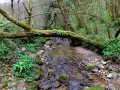
The Mercureaux stream
 4.32 mi
+659 ft
-679 ft
2h 35
Easy
Departure from Besançon (Doubs)
4.32 mi
+659 ft
-679 ft
2h 35
Easy
Departure from Besançon (Doubs)
From the chapel, with views over the city of Besançon and the Citadel, you’ll walk through the hills accompanied by the pleasant scent of boxwood. Then, you’ll follow the narrow gorge of the Mercureaux stream as you climb towards the viewpoint over the Val d’Arguel, where you can imagine the feudal castle that once stood there, sadly now destroyed.
Les Monts des Buis
 5.06 mi
+840 ft
-830 ft
3h 05
Easy
Departure from Besançon (Doubs)
5.06 mi
+840 ft
-830 ft
3h 05
Easy
Departure from Besançon (Doubs)
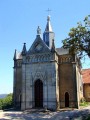
Starting from the small chapel overlooking the Citadel and the Besançon circular route, you will follow a stream through the cool little valley of Les Mercureaux where, it is said, a temple dedicated to the god Mercury stood in ancient times. Then you will return at a more brisk pace along the old Roman road to Fort des Buis, stopping at the many viewpoints over the Doubs valley.
The Boxwood Path
 6.89 mi
+997 ft
-988 ft
4h 00
Moderate
Departure from Besançon (Doubs)
6.89 mi
+997 ft
-988 ft
4h 00
Moderate
Departure from Besançon (Doubs)
A lion, small and large virgins. No! You are not in an arena, despite the Roman past of our Vesontio, but on the heights of the Chapelle des Buis with its splendid views of the Citadel overlooking the city of Besançon. You will then reach the charming little valley of Les Mercureaux via a ridge path winding through the box trees.
The Corniches de Narpent and the Hermitage of Notre-Dame-du-Chêne
 8.52 mi
+1,148 ft
-1,175 ft
4h 55
Moderate
Departure from Ornans (Doubs)
8.52 mi
+1,148 ft
-1,175 ft
4h 55
Moderate
Departure from Ornans (Doubs)
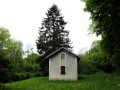
Crossing the Brême via its old bridge, you will descend to its mysterious well, gateway to the underworld or the fairy kingdom, and climb back up more prosaically to the industrious tile factory. The cornices of Narpent offer another kind of magic, with their rocky crevices silhouetted against the sky and the outline of Castel Saint-Denis, ending at the sanctuary where, long ago, a little girl discovered a small statue of the Virgin Mary, placed there and forgotten, in the hollow of an oak tree.
Castle, viewpoint and chasms at Montrond
4.77 mi
+427 ft
-420 ft
2h 35
Easy
Departure from Montrond-le-Château (Doubs)
A varied hike with flat sections, a passage through woods, and two climbs up the Montrond hill. At the top, you can enjoy the vast panorama. At the bottom, you will discover two wells that have been cleared quite recently. Given the size of the cavities visible from the platforms, they can be considered chasms, with a vast underground network that you can learn about on the explanatory panels. You will take part of the Sentier du Triton trail, which will offer you a few riddles. In short, a hike for young and old alike.
The Hill of the Virgin Mary
 2.91 mi
+220 ft
-197 ft
1h 30
Easy
Departure from Malbrans (Doubs)
2.91 mi
+220 ft
-197 ft
1h 30
Easy
Departure from Malbrans (Doubs)
This is a country walk whose great merit is that it is... in the countryside. However, it will take you along beautiful forest paths to the Virgin of Malbrans, offering a magnificent 360° panorama: to the south over the Loue Valley, from Roche de Hautepierre to Mont Poupet, and, lost in the greenery, Castel Saint-Denis and perhaps the summit of Mont Blanc on a clear day. After this short walk, tables await you for a picnic while you enjoy the breathtaking view.
The Chemin de Bellevue and the Belvédère de la Vierge
 5.22 mi
+636 ft
-636 ft
2h 55
Easy
Departure from Malbrans (Doubs)
5.22 mi
+636 ft
-636 ft
2h 55
Easy
Departure from Malbrans (Doubs)
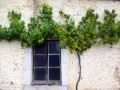
Descend towards the corniches of Scey-en-Varais via the aptly named Chemin de Bellevue, a pretty balcony overlooking the Loue Valley. Then climb back up to the Vierge de Malbrans, which offers a magnificent panorama of the Roche de Hautepierre and Mont Poupet and, lost in the greenery, the Castel Saint-Denis and perhaps the summit of Mont Blanc on a clear day. There are tables where you can picnic while enjoying the breathtaking view. Return through a cool and peaceful forest.
The Scey-Maisières corniches starting from Malbrans
 7.09 mi
+732 ft
-748 ft
3h 55
Moderate
Departure from Malbrans (Doubs)
7.09 mi
+732 ft
-748 ft
3h 55
Moderate
Departure from Malbrans (Doubs)
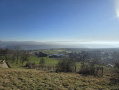
This is a fairly easy circular route through the communes of Malbrans and Scey-Maisières. It begins with a superb view at the Vierge de Malbrans, followed by pretty trails through forests, meadows and woods. It then continues along a beautiful path running along the limestone ledges, offering beautiful views of the villages of Ornans, Maisières, Scey-en-Varais, Cléron and the Loue valley.
The Saut de la Brême
 5.14 mi
+725 ft
-748 ft
3h 00
Easy
Departure from Saules (Doubs)
5.14 mi
+725 ft
-748 ft
3h 00
Easy
Departure from Saules (Doubs)
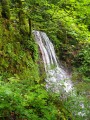
Off the beaten track, discover the little-known Saut de la Brême waterfall and the deep Ravin de Saules by following the stream and hopping from stone to stone. You may get your feet wet, but you will discover a wild world of moss, rocks and freshness. Return via the ruins of the Moulin du Défois mill.
Circular Fontain to La Chapelle des Buis
 4.92 mi
+492 ft
-482 ft
2h 40
Easy
Departure from Fontain (Doubs)
4.92 mi
+492 ft
-482 ft
2h 40
Easy
Departure from Fontain (Doubs)
This easy circular route through woods and meadows will take you from the outskirts of Fontain to Notre Dame de la Libération, its crypt and its magnificent view of Besançon, the first plateau and the first peaks of the Jura. You will also discover the chapel of Notre Dame des Buis and a gentle return via the wild Mercureaux valley.
Notre-Dame du Chêne et tour du plateau de Narpent
4.03 mi
+810 ft
-804 ft
2h 35
Easy
Departure from Scey-Maisières (Doubs)
Au départ de l'Ermitage de Notre-Dame du Chêne, une petite balade facile sans prétention sur les coteaux et le plateau de Narpent. Le retour s'effectue par l'ancienne voie ferrée Ornans-Hôpital du Grosbois, aujourd'hui Voie Verte et un court crochet au passage pour aller voir le Puits de la Brème.
Circular La Roche Bottine from Saules
 5.93 mi
+545 ft
-522 ft
3h 10
Moderate
Departure from Saules (Doubs)
5.93 mi
+545 ft
-522 ft
3h 10
Moderate
Departure from Saules (Doubs)
A lovely walk in the forest with beautiful views of the Loue valley from Ornans to Montgesoye from Roche Lahier and Roche Bottine.
Montrond-le-Château and its diverse landscapes
5.55 mi
+262 ft
-285 ft
2h 45
Easy
Departure from Montrond-le-Château (Doubs)
Two completely different sections:
- the climb to the castle ruins, with a superb view and an orientation table. A short but relatively steep climb.
- the very flat section, through a forest notable for its multitude of sharp limestone pavements and deep sinkholes, which will be enjoyed in all seasons.
A GPS is recommended to follow the route through the forest, but the 2022 update is more detailed.
A short stretch of road, with virtually no traffic.
The Viper Fountain
 6.46 mi
+879 ft
-876 ft
3h 45
Moderate
Departure from Ornans (Doubs)
6.46 mi
+879 ft
-876 ft
3h 45
Moderate
Departure from Ornans (Doubs)
This circuit will allow you to discover the setting of our small Franche-Comté town from three viewpoints: the Belvédère de Notre Dame du Mont, the Château d'Ornans and the Château du Grand, offering sweeping views of the Loue valley. This is a major site on the Courbet Trail, thanks to the famous 1855 painting Le Château d'Ornans, an oil on canvas kept at the Minneapolis Museum. You will discover the Fontaine aux Vipères (Viper Fountain), which still echoes with the gossip of our cancouaines (local women).
La Roche des Pins
 3.42 mi
+469 ft
-495 ft
2h 00
Easy
Departure from Ornans (Doubs)
3.42 mi
+469 ft
-495 ft
2h 00
Easy
Departure from Ornans (Doubs)
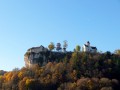
You will climb from the small Franche-Comté town to the Fontaine aux Vipères, a major site on the Courbet Trail thanks to the famous 1855 painting "Le Château d'Ornans", where the gossips of Courbet's time used to gather. Then, from the castle overlooking Ornans, you will return along the cornices with their many viewpoints, via the charming little valley of La Roche des Pins.
From Ravin du Pré Noir to Saut du Chevalier from Ornans
 16.44 mi
+2,733 ft
-2,733 ft
9h 55
16.44 mi
+2,733 ft
-2,733 ft
9h 55
 Very difficult
Departure from Ornans (Doubs)
Very difficult
Departure from Ornans (Doubs)
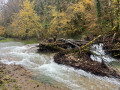
Hike north of Ornans with many points of interest and viewpoints. On the programme: the Château viewpoint, the Puits de la Brême, the Gouille aux Chèvres, the Grotte du Plaisir Fontaine, the Rocher du Tourbillon, the Saut du Chevalier, Notre-Dame du Mont. The hike can end with a visit to the town centre (§ Practical information). This is a very difficult hike due to its length and elevation gain. You need to be in good physical condition, as some sections are reserved for experienced hikers (ladders, passages requiring the use of your hands, etc.) with areas that are more or less wet and rocky. However, the route is varied and the views are magnificent. In autumn, this route offers a festival of colours.
Ascent to Ornans Castle
2.75 mi
+495 ft
-495 ft
1h 40
Easy
Departure from Ornans (Doubs)
A short, easy walk to stretch your legs after a visit to the Courbet Museum.
It is a shortcut variant of the "La roche des pins" route available in Visorando.
The Old Wash House at Arguel
 4.11 mi
+791 ft
-791 ft
2h 35
Easy
Departure from Fontain (Doubs)
4.11 mi
+791 ft
-791 ft
2h 35
Easy
Departure from Fontain (Doubs)
A short walk through the Comté region on the estate of the Lords of Arguel, where their fortified castle once stood on a jagged ridge, and a visit to the old wash house.
The Mercureaux Valley
 5.25 mi
+548 ft
-541 ft
2h 55
Easy
Departure from Fontain (Doubs)
5.25 mi
+548 ft
-541 ft
2h 55
Easy
Departure from Fontain (Doubs)
Fans of alpine races who chant the Sambre et Meuse song as they run, move along. If, on the other hand, you like to make long speeches to one of our good old Montbéliard cows encountered along the way and find them very witty, if you like to trudge along our Cambrousard trails, then enjoy the charm of this peaceful walk along the Mercureaux stream where, it is said, a temple dedicated to the god Mercury stood in ancient times.
Notre-Dame de la Libération and Chapelle des Buis in Fontain
6.95 mi
+784 ft
-781 ft
3h 55
Moderate
Departure from Fontain (Doubs)
This route allows you to discover Notre-Dame de la Libération with its panoramic view, the Chapelle des Buis and Les Mercureaux, all while walking through the woods.
The Champ des Creux fountain
 5.17 mi
+968 ft
-971 ft
3h 15
Easy
Departure from Chalèze (Doubs)
5.17 mi
+968 ft
-971 ft
3h 15
Easy
Departure from Chalèze (Doubs)
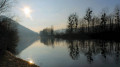
There are plenty of fountains along this forest walk, which will take you scrambling at the foot of high rocks to discover a pretty little valley and forgotten fountains, before returning along a charming circular route of the Doubs.
The Belvédère de Gougnot, the Roche Bottine and the Saut du Chevalier
 8.10 mi
+1,053 ft
-1,037 ft
4h 40
Moderate
Departure from Ornans (Doubs)
8.10 mi
+1,053 ft
-1,037 ft
4h 40
Moderate
Departure from Ornans (Doubs)
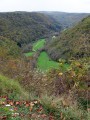
The Loue Valley, an inexhaustible source of hiking opportunities, offers the rugged, wild charm of its rocks, ending more peacefully at the Saut du Chevalier waterfall in the cool Brême Valley, so often painted by Courbet.
La Roche Lahier
 3.77 mi
+610 ft
-610 ft
2h 15
Easy
Departure from Ornans (Doubs)
3.77 mi
+610 ft
-610 ft
2h 15
Easy
Departure from Ornans (Doubs)
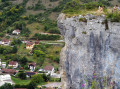
There is a short climb to the Roche Bottine, immortalised by Courbet in his painting "La Vallée de la Loue par temps d'orage" (The Loue Valley in Stormy Weather). Its unusual shape, reminiscent of an old boot standing on the edge of a precipice, gave it its name. This viewpoint offers a 180° panorama of Ornans, the Vierge de la Roche du Mont, and the upper and lower reaches of the Loue Valley. Along the way, you will discover the Roche Lahier viewpoint, a natural viewpoint overlooking the upper reaches of the Loue Valley towards Montgesoye.
La Roche Bottine
 3.63 mi
+643 ft
-620 ft
2h 15
Moderate
Departure from Ornans (Doubs)
3.63 mi
+643 ft
-620 ft
2h 15
Moderate
Departure from Ornans (Doubs)
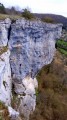
There is a short climb to Roche Bottine, which was also immortalised by Courbet in his painting "La Vallée de la Loue par temps d'orage, vers 1849" (The Loue Valley in Stormy Weather, circa 1849). Its unusual shape inspired its name. Along the way, you will discover the Roche Lahier viewpoint overlooking the upper Loue Valley towards Montgesoye.
The Vineyards of Loray
 6.30 mi
+922 ft
-899 ft
3h 40
Moderate
Departure from Ornans (Doubs)
6.30 mi
+922 ft
-899 ft
3h 40
Moderate
Departure from Ornans (Doubs)
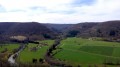
You will climb a picturesque path overlooking the Loue to the Roche Lahier viewpoint above the Upper Loue Valley. Then on to the vineyards of Loray and its remains of terraced crops, before descending through the fir forests of Onchaud to the Roche Bottine viewpoint on the cliffs of Ornans.
La Roche Thiébaut, La Facle and Les Blocs Erratiques
 6.18 mi
+1,030 ft
-1,024 ft
3h 45
Easy
Departure from Ornans (Doubs)
6.18 mi
+1,030 ft
-1,024 ft
3h 45
Easy
Departure from Ornans (Doubs)
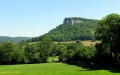
Three viewpoints allow you to discover the Ornans mountains from the left bank of the Loue, Mont d'Ornans, Roche Thiébaut and Grand Barmaud, before returning to the valley by winding your way through La Facle, a narrow and picturesque fault that cuts into the cliff, and ending at the erratic boulders, geological curiosities, masses of stone weighing over 130 tonnes, transported by glaciers 600,000 years ago.
The Saut de Bonneille
 10.45 mi
+1,273 ft
-1,260 ft
5h 55
Moderate
Departure from Ornans (Doubs)
10.45 mi
+1,273 ft
-1,260 ft
5h 55
Moderate
Departure from Ornans (Doubs)
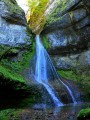
At the end of a wild valley, you will discover the Saut de Bonneille, located less than a kilometre from Courbet's father's farm in Flagey. This exceptional site caught the painter's eye in 1875. The tufa, a deposit of limestone, forms a conical mass surrounded by a plume of foam during periods of high water. Return via the Chassagne plateau and the Monts d'Ornans viewpoint.
The Roches d’Ornans
 3.10 mi
+774 ft
-755 ft
2h 05
Easy
Departure from Ornans (Doubs)
3.10 mi
+774 ft
-755 ft
2h 05
Easy
Departure from Ornans (Doubs)
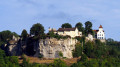
This short but challenging walk will take you past the white rocks of the cliffs framing the ‘Petite Venise Comtoise’, offering four vantage points over the Loue Valley. It will lead you off the beaten track along the small, rugged cliffs of Mont d’Ully, helping to sharpen your sense of direction.
Mont d'Ully
 4.79 mi
+823 ft
-807 ft
2h 55
Easy
Departure from Ornans (Doubs)
4.79 mi
+823 ft
-807 ft
2h 55
Easy
Departure from Ornans (Doubs)
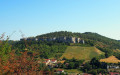
Discover Ornans, a small town in Franche-Comté with plenty of character, via three viewpoints (Roche Fournièche, Rocher d'Ully and Rocher du Châtelet). Nicknamed "the little Venice of Franche-Comté", it will charm you with its houses on the Loue river and its bridges, which were a source of inspiration for the great Gustave Courbet.
The Ully Cliffs
 3.73 mi
+807 ft
-807 ft
2h 25
Moderate
Departure from Ornans (Doubs)
3.73 mi
+807 ft
-807 ft
2h 25
Moderate
Departure from Ornans (Doubs)
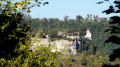
Starting from the Ornans cemetery, this walk climbs rapidly up to the heights overlooking the Loue valley. The route takes in several viewpoints overlooking the white rocks of the cliffs framing the ‘Little Venice of the Comté’. It will take you off the beaten track along the small, rugged cliffs of Mont d’Ully, honing your sense of direction as you head towards the Lachenaud ravine to reach the meadows before descending through the Châtelet woods. A beautiful and varied circular route, combining panoramic views, cliffs, woodland and the heritage of Ornans.
Les Roches Fournièche, d'Ully and du Châtelet
 3.95 mi
+705 ft
-702 ft
2h 25
Easy
Departure from Ornans (Doubs)
3.95 mi
+705 ft
-702 ft
2h 25
Easy
Departure from Ornans (Doubs)
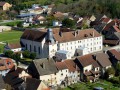
This route will allow you to discover the setting of our small Franche-Comté town from three viewpoints: Roche Fournièche, Rocher d'Ully and Châtelet.
Notre-Dame du Mont and the old town of Ornans
 4.14 mi
+433 ft
-436 ft
2h 15
Easy
Departure from Ornans (Doubs)
4.14 mi
+433 ft
-436 ft
2h 15
Easy
Departure from Ornans (Doubs)
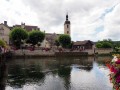
From the former Visitandines convent, you will climb up to the unmissable site of the Vierge de la Roche du Mont and its view over the Loue valley and the village of Ornans. Then, following the Mambouc stream, you will return to the old town to walk along the river and its beautiful houses at the water's edge.
The Peusse and Baume Bourla waterfalls
 8.99 mi
+1,404 ft
-1,394 ft
5h 20
Moderate
Departure from Ornans (Doubs)
8.99 mi
+1,404 ft
-1,394 ft
5h 20
Moderate
Departure from Ornans (Doubs)
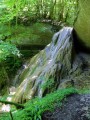
Set off to explore the mountains of Franche-Comté, accompanied by the murmur of our cool streams which, if you know how to listen, will tell you many forgotten stories. Discover the vegetation petrified by our limestone waters and the coolness of secret caves nestled in the wild greenery.
Fort de Chaudanne in Besançon
4.17 mi
+712 ft
-715 ft
2h 30
Moderate
Departure from Besançon (Doubs)
Hike to discover Fort de Chaudanne with its panoramic view of Besançon and the citadel and the small paths surrounding the site.
The Beautiful Lady and the Four Guardians of Besançon
 9.15 mi
+1,644 ft
-1,631 ft
5h 40
Moderate
Departure from Besançon (Doubs)
9.15 mi
+1,644 ft
-1,631 ft
5h 40
Moderate
Departure from Besançon (Doubs)
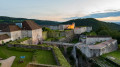
The beautiful Citadel, flanked by its four guardians – the forts of Chaudanne, Griffon, Beauregard and Bregille – still watches over the historic heart of Besançon and its inhabitants.
Discover them on this superb walk. Please note: you’ll be visiting forts, which means climbing to higher ground – so there’s a significant elevation gain – but what a reward: the views from up there are simply heavenly.
Route des Trois Portes in Chaleze
5.86 mi
+840 ft
-823 ft
3h 25
Moderate
Departure from Chalèze (Doubs)
Hike in the peaceful woods on the outskirts of Besançon.
The Fortifications of Besançon
 8.85 mi
+1,854 ft
-1,850 ft
5h 40
Moderate
Departure from Besançon (Doubs)
8.85 mi
+1,854 ft
-1,850 ft
5h 40
Moderate
Departure from Besançon (Doubs)
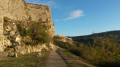
Just a stone's throw from Besançon city centre, this hike will allow you to discover the capital of Franche-Comté from several different viewpoints. You will also discover the Citadel built by Vauban and several other forts and architectural features that made up the city's fortification system.
The Great Desert
 3.22 mi
+312 ft
-341 ft
1h 45
Easy
Departure from Besançon (Doubs)
3.22 mi
+312 ft
-341 ft
1h 45
Easy
Departure from Besançon (Doubs)
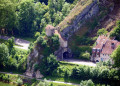
Built in the 19th century in the heart of nature, Fort de Brégille overlooks Besançon and offers one of the most beautiful panoramic views of the old town topped by its citadel and, in the background, the Besançon hills of Chaudanne and Rosemont. After a short detour to the Grand Désert, a vast expanse of scree, you enter the Monts de Bregille forest for a visit to the Renard cave and the Clémentigney viewpoint overlooking the upper Doubs valley and the ruins of the feudal castle of Montfaucon.
The Bregille Mountains
 4.12 mi
+679 ft
-676 ft
2h 30
Easy
Departure from Chalezeule (Doubs)
4.12 mi
+679 ft
-676 ft
2h 30
Easy
Departure from Chalezeule (Doubs)
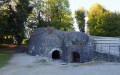
A beautiful walk for city dwellers seeking nature and sweeping views of the capital of Franche-Comté and its hills, just a stone's throw from the city. It offers superb views of our Citadel and the feudal castle of Montfaucon. Then, just a stone's throw from the noisy city, you will find yourself on quiet paths, accompanied by the scent of boxwood.
The Fox’s Cave
 4.80 mi
+892 ft
-902 ft
3h 00
Moderate
Departure from Chalezeule (Doubs)
4.80 mi
+892 ft
-902 ft
3h 00
Moderate
Departure from Chalezeule (Doubs)
Lime production in Chalezeule is a long-standing tradition, dating back to the 12th century; it was the village’s main economic activity, and its name, Calisola, was derived from the word for lime. After exploring the lime kilns, this walk offers superb views of the feudal castle of Montfaucon, the Doubs valley and, following a short detour to the Grand Désert – a vast expanse of scree – our Citadel and the old town nestled within its circular shape. Then, after a fascinating stroll through the fort’s moats, you’ll venture, just a stone’s throw from the bustling town, onto quiet paths, accompanied by the scent of budding boxwood, for a visit to the Grotte du Renard.
La Facle, Le Barmaud, La Reculée de Valbois and Castel Saint-Denis
 6.62 mi
+764 ft
-751 ft
3h 45
Moderate
Departure from Scey-Maisières (Doubs)
6.62 mi
+764 ft
-751 ft
3h 45
Moderate
Departure from Scey-Maisières (Doubs)
You will discover the superb white rock cornices at the start of the upper Loue Valley, balconies overlooking the wild nature of the Valbois ravine, climbing boldly at the foot of the cliffs and crossing them via a narrow rocky pass, La Facle, which will lead you to the Barmaud viewpoint over the Brème valley and Notre-Dame du Chêne and the thousand-year-old keep of Castel Saint-Denis, still proudly perched on its rocky spur.
La Roche d'Or
 7.22 mi
+1,309 ft
-1,319 ft
4h 30
Moderate
Departure from Besançon (Doubs)
7.22 mi
+1,309 ft
-1,319 ft
4h 30
Moderate
Departure from Besançon (Doubs)
An urban hike to discover the hills of Besançon. Natural factors such as soil, climate and altitude, combined with the action of water, have shaped the hills of Chaudanne and Rosemont, which are remarkable natural areas. Let yourself be seduced by the beauty of unspoilt nature, proving that our provincial Besançon has managed to remain a city in the countryside.
The Chaudanne trails
 3.85 mi
+876 ft
-856 ft
2h 30
Easy
Departure from Besançon (Doubs)
3.85 mi
+876 ft
-856 ft
2h 30
Easy
Departure from Besançon (Doubs)
A short climb up one of Besançon's seven hills: Chaudanne, with its unspoilt natural beauty, its dry grasslands shaped by nature and man, its fort and its views of the Citadel, the old town and the southern Doubs valley.
Beure and the Chapelle des Buis in Besançon
7.50 mi
+945 ft
-928 ft
4h 15
Moderate
Departure from Besançon (Doubs)
Hike to discover several viewpoints on the outskirts of Besançon.
Fort de Chaudanne
 2.53 mi
+581 ft
-574 ft
1h 40
Easy
Departure from Besançon (Doubs)
2.53 mi
+581 ft
-574 ft
1h 40
Easy
Departure from Besançon (Doubs)
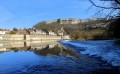
From the countryside to the city: crossing the dry grasslands, shaped by human hands for centuries, you’ll climb up to Fort de Chaudanne and its views over the old town, crowned by its protective citadel. You’ll descend the wooded hillside along a lovely path to follow the peaceful river, stopping for a moment by the bubbling waters of the old dam at the foot of the ramparts.
The Arcier springs with return via the heights of Chalèze
4.32 mi
+768 ft
-748 ft
2h 40
Moderate
Departure from Vaire-Arcier (Doubs)
Near Besançon, discover the beautiful hamlet of Arcier and its water sources, which contribute significantly to the water supply of Besançon and the valley overlooking them, and return via the heights of Chalèze and La Canaie via the Côte de Joux.
The Croc Chapel
 3.76 mi
+184 ft
-187 ft
1h 55
Easy
Departure from Scey-Maisières (Doubs)
3.76 mi
+184 ft
-187 ft
1h 55
Easy
Departure from Scey-Maisières (Doubs)
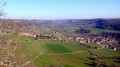
A short forest walk to discover the Rocher de Colonne, a superb viewpoint over the Loue valley. The first viewpoint is over Cléron and its castle. The second overlooks Scey-en-Varais, topped by Castel Saint-Denis, the start of the upper Loue valley and its cliffs, the Valbois ravine and the luminous Hautepierre rock. You will return via the Chapelle du Croc chapel and its old house lost in the woods.
La Chapelle des Buis
8.37 mi
+1,293 ft
-1,293 ft
5h 00
Moderate
Departure from Besançon (Doubs)
Circular walk around Besançon. A mix of roads, tracks and steep paths. Take care in wet weather, as the paths can be slippery. Significant elevation gain at the start of the walk and very flat towards the end.
Fort Beauregard and Fort Bregille
 5.92 mi
+1,171 ft
-1,178 ft
3h 45
Moderate
Departure from Besançon (Doubs)
5.92 mi
+1,171 ft
-1,178 ft
3h 45
Moderate
Departure from Besançon (Doubs)
The forts of Beauregard and Bregille offer a special walk for residents of Besançon seeking greenery and sweeping views of the capital of Franche-Comté and its hills. They offer superb views of our Citadel. Then, just a stone's throw from the bustling city, you will find yourself on quiet paths, accompanied by the scent of boxwood.
Besançon, its citadel and its circular loop
 3.42 mi
+348 ft
-358 ft
1h 55
Easy
Departure from Besançon (Doubs)
3.42 mi
+348 ft
-358 ft
1h 55
Easy
Departure from Besançon (Doubs)
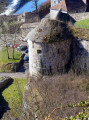
The citadel, a masterpiece by Vauban, overlooks the old town, which is enclosed in a circular bend in the river (the Boucle), from a height of over 100 metres. Its ramparts offer spectacular panoramic views. You will climb up along the ramparts and casemates, then descend the other side towards the entrance to the city, the Porte Rivotte and the toll house. Then, walking along the riverbank, you will discover the towers and bastions that protect the city, ending at the Gare d'Eau, the old goods port.
Fort de Bregille and Les Prés de Vaux in Besançon
 4.48 mi
+797 ft
-768 ft
2h 45
Moderate
Departure from Besançon (Doubs)
4.48 mi
+797 ft
-768 ft
2h 45
Moderate
Departure from Besançon (Doubs)
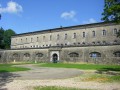
Hike in the Besançon area, allowing you to climb up to Fort de Bregille with a superb view of the city and the citadel.
Arcier Springs Circular Trail
 1.49 mi
+558 ft
-535 ft
1h 10
Easy
Departure from Vaire-Arcier (Doubs)
1.49 mi
+558 ft
-535 ft
1h 10
Easy
Departure from Vaire-Arcier (Doubs)
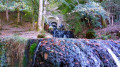
A short but challenging walk to discover the Arcier springs that have supplied the city of Besançon since the distant Gallo-Roman era. A gentle warm-up, accompanied by the music of gushing water. Then a lovely climb up the slopes of the Grand Bois, still accompanied by the murmur of the water.
The Arcier Springs
 5.41 mi
+1,234 ft
-1,240 ft
3h 35
Moderate
Departure from Vaire-Arcier (Doubs)
5.41 mi
+1,234 ft
-1,240 ft
3h 35
Moderate
Departure from Vaire-Arcier (Doubs)
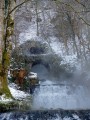
At the gates of Besançon, the waters of the Arcier springs, naturally filtered by the Saône marshes, have supplied the city since the distant Gallo-Roman era. From their green and rocky settings, the babbling waters, gushing from all sides, will restore your bucolic spirit. You will then climb, at a more military pace, to the ruins of the Épesses battery, built in 1878.
The hunt for Besançon’s twenty fountains
 5.70 mi
+56 ft
-56 ft
2h 40
Easy
Departure from Besançon (Doubs)
5.70 mi
+56 ft
-56 ft
2h 40
Easy
Departure from Besançon (Doubs)
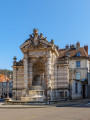
There are plenty of fountains in Besançon! Some more imposing than others, some more interesting, some steeped in history.
Rather than admiring one by chance or even walking past it with complete indifference, why not go on a hunt for the 20 fountains?
An urban and cultural stroll that will help you discover Besançon in a fun way.
The Croc Chapel and the Rocher de Colonne
 2.56 mi
+322 ft
-335 ft
1h 25
Easy
Departure from Scey-Maisières (Doubs)
2.56 mi
+322 ft
-335 ft
1h 25
Easy
Departure from Scey-Maisières (Doubs)
A short forest walk starting from the Bois des Lavanches, between Malbrans and Cléron, offering several beautiful views over the Loue valley. The route takes you past the Chapelle du Croc, the Rocher de Colonne and Cléron Castle, against a backdrop of the valley’s cliffs and Castel Saint-Denis. The route alternates between stony paths, woodland tracks, sharp limestone pavements and small roads.
The Rocher de Colonne
 3.92 mi
+272 ft
-253 ft
2h 00
Easy
Departure from Scey-Maisières (Doubs)
3.92 mi
+272 ft
-253 ft
2h 00
Easy
Departure from Scey-Maisières (Doubs)
Dominating Cléron with its massive limestone cliffs, the Rocher de Colonne is a beautiful landscape, characteristic of the upper Loue valley. From its summit, you can see the Château de Cléron, the Castel Saint-Denis, the Ravin de Valbois valley and the start of the upper Loue valley lined with its corniches.
The Miroir de Scey and the Rocher de Colonne
 3.92 mi
+712 ft
-712 ft
2h 25
Easy
Departure from Scey-Maisières (Doubs)
3.92 mi
+712 ft
-712 ft
2h 25
Easy
Departure from Scey-Maisières (Doubs)
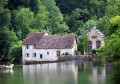
A 11th-century keep is reflected in the emerald waters of the Loue; a rock dominates the valley from its sunlit ledges, offering a splendid vantage point over the wild scenery of the Valbois ravine and the tranquil Loue valley; old manor houses from a bygone era at the bend of a narrow lane; a rest in the cool of a church under the gaze of colourful wooden saints.
Sources d'Arcier and Vaire-le-Grand
 8.54 mi
+794 ft
-794 ft
4h 35
Moderate
Departure from Chalèze (Doubs)
8.54 mi
+794 ft
-794 ft
4h 35
Moderate
Departure from Chalèze (Doubs)
Hike starting in the village, then through the Chalèze woods to reach the Arcier springs. The return journey is along the Doubs river via the cycle path.
The Source du Gour
 5.51 mi
+289 ft
-289 ft
2h 45
Moderate
Departure from Bouclans (Doubs)
5.51 mi
+289 ft
-289 ft
2h 45
Moderate
Departure from Bouclans (Doubs)
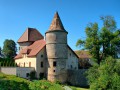
A peaceful walk in our Comtois countryside to discover the riches of two villages on the first step of the plateau: the remains of an ancient castle that allow us to dream of the lost beauty of our once fortified villages and the often overlooked treasures of their churches.
Along the streams, from the Peusse to the Baume Bourla
 5.36 mi
+945 ft
-938 ft
3h 15
Easy
Departure from Ornans (Doubs)
5.36 mi
+945 ft
-938 ft
3h 15
Easy
Departure from Ornans (Doubs)
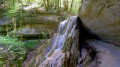
Accompanied by the murmur of our cool streams, which, if you know how to listen to them, will tell you many forgotten stories, discover the vegetation petrified by our limestone waters and the coolness of the secret caves nestled in the greenery as you climb along a small, wild ravine.
The Bois de la Cototte in Roche-lez-Beaupré
 5.55 mi
+725 ft
-705 ft
3h 10
Moderate
Departure from Roche-lez-Beaupré (Doubs)
5.55 mi
+725 ft
-705 ft
3h 10
Moderate
Departure from Roche-lez-Beaupré (Doubs)
A short walk, almost entirely through the forest, very pleasant, very close to Besançon but offering a complete change of scenery and plenty of variety.
Peusse waterfalls in Ornans
 3.84 mi
+617 ft
-614 ft
2h 20
Easy
Departure from Ornans (Doubs)
3.84 mi
+617 ft
-614 ft
2h 20
Easy
Departure from Ornans (Doubs)
Hike in the woods with a visit to the Peusse waterfalls in Ornans.
La Roche Blanche
 9.37 mi
+1,138 ft
-1,142 ft
5h 20
Moderate
Departure from Vaire-Arcier (Doubs)
9.37 mi
+1,138 ft
-1,142 ft
5h 20
Moderate
Departure from Vaire-Arcier (Doubs)
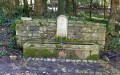
From the sumptuous Château de Vaire-le-Grand, the whim and ruin of Jean-Antoine Boisot, son of a close friend of King Louis XIV, you will climb towards La Roche Blanche. This is an unsecured viewpoint (caution!) over the Doubs valley. You will be taken by surprise by the rustic fountain of Les Tilleuls and descend via the beautiful sunken path lined with wild garlic at La Vacherie. You will then return along the riverbank, in the shade of the Rochers du Château Loriot, to discover the old paper mill.
The Croix des Échaulles
 4.70 mi
+738 ft
-738 ft
2h 50
Easy
Departure from Épeugney (Doubs)
4.70 mi
+738 ft
-738 ft
2h 50
Easy
Departure from Épeugney (Doubs)
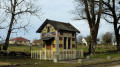
From Épeugney, you will climb along forest paths towards the Belvédère de Rurey at the head of the upper Loue valley with its white cliffs, and the keep of Castel Saint-Denis, the thousand-year-old sentinel of the Reculée de Valbois. You’ll descend into the Val de Cademène with its unobstructed views of the valley. And, after a stretch through somewhat wild woodland, the ‘obstacle course’ awaits you: the climb to the Croix des Échaulles. Then a peaceful return to the village and its beautiful fountains.
Bois sur Roche
 8.16 mi
+1,106 ft
-1,119 ft
4h 45
Moderate
Departure from Montgesoye (Doubs)
8.16 mi
+1,106 ft
-1,119 ft
4h 45
Moderate
Departure from Montgesoye (Doubs)
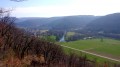
A long forest walk in the cool Bois sur Roches with its beautiful ledges and views of La Thuyère and La Verdottte, returning via the sunny Pont de Beuque valley.
Castel Saint-Denis
 4.08 mi
+794 ft
-787 ft
2h 35
Easy
Departure from Cléron (Doubs)
4.08 mi
+794 ft
-787 ft
2h 35
Easy
Departure from Cléron (Doubs)
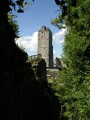
A keep dating back to the year 1000 still stands proudly on its rocky outcrop, with superb cornice walls carved out of the rock, overlooking the wild nature of the Valbois ravine. In just four short kilometres, you will be treated to a series of breathtaking landscapes.
The Norvaux and Valbois valleys and Castel Saint-Denis
 10.76 mi
+1,168 ft
-1,168 ft
6h 00
Moderate
Departure from Cléron (Doubs)
10.76 mi
+1,168 ft
-1,168 ft
6h 00
Moderate
Departure from Cléron (Doubs)
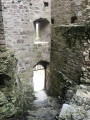
From Cléron Castle, through a beautiful, cool forest alternating between fir and deciduous trees, ideal for a hot summer's day, you will visit the gentle monk Toum Tatre, a monolith resembling a tonsured Capuchin monk, watching piously over the Norvaux valley from the top of his cliff. Walking along the ledges of the twin valley of Valbois, you will return via Castel Saint-Denis, overlooking the valley from its rocky spur.
The Tacot Trail
 3.77 mi
+413 ft
-394 ft
2h 05
Easy
Departure from Cléron (Doubs)
3.77 mi
+413 ft
-394 ft
2h 05
Easy
Departure from Cléron (Doubs)
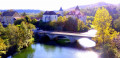
You will take the old Tacot railway line, a small, narrow-gauge railway that climbed up to Pontarlier, to discover the Val de Cléron and its castle, surrounded by the white cliffs at the start of the Haute Vallée de la Loue.
Toum Tatre, the Monk's Rock
 6.72 mi
+705 ft
-702 ft
3h 40
Moderate
Departure from Cléron (Doubs)
6.72 mi
+705 ft
-702 ft
3h 40
Moderate
Departure from Cléron (Doubs)
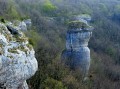
From Cléron, through a beautiful, cool forest alternating between fir and deciduous trees, ideal for a hot summer's day, you will visit the gentle monk Toum Tatre, a monolith resembling a tonsured Capuchin monk, watching piously over the Norvaux valley from the top of his cliff. You will return through the Plain Mont forest to two unsecured viewpoints, one overlooking Castel Saint-Denis and the other overlooking Cléron and its castle.
La Roche du Taureau
 3.91 mi
+564 ft
-531 ft
2h 15
Easy
Departure from Cléron (Doubs)
3.91 mi
+564 ft
-531 ft
2h 15
Easy
Departure from Cléron (Doubs)
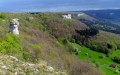
Six petits kilomètres pour quatre points de vue sur le Val de Cléron, la reculée de Norvaux et le capucin de pierre Tountâtrou où nos anciens Comtois célébraient leurs dieux au sein même de la nature, au pied de ce colosse de pierre.