


Refine your search for walks in Fontain
Fontain walks


 Notre-Dame de la Libération and Chapelle des Buis in Fontain
 Visorando Member
 6.95 mi
 +784 ft
 -781 ft
 3h 55
3h 55
 Moderate
 Departure from Fontain (Doubs)
This route allows you to discover Notre-Dame de la Libération with its panoramic view, the Chapelle des Buis and Les Mercureaux, all while walking through the woods.
The Old Wash House at Arguel
 4.11 mi
+791 ft
-791 ft
2h 35
4.11 mi
+791 ft
-791 ft
2h 35
 Easy
Departure from Fontain (Doubs)
Easy
Departure from Fontain (Doubs)
A short walk through the Comté region on the estate of the Lords of Arguel, where their fortified castle once stood on a jagged ridge, and a visit to the old wash house.
The Mercureaux Valley
 5.25 mi
+548 ft
-541 ft
2h 55
Easy
Departure from Fontain (Doubs)
5.25 mi
+548 ft
-541 ft
2h 55
Easy
Departure from Fontain (Doubs)
Fans of alpine races who chant the Sambre et Meuse song as they run, move along. If, on the other hand, you like to make long speeches to one of our good old Montbéliard cows encountered along the way and find them very witty, if you like to trudge along our Cambrousard trails, then enjoy the charm of this peaceful walk along the Mercureaux stream where, it is said, a temple dedicated to the god Mercury stood in ancient times.
La Pisseur, the Bout du Monde waterfall and the Celtic Way
 2.02 mi
+705 ft
-709 ft
1h 30
Easy
Departure from Beure (Doubs)
2.02 mi
+705 ft
-709 ft
1h 30
Easy
Departure from Beure (Doubs)
A short hike on the outskirts of Besançon, but rich in the small gorges of the Pisseur, the Bout du Monde waterfall, an ancient Roman road and a superb viewpoint over the Doubs valley. Please note! Despite its short length, it is challenging and requires sure-footedness.
La Baume Saint-Martin
 3.13 mi
+892 ft
-915 ft
2h 15
Moderate
Departure from Beure (Doubs)
3.13 mi
+892 ft
-915 ft
2h 15
Moderate
Departure from Beure (Doubs)
A short, challenging walk, just a stone’s throw from Besançon, to warm up for longer hikes. It will take you to the viewpoints at Les Mercureaux, La Côte de Beure, La Baume Saint-Martin, the Celtic route of the Chemin du Sert, the ‘Cascade du Bout du Monde’ and the ‘Pisseur’ waterfalls, as well as other vantage points overlooking the Doubs valley via steep paths.
Circular Fontain to La Chapelle des Buis
 4.92 mi
+492 ft
-482 ft
2h 40
Easy
Departure from Fontain (Doubs)
4.92 mi
+492 ft
-482 ft
2h 40
Easy
Departure from Fontain (Doubs)
This easy circular route through woods and meadows will take you from the outskirts of Fontain to Notre Dame de la Libération, its crypt and its magnificent view of Besançon, the first plateau and the first peaks of the Jura. You will also discover the chapel of Notre Dame des Buis and a gentle return via the wild Mercureaux valley.
The Bout du Monde waterfall in Beure
 1.26 mi
+531 ft
-535 ft
1h 05
Easy
Departure from Beure (Doubs)
1.26 mi
+531 ft
-535 ft
1h 05
Easy
Departure from Beure (Doubs)
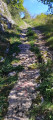
A lovely short but varied loop. After the Cascade du Bout du Monde waterfall and a detour to the old wash house, the trail climbs steeply through rocky, green surroundings to the Cascade de la Pisseur waterfall. You can still see traces of the old iron-wheeled carts here, before enjoying superb views of the mountains and the Doubs valley.
The belvederes at the end of the world
 6.62 mi
+1,467 ft
-1,480 ft
4h 20
Moderate
Departure from Beure (Doubs)
6.62 mi
+1,467 ft
-1,480 ft
4h 20
Moderate
Departure from Beure (Doubs)
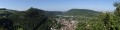
A Roman and medieval path leads from the Bout du Monde to the heights of the Doubs and Mercureaux valleys, allowing you to pass discreetly under the ruins of the castle, stronghold of the infamous Sir Jacques d'Arguel, the racketeer, and quickly placing you under the protection of our polychrome saints of Franche-Comté.
The Rock of Valmy
 5.30 mi
+896 ft
-892 ft
3h 15
Easy
Departure from Arguel (Doubs)
5.30 mi
+896 ft
-892 ft
3h 15
Easy
Departure from Arguel (Doubs)
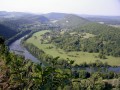
On 26 September 1943, between 7.36am and 8.24am, 16 members of the Guy Mocquet and Marius Vallet resistance groups were shot at the citadel. Later, the German officer in charge of the operation reported the end of the shootings in these terms: " None of them agreed to be blindfolded. They all died bravely, shouting 'Long live France!'" Hike in tribute to the memorial stone located at one of the most beautiful viewpoints in the Besançon area.
From waterfalls to castles, starting from Arguel
 5.89 mi
+1,440 ft
-1,440 ft
4h 00
Moderate
Departure from Arguel (Doubs)
5.89 mi
+1,440 ft
-1,440 ft
4h 00
Moderate
Departure from Arguel (Doubs)
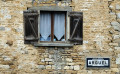
From the village of Arguel, dominated by a jagged rocky outcrop, you will descend into the valley, following the small gorges of La Pisseur, its three waterfalls and its miniature ravine. You will pass beneath the Bout du Monde waterfall and along an ancient Roman road and a ledge path to discover a superb viewpoint over the Doubs valley. You will climb up the sunny Mercureaux valley towards Saint-Pierre, not to Paradise, but towards Fort Rolland and the ruins of the feudal castle.
Mont d’Arguel
 2.49 mi
+656 ft
-650 ft
1h 45
Easy
Departure from Arguel (Doubs)
2.49 mi
+656 ft
-650 ft
1h 45
Easy
Departure from Arguel (Doubs)
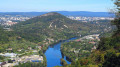
Set off to explore the viewpoints overlooking the Doubs valley. The route follows paths that are at times steep, leading to the ruins of the old Arguel Castle, several spectacular promontories and the Chère viewpoint. Amidst cliffs, forests, pastures and traces of the past, the route offers a wonderful variety of landscapes. Sections along the cliff edge require caution, but the 180° panoramic views more than make up for the effort of the climb.
The Côte d'Arguel
 4.95 mi
+1,053 ft
-1,047 ft
3h 10
Moderate
Departure from Arguel (Doubs)
4.95 mi
+1,053 ft
-1,047 ft
3h 10
Moderate
Departure from Arguel (Doubs)
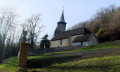
Overlooking the village of Arguel, perched on their rocky outcrop, stand the ruins of the feudal castle, built in the early12th century, once again razed to the ground by the royal armies in 1668 during the conquest of Franche-Comté. This forest trail, with its charmingly steep paths, will take you past old wash houses, the Pisseur waterfall, a beautiful statue of Saint Vernier and lovely clearings overlooking the valley, where you might just spot a few chamois.
Arguel Castle and Pugey Fort
 5.23 mi
+971 ft
-971 ft
3h 15
Moderate
Departure from Arguel (Doubs)
5.23 mi
+971 ft
-971 ft
3h 15
Moderate
Departure from Arguel (Doubs)
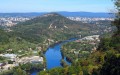
Overlooking the village of Arguel, perched on their rocky outcrop, stand the ruins of the feudal castle, built in the early 12th century and, once again, razed to the ground by the royal armies in 1668 during the conquest of Franche-Comté. This route, winding through pastures and beautiful forests, offers superb views of the valley, Mont Poupet, the ruins of Pugey Fort, Malpertuis Cave and, if you manage to keep quiet, you may spot a few deer or chamois.
The Chère promontory
 2.47 mi
+630 ft
-633 ft
1h 40
Easy
Departure from Arguel (Doubs)
2.47 mi
+630 ft
-633 ft
1h 40
Easy
Departure from Arguel (Doubs)
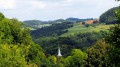
Overlooking the village of Arguel, the ruins of a feudal fortress stand on a rocky outcrop. This short walk through pastures and beautiful forests offers superb views of the valley and, if you are discreet, you may spot a few deer or chamois.
The Château d’Arguel viewpoint
 3.40 mi
+735 ft
-738 ft
2h 10
Easy
Departure from Arguel (Doubs)
3.40 mi
+735 ft
-738 ft
2h 10
Easy
Departure from Arguel (Doubs)
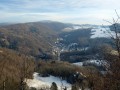
Overlooking the village of Arguel, ruins stand perched on a rocky outcrop: the remains of the feudal fortress (the foundations of a surrounding wall and the postern gate), built in the early 12th century and, once again, razed by the royal armies in 1668, during the conquest of Franche-Comté. However, this route, which strikes a balance between pastureland and beautiful woodland, offers superb views of the valley, where, if you know how to keep quiet, you may spot a few chamois.
The Mercureaux viewpoint
 3.72 mi
+1,119 ft
-1,122 ft
2h 40
Moderate
Departure from Beure (Doubs)
3.72 mi
+1,119 ft
-1,122 ft
2h 40
Moderate
Departure from Beure (Doubs)
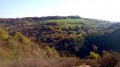
A short, challenging walk for city-dwellers in a hurry who want to explore the wild corners of our Besançon mountains. Six kilometres to discover the Bois de Peu, the Mercureaux viewpoint, the Cascade du Bout du Monde, the ancient Roman road and superb cliffs overlooking the Doubs valley.
The Bois de Peu
 3.44 mi
+922 ft
-915 ft
2h 25
Easy
Departure from Beure (Doubs)
3.44 mi
+922 ft
-915 ft
2h 25
Easy
Departure from Beure (Doubs)
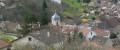
A short walk on the outskirts of Besançon, but one that offers the Cascade du Bout du Monde, an ancient Roman road, superb views over the Doubs valley, the Bois de Peu and its wooded valleys with their slender trees and wild, rugged rock formations that cut into the cliffs. Not bad at all!
La Baume Martin and the Gorges de la Pisseur
 1.78 mi
+669 ft
-682 ft
1h 25
Easy
Departure from Beure (Doubs)
1.78 mi
+669 ft
-682 ft
1h 25
Easy
Departure from Beure (Doubs)
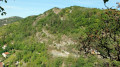
A short, challenging hike for busy city dwellers who want to explore the wild corners of our mountains around Besançon. However, it is rich in the Baume Martin (from the Gaulish "balma", meaning a rock shelter), the superb cornices of the Bois de Peu overlooking the Doubs valley, the Gorges and waterfalls of the Pisseur and the Cascade du Bout du Monde.
The Côte Blanche
 1.94 mi
+745 ft
-741 ft
1h 30
Moderate
Departure from Beure (Doubs)
1.94 mi
+745 ft
-741 ft
1h 30
Moderate
Departure from Beure (Doubs)
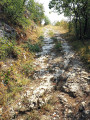
This short walk allows you to discover the most beautiful natural sites in Beure. Starting from the Côte Blanche, the route follows ancient paths with ruts carved into the rock, runs along the cliffs and offers superb panoramic views over the Doubs valley. It leads to the Baume Martin, the Bout du Monde waterfall, and then into the heart of the old village with its wash house and Saint-Hippolyte church. A varied, unspoilt and heritage-rich route.
The End of the World
 6.98 mi
+1,155 ft
-1,135 ft
4h 15
Moderate
Departure from Beure (Doubs)
6.98 mi
+1,155 ft
-1,135 ft
4h 15
Moderate
Departure from Beure (Doubs)
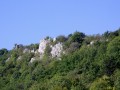
Twelve short kilometres to the end of the world: a great destination that won't tire you out. You will discover the old village of Beure, a waterfall, an old wash house, a charming little church and its cemetery, and several viewpoints over the Doubs valley. Perhaps you will also have time to spare a thought for the young men who died under Nazi bullets, whose memory is perpetuated by the memorial at Rocher de Valmy.
The Besançon Bridges and Footbridges Circular Circuit
 8.13 mi
+377 ft
-387 ft
4h 05
Moderate
Departure from Besançon (Doubs)
8.13 mi
+377 ft
-387 ft
4h 05
Moderate
Departure from Besançon (Doubs)
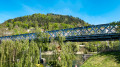
I’d like to suggest a wonderful urban walk taking you over or under the bridges of Besançon.
Starting from the Pont de Velotte, you’ll walk alongside the River Doubs on the Chemin Mazagran side, admiring the flora and fauna lining the riverbank, pass through the river tunnel, and continue on to the Malate footbridge. As you complete the circular route, discover the Rhodiacéta Museum, its bridges, its bastioned towers, its mill, the water station, and return to the Pont de Velotte via the Casemene towpath.
The ridge line, Notre-Dame des Buis and La Libération
 4.67 mi
+571 ft
-581 ft
2h 40
Easy
Departure from Fontain (Doubs)
4.67 mi
+571 ft
-581 ft
2h 40
Easy
Departure from Fontain (Doubs)
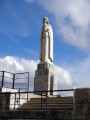
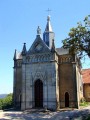
Head towards the Chapelle des Buis and Notre-Dame de la Libération viewpoints overlooking the city of Besançon and its citadel via a ridge path scented with boxwood, running alongside the walls of an old abandoned fort and the charming little Mercureaux valley.
Les Monts des Buis
 5.06 mi
+840 ft
-830 ft
3h 05
Easy
Departure from Besançon (Doubs)
5.06 mi
+840 ft
-830 ft
3h 05
Easy
Departure from Besançon (Doubs)
Starting from the small chapel overlooking the Citadel and the Besançon circular route, you will follow a stream through the cool little valley of Les Mercureaux where, it is said, a temple dedicated to the god Mercury stood in ancient times. Then you will return at a more brisk pace along the old Roman road to Fort des Buis, stopping at the many viewpoints over the Doubs valley.
The Boxwood Path
 6.89 mi
+997 ft
-988 ft
4h 00
Moderate
Departure from Besançon (Doubs)
6.89 mi
+997 ft
-988 ft
4h 00
Moderate
Departure from Besançon (Doubs)
A lion, small and large virgins. No! You are not in an arena, despite the Roman past of our Vesontio, but on the heights of the Chapelle des Buis with its splendid views of the Citadel overlooking the city of Besançon. You will then reach the charming little valley of Les Mercureaux via a ridge path winding through the box trees.
The Mercureaux stream
 4.32 mi
+659 ft
-679 ft
2h 35
Easy
Departure from Besançon (Doubs)
4.32 mi
+659 ft
-679 ft
2h 35
Easy
Departure from Besançon (Doubs)
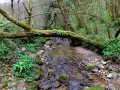
From the chapel, with views over the city of Besançon and the Citadel, you’ll walk through the hills accompanied by the pleasant scent of boxwood. Then, you’ll follow the narrow gorge of the Mercureaux stream as you climb towards the viewpoint over the Val d’Arguel, where you can imagine the feudal castle that once stood there, sadly now destroyed.
At the end of the world... in Besançon
 6.27 mi
+1,119 ft
-1,135 ft
3h 50
Moderate
Departure from Besançon (Doubs)
6.27 mi
+1,119 ft
-1,135 ft
3h 50
Moderate
Departure from Besançon (Doubs)
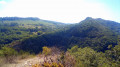
From the small chapel overlooking the Citadel and the Besançon circular route, you’ll follow the ditches of the old fort—which looks like a haunted forest—to reach the Bout du Monde and its waterfall. Along the way, an ancient Roman road, several viewpoints over the Mercureaux Valley and the Doubs Valley and its hills: the Côte de Planoise, Chaudanne, the Citadel, Bregille and the old feudal keep of Montfaucon.
La Jourande
 3.26 mi
+472 ft
-489 ft
1h 55
Easy
Departure from Besançon (Doubs)
3.26 mi
+472 ft
-489 ft
1h 55
Easy
Departure from Besançon (Doubs)
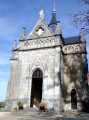
Starting from the small chapel overlooking the citadel and the Besançon circular route, you’ll walk alongside the ruins of the Fort de l’Ouest des Buis to reach the viewpoint over the Mercureaux Valley, where a temple dedicated to the god Mercury once stood. After this stretch through the woodland, you’ll emerge onto the slopes of La Jourande and its views over the Besançon hills and their fortifications.
The Fort de l’Ouest des Buis
 5.43 mi
+755 ft
-771 ft
3h 10
Easy
Departure from Besançon (Doubs)
5.43 mi
+755 ft
-771 ft
3h 10
Easy
Departure from Besançon (Doubs)
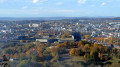
A walk through the Monts des Buis to explore the moats of the ancient fort, which has the air of a haunted forest. Along the way, there are several viewpoints overlooking the Mercureaux Valley and the Doubs Valley with its hills: the Côte de Planoise, Chaudanne, the Citadel, Bregille and the old feudal keep at Montfaucon.
The Chemin de La Bro
 3.01 mi
+607 ft
-597 ft
1h 55
Easy
Departure from Morre (Doubs)
3.01 mi
+607 ft
-597 ft
1h 55
Easy
Departure from Morre (Doubs)
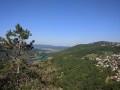
In just five kilometres, you will discover Notre-Dame de la Libération, overlooking Besançon from its altitude of 500 metres, built in gratitude for the city's preservation during the last war. Then you will cross the Monts des Buis, climbing towards wilder viewpoints over the Doubs valley.
Pugey - Arguel via the ridges
 4.15 mi
+627 ft
-650 ft
2h 25
Easy
Departure from Pugey (Doubs)
4.15 mi
+627 ft
-650 ft
2h 25
Easy
Departure from Pugey (Doubs)
A short, easy walk to explore the villages of Pugey and Arguel via the ridges.
Fort de Pugey Circular Route
 2.29 mi
+361 ft
-367 ft
1h 20
Easy
Departure from Pugey (Doubs)
2.29 mi
+361 ft
-367 ft
1h 20
Easy
Departure from Pugey (Doubs)
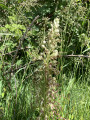
A lovely family walk along the ridge overlooking the village of Pugey, passing by the Fort de Pugey. The route runs partly through woodland and across meadows, offering beautiful views of the lower Jura plateaus and the Franco-Swiss mountain range on a clear day. Nature lovers will be able to spot numerous plant species typical of the limestone hills around Besançon.
La voie romaine de Trois Châtels
3.85 mi
+633 ft
-633 ft
2h 20
Easy
Departure from Morre (Doubs)
Du splendide belvédère de Notre-Dame de la Libération, sur la boucle surmontée de sa Citadelle et sur les monts jurassiens, vous poursuivrez par la voie romaine vers la Grotte-Ermitage de Saint-Léonard et reviendrez à la chapelle par les Monts des Buis.
The boxwood trail
 2.51 mi
+623 ft
-623 ft
1h 40
Easy
Departure from Morre (Doubs)
2.51 mi
+623 ft
-623 ft
1h 40
Easy
Departure from Morre (Doubs)
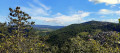
This hike starts at Notre-Dame de la Libération, built in 1945, and offers a varied route combining heritage, panoramic views and forest trails. From the very first steps, you can see the old town of Besançon dominated by its citadel, before opening up to the countryside and the Jura mountains. With its steep paths, rocky ridges and wilder sections, this short circuit is no Sunday stroll, but a real hike just a stone's throw from the city centre.
Le Trou au Loup
 5.91 mi
+814 ft
-817 ft
3h 25
Easy
Departure from Morre (Doubs)
5.91 mi
+814 ft
-817 ft
3h 25
Easy
Departure from Morre (Doubs)
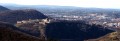
From the Liberation Monument, built in 1945, and its crypt dedicated to the memory of war victims, you can enjoy beautiful views of the city topped by its Citadel on one side and, on a clear day, the Vosges mountains on the other and the Jura ridges. Then, as you walk along the beautiful ridgelines, you will discover views of the valley below and above, with the pretty line of the Besançon mountains: Bregille, Mont Saint-Étienne and its Citadel, Chaudanne and Rosemont.
Trois Châtels
 3.89 mi
+771 ft
-768 ft
2h 30
Easy
Departure from Morre (Doubs)
3.89 mi
+771 ft
-768 ft
2h 30
Easy
Departure from Morre (Doubs)
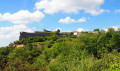
In 1940, Bishop Dubourg vowed to erect a statue of the Virgin Mary if the town were spared. From this viewpoint overlooking the circular part of the town crowned by its Citadel, you’ll enjoy beautiful views of the town and, on a clear day, of the Vosges and the Jura Mountains. You will continue, still in a spirit of devotion, past the Grotte-Ermitage de St-Léonard and Notre Dame-des-Buis, skirting our beautiful Citadel and pausing for a few moments at a viewpoint overlooking the lower reaches of the Doubs valley and the old rooftops of Besançon.
Notre-Dame de la Libération and the Caves of Saint-Léonard
 5.76 mi
+945 ft
-945 ft
3h 30
Moderate
Departure from Morre (Doubs)
5.76 mi
+945 ft
-945 ft
3h 30
Moderate
Departure from Morre (Doubs)
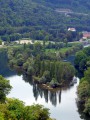
In 1940, the Archbishop of Besançon, Mgr Dubourg, vowed to erect a statue to the Virgin Mary if the city was not destroyed. From this splendid viewpoint overlooking the loop topped by its Citadel, you can continue on your pilgrimage to the Grotte-Ermitage de Saint-Léonard and Notre-Dame-des-Buis, before returning with a spring in your step via the foothills of the Citadel and the Forts des Buis, stopping off at the many viewpoints over the city and other more rugged spots overlooking the Doubs and Mercureaux valleys.
Fort de Chaudanne in Besançon
4.17 mi
+712 ft
-715 ft
2h 30
Moderate
Departure from Besançon (Doubs)
Hike to discover Fort de Chaudanne with its panoramic view of Besançon and the citadel and the small paths surrounding the site.
The Chaudanne Goat Trail
 2.56 mi
+646 ft
-627 ft
1h 45
Easy
Departure from Besançon (Doubs)
2.56 mi
+646 ft
-627 ft
1h 45
Easy
Departure from Besançon (Doubs)
A short walk on one of Besançon’s seven hills, Chaudanne, with its unspoilt natural beauty, shaped by both nature and man, featuring its fort and views over the Citadel, the old town and the southern Doubs valley, framed by the Besançon hills. Although the distance is short, this is a challenging walk – certainly not a leisurely Sunday afternoon stroll: it features some steep climbs and rocky paths through scree slopes and dry grasslands.
La Roche d'Or
 7.22 mi
+1,309 ft
-1,319 ft
4h 30
Moderate
Departure from Besançon (Doubs)
7.22 mi
+1,309 ft
-1,319 ft
4h 30
Moderate
Departure from Besançon (Doubs)
An urban hike to discover the hills of Besançon. Natural factors such as soil, climate and altitude, combined with the action of water, have shaped the hills of Chaudanne and Rosemont, which are remarkable natural areas. Let yourself be seduced by the beauty of unspoilt nature, proving that our provincial Besançon has managed to remain a city in the countryside.
The Fortifications of Besançon
 8.85 mi
+1,854 ft
-1,850 ft
5h 40
Moderate
Departure from Besançon (Doubs)
8.85 mi
+1,854 ft
-1,850 ft
5h 40
Moderate
Departure from Besançon (Doubs)
Just a stone's throw from Besançon city centre, this hike will allow you to discover the capital of Franche-Comté from several different viewpoints. You will also discover the Citadel built by Vauban and several other forts and architectural features that made up the city's fortification system.
Beure and the Chapelle des Buis in Besançon
7.50 mi
+945 ft
-928 ft
4h 15
Moderate
Departure from Besançon (Doubs)
Hike to discover several viewpoints on the outskirts of Besançon.
The Chaudanne trails
 3.85 mi
+876 ft
-856 ft
2h 30
Easy
Departure from Besançon (Doubs)
3.85 mi
+876 ft
-856 ft
2h 30
Easy
Departure from Besançon (Doubs)
A short climb up one of Besançon's seven hills: Chaudanne, with its unspoilt natural beauty, its dry grasslands shaped by nature and man, its fort and its views of the Citadel, the old town and the southern Doubs valley.
Fort de Chaudanne
 2.53 mi
+581 ft
-574 ft
1h 40
Easy
Departure from Besançon (Doubs)
2.53 mi
+581 ft
-574 ft
1h 40
Easy
Departure from Besançon (Doubs)
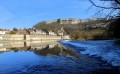
From the countryside to the city: crossing the dry grasslands, shaped by human hands for centuries, you’ll climb up to Fort de Chaudanne and its views over the old town, crowned by its protective citadel. You’ll descend the wooded hillside along a lovely path to follow the peaceful river, stopping for a moment by the bubbling waters of the old dam at the foot of the ramparts.
The cabordes of the Combe de l’Œillet
 1.42 mi
+617 ft
-617 ft
1h 10
Easy
Departure from Besançon (Doubs)
1.42 mi
+617 ft
-617 ft
1h 10
Easy
Departure from Besançon (Doubs)
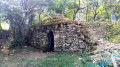
Until the 19th century, Rosemont Hill was cultivated using dry-stone terraces, on which vines, amongst other crops, were grown. The ‘cabordes’ served as shelters for the winegrowers. In the 20th century, these steep slopes were gradually abandoned. This walk allows you to explore the ledges, scree slopes and beautiful panoramic views over the Doubs valley, bearing witness to a landscape shaped by human hands.
The Combe de l’Œillet
 2.99 mi
+715 ft
-732 ft
2h 00
Easy
Departure from Besançon (Doubs)
2.99 mi
+715 ft
-732 ft
2h 00
Easy
Departure from Besançon (Doubs)
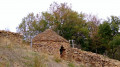
You’ll climb up to the winegrowers’ huts in the Combe des Œillets – these dry-stone structures built without mortar, where winegrowers used to store their tools and take shelter in the event of a storm. Return via the Rosemont cliffs and their views over the upper Doubs valley and the Jura mountains. Just a stone’s throw from the “Rosemont” tram stop, this short, challenging walk will prove – if proof were needed – that Besançon is a city in the countryside!
The Rosemont Cabordes
 1.83 mi
+705 ft
-699 ft
1h 25
Easy
Departure from Besançon (Doubs)
1.83 mi
+705 ft
-699 ft
1h 25
Easy
Departure from Besançon (Doubs)
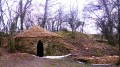
A short, challenging walk to climb up to the Combe des Œillets vineyard huts, these dry-stone structures built without mortar, where winegrowers stored their tools, took shelter during storms and sometimes slept when working late. Return via the Rosemont viewpoint overlooking the upper Doubs valley and the Jura mountains.
Le Rosemont
 3.12 mi
+1,063 ft
-1,063 ft
2h 20
Easy
Departure from Besançon (Doubs)
3.12 mi
+1,063 ft
-1,063 ft
2h 20
Easy
Departure from Besançon (Doubs)
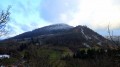
An urban hike, you might say, but one which, as you climb Rosemont and La Roche d’Or, will offer you a wealth of nature just a stone’s throw from the old town and the new town, with its steep cliff-top paths, the beautifully named Combe de l'Oeillet, its old cabordes, and its scree slopes formed by the natural weathering of the cliffs and the piles of stones left by our forebears, who cultivated our Besançon hillsides in terraces.
The Cabordes Trail
 6.22 mi
+1,795 ft
-1,821 ft
4h 25
Moderate
Departure from Besançon (Doubs)
6.22 mi
+1,795 ft
-1,821 ft
4h 25
Moderate
Departure from Besançon (Doubs)
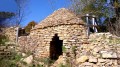
Present on the hills of Besançon since the 16th century, these dry stone constructions without mortar are a reminder of a time when vineyards stretched across the hillsides. A niche, a bench, a fireplace, they allowed the winegrower to store his tools, shelter in case of a storm and perhaps sleep there for a night, as the city gates closed every evening at 10:45 p.m. until 1875. Along the way, you will discover no fewer than five belvederes and the forts of Rosemont and Planoise.
Le Rosemont and La Roche d'Or via the Combe de l'Œillet
 4.56 mi
+1,457 ft
-1,453 ft
3h 20
Moderate
Departure from Besançon (Doubs)
4.56 mi
+1,457 ft
-1,453 ft
3h 20
Moderate
Departure from Besançon (Doubs)
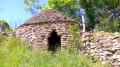
Via the Rosemont ledges, offering views over the Besançon hills topped by the massive, distant silhouette of Mont Poupet, you will climb up to the winegrowers’ huts of the Combe de l’Œillet, these dry-stone constructions built without mortar where winegrowers stored their tools and sought shelter from storms. You will descend back into the valley via these scree slopes, formed by the natural weathering of the cliffs and the piles of stones left by our ancestors who cultivated the terraced hills of the Besançon region. Then, one final effort to climb the Roche d’Or and return via the Chemin de l’Œillet and its houses nestled in the greenery of our city, which knows how to embrace its rural side.
Besançon, its citadel and its circular loop
 3.42 mi
+348 ft
-358 ft
1h 55
Easy
Departure from Besançon (Doubs)
3.42 mi
+348 ft
-358 ft
1h 55
Easy
Departure from Besançon (Doubs)
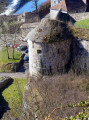
The citadel, a masterpiece by Vauban, overlooks the old town, which is enclosed in a circular bend in the river (the Boucle), from a height of over 100 metres. Its ramparts offer spectacular panoramic views. You will climb up along the ramparts and casemates, then descend the other side towards the entrance to the city, the Porte Rivotte and the toll house. Then, walking along the riverbank, you will discover the towers and bastions that protect the city, ending at the Gare d'Eau, the old goods port.
Fort Moncey
 3.82 mi
+1,073 ft
-1,079 ft
2h 40
Moderate
Departure from Besançon (Doubs)
3.82 mi
+1,073 ft
-1,079 ft
2h 40
Moderate
Departure from Besançon (Doubs)
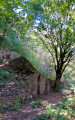
Info: Fort Moncey, better known to the people of Besançon as Fort de Planoise, was built between 1877 and 1892. Surrounded by shelters, four large batteries and barracks, it is open to the public but should be visited with caution. Walkers less interested in military history will appreciate this leafy setting and can stop off at the superb viewing points – one overlooking Besançon and its hills, the other to the south, looking out over the Doubs valley and the Jura mountains – before returning via the bucolic vineyard paths of Les Équegney.
The Beautiful Lady and the Four Guardians of Besançon
 9.15 mi
+1,644 ft
-1,631 ft
5h 40
Moderate
Departure from Besançon (Doubs)
9.15 mi
+1,644 ft
-1,631 ft
5h 40
Moderate
Departure from Besançon (Doubs)
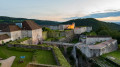
The beautiful Citadel, flanked by its four guardians – the forts of Chaudanne, Griffon, Beauregard and Bregille – still watches over the historic heart of Besançon and its inhabitants.
Discover them on this superb walk. Please note: you’ll be visiting forts, which means climbing to higher ground – so there’s a significant elevation gain – but what a reward: the views from up there are simply heavenly.
La Chapelle des Buis
8.37 mi
+1,293 ft
-1,293 ft
5h 00
Moderate
Departure from Besançon (Doubs)
Circular walk around Besançon. A mix of roads, tracks and steep paths. Take care in wet weather, as the paths can be slippery. Significant elevation gain at the start of the walk and very flat towards the end.
Circular Larnod route via Fort de Pugey, Arguel Castle and Valmy
5.65 mi
+932 ft
-909 ft
3h 25
Moderate
Departure from Larnod (Doubs)
This short but intense hike will take you to a series of historical sites, including the military fort at Pugey, the ruins of Arguel Feudal Castle and the Valmy Monument, a memorial to the members of the Guy Mocquet resistance group who were shot at the citadel, as well as natural sites such as Malpertuis Cave, the Arguel Castle viewpoint, the viewpoint towards the Chère cave, the surprising Roche Trouée in the Martelin woods and finally the Valmy Monument viewpoint, which overlooks Besançon and the entire valley, from the Vosges to Burgundy.
The Planoise Coast
 5.04 mi
+958 ft
-948 ft
3h 10
Moderate
Departure from Besançon (Doubs)
5.04 mi
+958 ft
-948 ft
3h 10
Moderate
Departure from Besançon (Doubs)
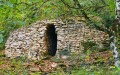
See Practical Information. Besançon, France's first green city, surrounded by wooded hills, is a city in the countryside. This route, from the Malcombe sports complex to Fort de Planoise, will convince you. You will climb picturesque and peaceful paths to two belvederes and cabordes, dry stone huts that bear witness to a time when vineyards stretched across our hillsides.
La Roche Trouée du Bois Martelin
 2.37 mi
+607 ft
-591 ft
1h 35
Easy
Departure from Larnod (Doubs)
2.37 mi
+607 ft
-591 ft
1h 35
Easy
Departure from Larnod (Doubs)
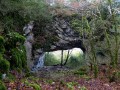
A short but richly rewarding walk: the Rocher de Valmy and the memorial stele, a tribute to the 16 resistance fighters shot at the Citadel, located on a rocky outcrop (406m) overlooking the valley where the Doubs river forms one of its most charming meanders; the Martelin viewpoint over Avanne and the Côte de Planoise; the Roche Trouée, a gateway to the valley; and finally, the old royal road with more beautiful views of the neighbouring mountains.
The Great Desert
 3.22 mi
+312 ft
-341 ft
1h 45
Easy
Departure from Besançon (Doubs)
3.22 mi
+312 ft
-341 ft
1h 45
Easy
Departure from Besançon (Doubs)
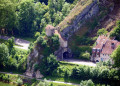
Built in the 19th century in the heart of nature, Fort de Brégille overlooks Besançon and offers one of the most beautiful panoramic views of the old town topped by its citadel and, in the background, the Besançon hills of Chaudanne and Rosemont. After a short detour to the Grand Désert, a vast expanse of scree, you enter the Monts de Bregille forest for a visit to the Renard cave and the Clémentigney viewpoint overlooking the upper Doubs valley and the ruins of the feudal castle of Montfaucon.
The Rock of Valmy and Fort Pugey
 4.19 mi
+682 ft
-666 ft
2h 30
Easy
Departure from Larnod (Doubs)
4.19 mi
+682 ft
-666 ft
2h 30
Easy
Departure from Larnod (Doubs)
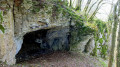
This gentle stroll to the Rocher de Valmy, a key site in the Franche-Comté Resistance, offers views of the lower valley where the Doubs river forms one of its most charming meanders. Then, between pastures and beautiful forests, you will discover the Belvédère Martelin overlooking Avanne and the Côte de Planoise, the Roche Trouée, a wild gateway opening onto the valley, and finally, the ruins of Fort de Pugey, the Grotte de Malpertuis and the massive, distant silhouette of Mont Poupet.
The hunt for Besançon’s twenty fountains
 5.70 mi
+56 ft
-56 ft
2h 40
Easy
Departure from Besançon (Doubs)
5.70 mi
+56 ft
-56 ft
2h 40
Easy
Departure from Besançon (Doubs)
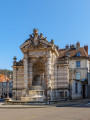
There are plenty of fountains in Besançon! Some more imposing than others, some more interesting, some steeped in history.
Rather than admiring one by chance or even walking past it with complete indifference, why not go on a hunt for the 20 fountains?
An urban and cultural stroll that will help you discover Besançon in a fun way.
Fort de Bregille and Les Prés de Vaux in Besançon
 4.48 mi
+797 ft
-768 ft
2h 45
Moderate
Departure from Besançon (Doubs)
4.48 mi
+797 ft
-768 ft
2h 45
Moderate
Departure from Besançon (Doubs)
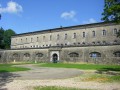
Hike in the Besançon area, allowing you to climb up to Fort de Bregille with a superb view of the city and the citadel.
Fort Beauregard and Fort Bregille
 5.92 mi
+1,171 ft
-1,178 ft
3h 45
Moderate
Departure from Besançon (Doubs)
5.92 mi
+1,171 ft
-1,178 ft
3h 45
Moderate
Departure from Besançon (Doubs)
The forts of Beauregard and Bregille offer a special walk for residents of Besançon seeking greenery and sweeping views of the capital of Franche-Comté and its hills. They offer superb views of our Citadel. Then, just a stone's throw from the bustling city, you will find yourself on quiet paths, accompanied by the scent of boxwood.
Le Grand Méandre and the Chalet d'Arguel
 8.21 mi
+801 ft
-814 ft
4h 30
Moderate
Departure from Larnod (Doubs)
8.21 mi
+801 ft
-814 ft
4h 30
Moderate
Departure from Larnod (Doubs)
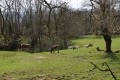
This forest walk is ideal for an autumn morning, when you can surprise a few peaceful chamois in secret clearings and discover the superb Grand Méandre viewpoint over the Loue valley and the keep of the feudal castle of Chenecey, emerging from the forest. Return via the Chalet d'Arguel and pastures that will sharpen your sense of direction.
La Grange Rouge and the Grand Méandre
 5.46 mi
+548 ft
-564 ft
3h 00
Easy
Departure from Larnod (Doubs)
5.46 mi
+548 ft
-564 ft
3h 00
Easy
Departure from Larnod (Doubs)
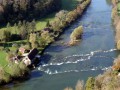
A forest walk, ideal for an autumn morning, where you might spot a few peaceful chamois in the depths of secret glades and discover, emerging from the forest setting, the superb Grand Méandre viewpoint over the Loue valley and the keep of the feudal castle of Chenecey.
The Traîne Bâton path
 4.46 mi
+778 ft
-797 ft
2h 45
Easy
Departure from Morre (Doubs)
4.46 mi
+778 ft
-797 ft
2h 45
Easy
Departure from Morre (Doubs)
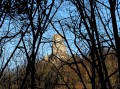
From the ancient Fontaine de Janniet, lost in the depths of the woods where, perhaps, the Vouivre dragon once gazed at its reflection in its green waters, you will plunge into the wild freshness of the Nacra valley. Then, slipping under the ruins of the old castle, accompanied by the scent of boxwood so characteristic of our limestone mountains, you will return, following the river and climbing back up the mountain via the beautifully named "Chemin du Traîne Bâton" (Walking Stick Path).
The Grand Bois karst trail
 1.87 mi
+92 ft
-98 ft
0h 55
Easy
Departure from Mérey-sous-Montrond (Doubs)
1.87 mi
+92 ft
-98 ft
0h 55
Easy
Departure from Mérey-sous-Montrond (Doubs)
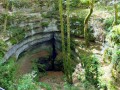
A short walk through the woods will allow you to discover a limestone landscape dotted with caves, chasms, sinkholes and sharp limestone pavements. Over thousands of years, water has chemically eroded the rock to create this surprising landscape. Cool temperatures are guaranteed, even in hot weather.
The Montfaucon valley
 3.27 mi
+512 ft
-512 ft
1h 55
Easy
Departure from Montfaucon (Doubs) (Doubs)
3.27 mi
+512 ft
-512 ft
1h 55
Easy
Departure from Montfaucon (Doubs) (Doubs)
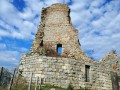
Perched on a rocky outcrop, nestled in the hollow of a charming valley for nearly ten centuries, the ruins of the ancient medieval fortress overlook the Doubs valley. After a visit to the keep and the old village, you’ll make your way beneath the ruins of the old castle. Then, descending into the wild, refreshing coolness of the Nacra gorge, you’ll return to the village via a path that’s rather shy in autumn, hidden beneath the leaves, but charming and lined with daffodils in spring.
The Feudal Castle of Montfaucon
 4.69 mi
+676 ft
-669 ft
2h 45
Easy
Departure from Montfaucon (Doubs) (Doubs)
4.69 mi
+676 ft
-669 ft
2h 45
Easy
Departure from Montfaucon (Doubs) (Doubs)
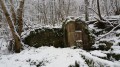
During this walk, you will pass through almost 1,000 years of military history, from the ruins of the old medieval castle to the Woirol military fort, built at the end of the 19th century, enjoying numerous views of the Bisontine valley and, on a clear day in the early morning or evening, the Bernese Oberland Alps and Mont Blanc.
Montfaucon: Dhuit Fountain
 4.25 mi
+764 ft
-771 ft
2h 35
Easy
Departure from Montfaucon (Doubs) (Doubs)
4.25 mi
+764 ft
-771 ft
2h 35
Easy
Departure from Montfaucon (Doubs) (Doubs)
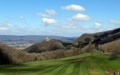
Peaceful downhill hike through the Montfaucon valley to the feudal castle perched on its rocky outcrop. Then from a lost fountain to a forgotten fountain, you will go through and, no doubt, appreciate the wild freshness of the Nacra steephead valley.
The Janniet Fountain
 3.87 mi
+673 ft
-676 ft
2h 20
Easy
Departure from Montfaucon (Doubs) (Doubs)
3.87 mi
+673 ft
-676 ft
2h 20
Easy
Departure from Montfaucon (Doubs) (Doubs)
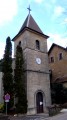
You will descend the wooded hillside of Nacra via a path that is barely visible in autumn, hidden under the leaves, but charming and lined with daffodils in spring, where you may catch a glimpse of the Vouivre dragon reflected in the green waters of the old Janniet fountain. You will discover views of the valley below and above, with the pretty line of the Besançon mountains: Bregille, Mont Saint-Étienne and its citadel, Chaudanne and Rosemont.
The Nacra ravine, the Côte d’Arbois and Fort Woirol
 3.62 mi
+896 ft
-879 ft
2h 25
Easy
Departure from Montfaucon (Doubs) (Doubs)
3.62 mi
+896 ft
-879 ft
2h 25
Easy
Departure from Montfaucon (Doubs) (Doubs)
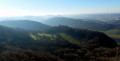
A route for experienced and cautious walkers. ‘Just 6 short kilometres,’ you might think dismissively. Pffft! A leisurely Sunday stroll. Be wary, however. This short hike has plenty of challenges in store for you, and you’ll appreciate the wild, refreshing atmosphere of the Nacra ravine, the climb up the Côte d’Arbois – which isn’t quite as gentle as it sounds – and its unspoilt viewpoint overlooking the ruins of the feudal castle nestled in a charming little valley. The return journey is more peaceful, via Fort Woirol and the Alps viewpoint.
The Alps viewpoint
 2.29 mi
+371 ft
-371 ft
1h 25
Easy
Departure from Montfaucon (Doubs) (Doubs)
2.29 mi
+371 ft
-371 ft
1h 25
Easy
Departure from Montfaucon (Doubs) (Doubs)
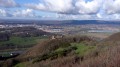
During this short walk, you’ll discover the powder magazines of Fort Woirol, its signal post and its anti-aircraft batteries, ending at the Alpes viewpoint overlooking the Doubs valley, the Citadel, the Jura mountains and, on a clear day, Mont Blanc.
The Nacra valley, the Dhuit fountain and the castle ruins
 3.65 mi
+682 ft
-686 ft
2h 15
Easy
Departure from Montfaucon (Doubs) (Doubs)
3.65 mi
+682 ft
-686 ft
2h 15
Easy
Departure from Montfaucon (Doubs) (Doubs)
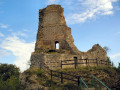
The Montfaucon valley, watched over by its thousand-year-old keep, is undoubtedly one of the most charming places near Besançon, with its ruins reminiscent of "German Romanticism". You can explore it via the cool, wild and remote Nacra and the sylvan fountain of La Dhuit, where you can imagine the Vouivre dragon reflecting in its green waters.
Circular route from La Malate to Montfaucon
7.88 mi
+1,198 ft
-1,181 ft
4h 40
Moderate
Departure from Montfaucon (Doubs) (Doubs)
A mixed walk along roads and forest tracks. Descend by road bike to La Malate and climb back up via the castle and the Montfaucon viewpoint. The descent takes you through the Montfaucon woods with views across the whole of the Haut Doubs and the Jura mountains, and even as far as the Alps on a clear day.
The Avancée Battery
 4.71 mi
+679 ft
-682 ft
2h 45
Easy
Departure from Montfaucon (Doubs) (Doubs)
4.71 mi
+679 ft
-682 ft
2h 45
Easy
Departure from Montfaucon (Doubs) (Doubs)
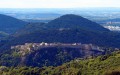
The Montfaucon viewpoint over the Doubs valley, the Citadel, the Jura mountains and, on a clear day, Mont Blanc. Fort Woirol, its forward battery, its redoubts and a leap back 1,000 years with a lovely view of the ruins of the feudal castle.
Fort Woirol and the Épesses Battery
 4.89 mi
+433 ft
-443 ft
2h 40
Easy
Departure from Montfaucon (Doubs) (Doubs)
4.89 mi
+433 ft
-443 ft
2h 40
Easy
Departure from Montfaucon (Doubs) (Doubs)
Fort Woirol, built in 1874 alongside other fortifications, forms part of the formidable ‘Montfaucon defensive line’. You will also discover the signal station, fitted out for telegraphy using Morse code light signals, the powder magazine, the Épesses Battery and several firing positions, all designed to threaten an enemy that never came. But beyond this military history, you will enjoy superb views over the Doubs valley and the ruins of a feudal castle.
The Bois de la Chaille
2.68 mi
+180 ft
-177 ft
1h 25
Easy
Departure from Besançon (Doubs)
A short family walk best enjoyed in dry weather.
The Montfaucon defensive mole
 7.83 mi
+830 ft
-856 ft
4h 20
Moderate
Departure from Montfaucon (Doubs) (Doubs)
7.83 mi
+830 ft
-856 ft
4h 20
Moderate
Departure from Montfaucon (Doubs) (Doubs)
Hike through the defensive wall of Montfaucon, a system of fortifications essential to the defence of Besançon. Built between 1870 and 1889 on a cliff, the site overlooks the city at an altitude of 617 metres. For walkers with less of a military bent, you will enjoy this woodland walk with its views of the Doubs valley, the Citadel, the Jura Mountains and, on a clear day, the Alps, from the Bernese Oberland to Mont Blanc.
The Montfaucon viewpoint
 1.90 mi
+138 ft
-131 ft
1h 00
Easy
Departure from Montfaucon (Doubs) (Doubs)
1.90 mi
+138 ft
-131 ft
1h 00
Easy
Departure from Montfaucon (Doubs) (Doubs)
The Montfaucon viewpoint over the Doubs valley, the Citadel, the Jura mountains and, on a clear day, Mont Blanc. Fort Woirol, its anti-aircraft batteries, its redoubts and, finally, a lovely view of the ruins of the feudal castle.
The Gunpowder Trail at Fort Woirol
 4.74 mi
+899 ft
-896 ft
3h 00
Moderate
Departure from Montfaucon (Doubs) (Doubs)
4.74 mi
+899 ft
-896 ft
3h 00
Moderate
Departure from Montfaucon (Doubs) (Doubs)
As you make your way down the wild Nacra gorge along a path—timid in autumn, hidden beneath the leaves, but charming and lined with daffodils in spring—you may catch a glimpse of the Vouivre river reflecting in the green waters of the Fontaine de la Dhuit. Then 1,000 years of military history, from Fort Woirol – with its powder magazines, signal post and anti-aircraft batteries – to the feudal castle and, finally, the ‘Belvédère des Alpes’ viewpoint overlooking the Doubs valley, the Citadel and, on a clear day, Mont Blanc.