Refine your search for walks in Noyelles-sous-Lens
Noyelles-sous-Lens walks


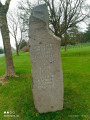
 The necropolis from Étang du Brochet
 Association / Club / Walk leader
 7.11 mi
 +220 ft
 -207 ft
 3h 30
3h 30
 Moderate
 Departure from Noyelles-sous-Lens (Pas-de-Calais)
Starting from Étang du Brochet, this hike will take you up Terril du Lavoir, before crossing the Méricourt mining village and then the necropolis of 10 March 1906, a memorial site following the mining disaster that claimed 1,099 lives.
Le Bossu from Avion
6.85 mi
+167 ft
-171 ft
3h 20
Moderate
Departure from Pas-de-Calais
A lovely urban walk that will take you through places you’d never have imagined.
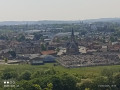
Le Bois de Florimond et les terrils
 6.21 mi
+246 ft
-249 ft
3h 05
6.21 mi
+246 ft
-249 ft
3h 05
 Easy
Departure from Harnes (Pas-de-Calais)
Easy
Departure from Harnes (Pas-de-Calais)
Belle randonnée à faire en famille entre terrils, étangs et points de vue.
Slag Heaps 83 and 94 - Fouquières marshes
 Visorando Member
 5.57 mi
+308 ft
-308 ft
2h 50
Easy
Departure from Harnes (Pas-de-Calais)
5.57 mi
+308 ft
-308 ft
2h 50
Easy
Departure from Harnes (Pas-de-Calais)
A route that takes you through the Fouquières marshes. You'll climb the wooded slag heap 83, offering a view of a mysterious artificial valley. You'll then head for slag heap 94 (staircase slag heap), passing the schlamm bins (storage of mining waste) and the Harnes fishing pond. Return along the path that runs alongside the Lens canal.
Sentier des Fumerolles and Bois de Florimond
 3.55 mi
+118 ft
-118 ft
1h 45
Easy
Departure from Harnes (Pas-de-Calais)
3.55 mi
+118 ft
-118 ft
1h 45
Easy
Departure from Harnes (Pas-de-Calais)
Slag heaps are not just piles of dead rocks; reactions are still taking place at their core. As evidence of these reactions, gaseous fumaroles escape from them. To see this for yourself, head to Harnes, starting from the Bois de Florimond, and make your way towards the slag heap. Then follow the signposted path known as the “Sentier des Fumerolles” (Fumaroles Trail), marked by concrete posts, which will take you to Slurry Heap 230. It is a surprising journey offering a wide variety of landscapes and points of interest: views of fumaroles, a viewpoint over the south-east of the mining basin, a viewpoint over the canyon, and more.
Slag heap 75, Pinchonvalles ridge
 3.39 mi
+272 ft
-272 ft
1h 50
Easy
Departure from Pas-de-Calais
3.39 mi
+272 ft
-272 ft
1h 50
Easy
Departure from Pas-de-Calais
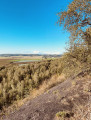
This itinerary takes you to Europe's longest slag heap, which stretches over 2km and fills an ancient valley. You'll enjoy views over the coalfield and the Artois hills. At times, you'll have the impression of walking along a mountain ridge. An entirely wooded terril, it is a reserve for numerous species.
The 80 slag heap (Garennes Pont Ampère) along La Souchez
 3.42 mi
+85 ft
-85 ft
1h 40
Easy
Departure from Liévin (Pas-de-Calais)
3.42 mi
+85 ft
-85 ft
1h 40
Easy
Departure from Liévin (Pas-de-Calais)
This route will take you to the top of the flat 80 slag heap (shaped like a plateau), offering a beautiful view of the mining basin and the Artois hills. The rest of the route follows the course of the Souchez river in a green and peaceful setting.
 The Haute Deûle, between canals and marshes
 25.23 mi
+30 ft
-30 ft
3 hrs
Moderate
Departure from Pont-à-Vendin (Pas-de-Calais)
25.23 mi
+30 ft
-30 ft
3 hrs
Moderate
Departure from Pont-à-Vendin (Pas-de-Calais)
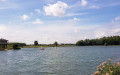
Explore the Parc de la Deûle by mountain bike. This is a suburban park built around the Canal de la Haute-Deûle. It was created to protect the irreplaceable water-capturing fields in the south of the Lille metropolitan area.Numerous facilities welcome visitors, encouraging them to respect the fragile environments.A pleasant ride along the Deûle and the Wavrin Marshes. An easy route offering a mix of riding on stony paths, towpaths and through the park.
Lens, Louvre and Stadium
 4.02 mi
+52 ft
-52 ft
1h 55
Easy
Departure from Liévin (Pas-de-Calais)
4.02 mi
+52 ft
-52 ft
1h 55
Easy
Departure from Liévin (Pas-de-Calais)
This short hike starting from Liévin will take you through the gardens of the Louvre-Lens Museum and the Bollaert Delelis Stadium. You will cross the skate park before reaching the Jean Perrin public garden via well-maintained paths.
Le Grand Mont in Loos-en-Gohelle
4.85 mi
+115 ft
-105 ft
2h 20
Easy
Departure from Loos-en-Gohelle (Pas-de-Calais)
A beautiful walk that will allow you to discover Loos-en-Gohelle, passing by the Canadian Memorial, the 11-19 base and other sites.
The Wood Trail in Loos-en-Gohellle
 4.73 mi
+200 ft
-171 ft
2h 20
Easy
Departure from Loos-en-Gohelle (Pas-de-Calais)
4.73 mi
+200 ft
-171 ft
2h 20
Easy
Departure from Loos-en-Gohelle (Pas-de-Calais)
This walk will take you to the foot of Europe’s tallest slag heaps, rising to 187 m and offering a 360° view. The more adventurous can climb the slag heap
The slag heaps of Loos-en-Gohelle
 6.98 mi
+381 ft
-381 ft
3h 35
Moderate
Departure from Loos-en-Gohelle (Pas-de-Calais)
6.98 mi
+381 ft
-381 ft
3h 35
Moderate
Departure from Loos-en-Gohelle (Pas-de-Calais)
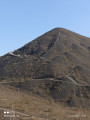
A very beautiful hike to the highest slag heaps in Europe with a view of the Flanders mountains on a clear day.
The fig tree in Loos-en-Gohelle
4.85 mi
+171 ft
-174 ft
2h 25
Easy
Departure from Loos-en-Gohelle (Pas-de-Calais)
This short hike starting from Loos-en-Gohelle will take you to the slag heap and the 11/19 site. On the way back, you will cross the British Military Cemetery and the Canadian Memorial at Hill 70, all on good paths.
The Loos cycle route
 5.20 mi
+105 ft
-105 ft
2h 30
Easy
Departure from Loos-en-Gohelle (Pas-de-Calais)
5.20 mi
+105 ft
-105 ft
2h 30
Easy
Departure from Loos-en-Gohelle (Pas-de-Calais)
Starting from the Jardins du Louvre nursery, this round trip will take you along Eurovélo 5, through woods and town, to Saint-Auguste Church, where you will turn back.
Pinchonvalles slag heap via Bois de l'Abime and Givenchy
7.00 mi
+325 ft
-312 ft
3h 30
Moderate
Departure from Liévin (Pas-de-Calais)
This hike between woods and town will take you past the former Fosse n°6 in Liévin, the Bois de l'Abime and Givenchy, before climbing the Terril de Pinchonvalles on good paths. It is a remarkable route for its biodiversity.
Les bords de la Souchez à Liévin
 7.59 mi
+207 ft
-184 ft
3h 40
Moderate
Departure from Liévin (Pas-de-Calais)
7.59 mi
+207 ft
-184 ft
3h 40
Moderate
Departure from Liévin (Pas-de-Calais)
Pour cette randonnée vous passerez sur les bords de la Souchez et par le Parc de la Glissoire sur des chemins tranquilles et piste cyclables.
Val de Souchez et Riaumont
 4.74 mi
+154 ft
-148 ft
2h 20
Easy
Departure from Liévin (Pas-de-Calais)
4.74 mi
+154 ft
-148 ft
2h 20
Easy
Departure from Liévin (Pas-de-Calais)
Belle balade sur les bords de la Souchez et lans e Bois de Riaumont, à faire en famille ou entre amies et amis
Les deux terrils à Liévin
6.90 mi
+318 ft
-305 ft
3h 25
Moderate
Departure from Liévin (Pas-de-Calais)
Petite randonnée sur les deux terrils, le premier assez facile mais un peu plus difficile que le Terril de Pinchonval ; entre bois et rivière en passant par le site du Percot et ses étangs.
Slag heap 74 and 74A, the highest in Europe
 4.38 mi
+748 ft
-761 ft
2h 40
Moderate
Departure from Loos-en-Gohelle (Pas-de-Calais)
4.38 mi
+748 ft
-761 ft
2h 40
Moderate
Departure from Loos-en-Gohelle (Pas-de-Calais)
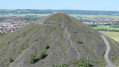
An itinerary that will take you to Europe's king of slag heaps! You'll first discover the former 11/19 base with its headframes and mining buildings currently being converted. You'll also enjoy a few pleasant passages through the undergrowth.
Mining rider from Lens 12
2.36 mi
+92 ft
-92 ft
1h 10
Easy
Departure from Loos-en-Gohelle (Pas-de-Calais)
Short and easy hike through the mining wasteland, slag heap and railway embankment, with a wooded section.
Circuit "où est le flot" depuis Bénifontaine
5.01 mi
+36 ft
-36 ft
2h 20
Easy
Departure from Bénifontaine (Pas-de-Calais)
Cette randonnée vous emmène entre champs et marais, avec des passages insolites autour de Bénifontaine et Wingles.
La fontaine bénite depuis Bénifontaine
 7.80 mi
+36 ft
-36 ft
3h 35
Moderate
Departure from Bénifontaine (Pas-de-Calais)
7.80 mi
+36 ft
-36 ft
3h 35
Moderate
Departure from Bénifontaine (Pas-de-Calais)
Belle randonnée entre plaine et marais, et leurs biodiversités.
Le Quevalon depuis Hulluch
 5.00 mi
+36 ft
-36 ft
2h 20
Easy
Departure from Hulluch (Pas-de-Calais)
5.00 mi
+36 ft
-36 ft
2h 20
Easy
Departure from Hulluch (Pas-de-Calais)
Jolie petite randonnée qui vous fera passer par la base de loisir et la plaine environnante
Circular route from Hulluch via 13 bis
 4.46 mi
+33 ft
-33 ft
2h 05
Easy
Departure from Hulluch (Pas-de-Calais)
4.46 mi
+33 ft
-33 ft
2h 05
Easy
Departure from Hulluch (Pas-de-Calais)
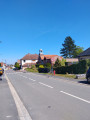
This walk, starting from Hulluch, will take you to the former Lens 13 bis pit, then on to Benifontaine. A bit of history: Hulluch is a town in the mining basin listed as a UNESCO World Heritage Site.
The two bridges from Vimy
4.76 mi
+108 ft
-118 ft
2h 15
Easy
Departure from Vimy (Pas-de-Calais)
This short hike around Vimy, between the town, voyettes (small streets in local dialect) and plains, will give you a different perspective on our beautiful region, its heritage and its memory of the Great War
Le Champ des Saints depuis Vimy
 7.95 mi
+289 ft
-308 ft
3h 55
Moderate
Departure from Vimy (Pas-de-Calais)
7.95 mi
+289 ft
-308 ft
3h 55
Moderate
Departure from Vimy (Pas-de-Calais)
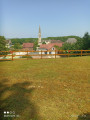
Venez découvrir les villages de l'Artois par Farbus, Willerval et Vimy. Randonnée entre bois et plaine avec vue sur les terrils de Loos-en-Gohelle
Les Voyettes
 4.53 mi
+164 ft
-167 ft
2h 15
Easy
Departure from Vimy (Pas-de-Calais)
4.53 mi
+164 ft
-167 ft
2h 15
Easy
Departure from Vimy (Pas-de-Calais)
This local hike will introduce you to this charming village in the community of Lens-Lievin. It took in the wounded during the Battle of Lens in August 1648 and many other battles, including the Battle of Vimy Ridge from 9 to 12 April 1917. The ponds around Vimy are former shell holes. Even today, unexploded ordnance can still be found.
Les antennes depuis Vimy
 8.43 mi
+315 ft
-315 ft
4h 10
Moderate
Departure from Vimy (Pas-de-Calais)
8.43 mi
+315 ft
-315 ft
4h 10
Moderate
Departure from Vimy (Pas-de-Calais)
Jolie randonnée qui vous conduira tout d'abord dans la campagne entre Vimy et Farbus, puis vous fera monter à Thelus avant de rejoindre le Mémorial Canadien et la Forêt de Vimy.
The Goulot from Vimy
 7.34 mi
+295 ft
-299 ft
3h 40
Moderate
Departure from Vimy (Pas-de-Calais)
7.34 mi
+295 ft
-299 ft
3h 40
Moderate
Departure from Vimy (Pas-de-Calais)
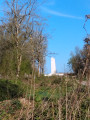
This walk, starting from Place de la République, will take you to the Canadian Memorial. It then follows a descent through Thélus and Farbus via the Bois du Goulot. You will pass by the Saint-Ranulphe Fountain. The whole route is on good paths.
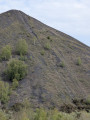
Slag heaps 87 and 92 in Dourges
 3.15 mi
+217 ft
-220 ft
1h 40
Easy
Departure from Dourges (Pas-de-Calais)
3.15 mi
+217 ft
-220 ft
1h 40
Easy
Departure from Dourges (Pas-de-Calais)
A route that will take you to the Sainte-Henriette slag heap, the landmark that marks the entrance to the mining basin when approaching from Paris, visible from the TGV line and the A1 and A21 motorways. You’ll climb its neighbouring ‘little brother’ and enjoy a superb view. Not to be missed.
La Vignette depuis Givenchy-en-Gohelle
 6.42 mi
+361 ft
-387 ft
3h 15
Moderate
Departure from Givenchy-en-Gohelle (Pas-de-Calais)
6.42 mi
+361 ft
-387 ft
3h 15
Moderate
Departure from Givenchy-en-Gohelle (Pas-de-Calais)
Cette randonnée est une variante de la Vignette depuis Givenchy-en-Gohelle. Au départ de Givenchy-en-Gohelle, vous montez au Mémorial canadien, avec passage dans la Forêt Domaniale de Vimy, puis vous passez le long des tranchées. Avec un peu de chance, vous pourrez voir les moutons.
Terril de Pinchonvalles, Bois des Bruyères et voyettes de Givenchy
8.65 mi
+535 ft
-509 ft
4h 25
 Difficult
Departure from Givenchy-en-Gohelle (Pas-de-Calais)
Difficult
Departure from Givenchy-en-Gohelle (Pas-de-Calais)
Peu de goudron sur ce parcours qui permet d'arpenter les chemins du Bois des Bruyères et de faire le tour du Terril de Pinchonvalles.
J'ai dû changer le départ car le beau chemin qui partait à gauche dans la Rue de l'Église est pour le moment (???) en chantier : nouveau lotissement en construction. Malgré toutes les promesses, on continue à bétonner les villes. Prions Ste Godasse et St Croquenot pour que ce chemin réapparaisse après les travaux.
The walk around the woods from Angres
4.88 mi
+289 ft
-272 ft
2h 30
Easy
Departure from Angres (Pas-de-Calais)
Starting from the pond, this walk takes you around the Bois de l'Abîme via Givenchy-en-Gohelle. After a short climb, the walk takes you back down through the Bois des Bruyères.
From Angres to Pinchonvalles
6.69 mi
+512 ft
-492 ft
3h 30
Moderate
Departure from Angres (Pas-de-Calais)
This walk, starting from the old ponds, will take you to the Pinchonvalles slag heap via the woods of l’Abîme, les Bruyères and Givenchy, all along good paths, before returning via the Ancienne Fosse N°6 in Liévin.
Le Bois de l'Abîme à Givenchy
4.23 mi
+217 ft
-210 ft
2h 10
Easy
Departure from Angres (Pas-de-Calais)
Très belle randonnée dans le Bois de l'Abîme à Givenchy avec sur le parcours une stèle à la mémoire de deux soldats morts lors de la première guerre mondiale.
The Notre-Dame de Lorette Memorial
13.00 mi
+600 ft
-607 ft
6h 30
Difficult
Departure from Angres (Pas-de-Calais)
The route starts from the town of Angres (in the Lens district), one of the former mining towns of the Hauts-de-France region. After a few hundred metres, you’ll leave the main urban ring road behind to enjoy the plains, valleys and forests of Artois.
You could also start this circular loop from (10) N-D de Lorette, or from (3) Aix-Noulette, or even from (14) Souchez. There are restaurants at each potential starting point. (See the practical information below).
The seven lakes at Wingles
 4.57 mi
+16 ft
-16 ft
2h 05
Easy
Departure from Wingles (Pas-de-Calais)
4.57 mi
+16 ft
-16 ft
2h 05
Easy
Departure from Wingles (Pas-de-Calais)
A very beautiful walk set amidst lush greenery and water.
Le Corne Bœuf from Wingles
 6.43 mi
+46 ft
-46 ft
3h 00
Moderate
Departure from Wingles (Pas-de-Calais)
6.43 mi
+46 ft
-46 ft
3h 00
Moderate
Departure from Wingles (Pas-de-Calais)
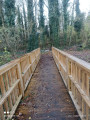
This hike, starting from the Leisure Centre on Rue du Clair, will take you past the surrounding ponds and woods with their rich biodiversity and a few climbs, not to mention the Flot de Wingles.
La base nautique et ses alentours à Wingles
6.23 mi
+69 ft
-72 ft
2h 55
Moderate
Departure from Wingles (Pas-de-Calais)
Cette randonnée à partir de la base nautique et de loisirs vous fera passer par le Parc Alexis et les marais à la découverte de la biodiversité sur la commune de Wingles. De nombreux oiseaux sont à découvrir.
La trace gpx peut s'avérer utile au vu des nombreux chemins présents.
Short route around Farbus
3.29 mi
+141 ft
-144 ft
1h 40
Easy
Departure from Farbus (Pas-de-Calais)
A circular route around Farbus, allowing you to explore the village and the surrounding countryside.
The Bois de l'Abîme and Givenchy from Angres
 7.29 mi
+276 ft
-292 ft
3h 35
Moderate
Departure from Angres (Pas-de-Calais)
7.29 mi
+276 ft
-292 ft
3h 35
Moderate
Departure from Angres (Pas-de-Calais)
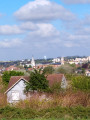
This walk, starting from Angres, will take you through the Bois de l’Abîmes and Givenchy, passing over the Pinchonvalles slag heap. Angres was inhabited during the Gallo-Roman period, but is best known for its mining industry (from 1907), with pits No. 6 and No. 6 bis. These were destroyed during the First World War. Mining resumed in 1920, before closing down permanently in 1984.
The mountains from Angres
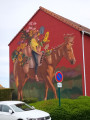 11.31 mi
+666 ft
-659 ft
5h 45
Difficult
Departure from Angres (Pas-de-Calais)
11.31 mi
+666 ft
-659 ft
5h 45
Difficult
Departure from Angres (Pas-de-Calais)
This hike, starting from Angres, will take you through the Bois de l'Abîme and the Bois des Bruyères before descending to Souchez. You will then pass through Prés Molaine and Ablain-St-Nazaire before climbing to Notre-Dame-de-Lorette, the highest point of this hike, before a more leisurely return.
The two spoil heaps from Oignies
 6.19 mi
+305 ft
-308 ft
3h 05
Moderate
Departure from Oignies (Pas-de-Calais)
6.19 mi
+305 ft
-308 ft
3h 05
Moderate
Departure from Oignies (Pas-de-Calais)
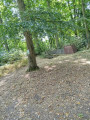
This walk, starting from the 9-9bis Mining Centre, will take you across both slag heaps without much difficulty, offering beautiful views of the slag heap range. The walk follows very good wooded paths on the first slag heap of the route. It is advisable to do the walk in the morning. You can extend the walk by crossing the Bois des Hautois, but there are a great many fallen trees.
Madame Declercq’s trail
 5.56 mi
+364 ft
-361 ft
2h 50
Moderate
Departure from Oignies (Pas-de-Calais)
5.56 mi
+364 ft
-361 ft
2h 50
Moderate
Departure from Oignies (Pas-de-Calais)
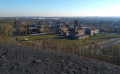
Located in the heart of the mining basin, the Bois des Hautois in Oignies is a preserved site where hiking trails wind their way between slag heaps, ponds and pastures. The suggested route is situated in the immediate vicinity of the former 9-9 bis pithead, listed as a UNESCO World Heritage Site since 30 June 2012, and whose metal headframe is never far from view, helping you to find your way along the route.
Slag heaps 116–117, 10 in Oignies
 3.63 mi
+141 ft
-141 ft
1h 45
Easy
Departure from Oignies (Pas-de-Calais)
3.63 mi
+141 ft
-141 ft
1h 45
Easy
Departure from Oignies (Pas-de-Calais)
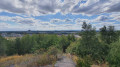
A route that takes you from the former 9-9bis pit in Oignies, with its renovated buildings that will transport you back several decades. You will then cross the Bois de Gosse and stop at the wildlife observatory. The landscape will take on a more lunar appearance as you climb the slag heap, before finally returning to the pit via the old mining sidings (rail tracks).
The Canadian Vimy Memorial
 3.25 mi
+43 ft
-43 ft
1h 30
Easy
Departure from Givenchy-en-Gohelle (Pas-de-Calais)
3.25 mi
+43 ft
-43 ft
1h 30
Easy
Departure from Givenchy-en-Gohelle (Pas-de-Calais)
This site represents Canada's most impressive memorial to its citizens who fought and gave their lives in the First World War. A strategic high point, offering breathtaking views of the coalfield and Artois hills.
Right at the top of the slag heap *
 7.76 mi
+390 ft
-367 ft
3h 55
Moderate
Departure from Carvin (Pas-de-Calais)
7.76 mi
+390 ft
-367 ft
3h 55
Moderate
Departure from Carvin (Pas-de-Calais)
Climbing a slag heap offers the chance to gain a bird’s-eye view and appreciate the ever-changing nature of the surrounding landscape, whilst observing the traces of both the past and the present.
This circular route, linking Parc de l’Horloge and Terril 107 in Carvin to Parc du Téléphérique and Terril 115 in Libercourt, allows you to explore two protected natural areas, developed around two spoil heaps, which symbolise the regeneration of the Nord-Pas-de-Calais mining basin.
Slag heap 107, the large clock tower
 3.92 mi
+223 ft
-226 ft
2h 00
Moderate
Departure from Carvin (Pas-de-Calais)
3.92 mi
+223 ft
-226 ft
2h 00
Moderate
Departure from Carvin (Pas-de-Calais)
A route that will take you to the summit of slag heap 107, a fully wooded slag heap. You will follow old mining sidings, which are former railway tracks. You will walk alongside ponds with a bucolic charm, then cross through wild woods or farm tracks with unobstructed views.
Riez Circular Route
 6.62 mi
+20 ft
-20 ft
3h 05
Moderate
Departure from Bauvin (Nord)
6.62 mi
+20 ft
-20 ft
3h 05
Moderate
Departure from Bauvin (Nord)
The Boucle des Riez is situated in the commune of Bauvin in northern Hauts-de-France, on the edge of the Pas-de-Calais.This pleasant route takes you along the Deûle Canal, through the two Riez marshes and past the Île aux Saules. Numerous picnic tables await walkers along the banks of the ponds.
Woods and trenches between Thélus and Vimy
7.66 mi
+318 ft
-331 ft
3h 45
Moderate
Departure from Thélus (Pas-de-Calais)
Very few roads on this rural route, which becomes quite difficult in wet weather. Although the elevation gain does not seem significant, the Sentier de la Vignette, on the northern edge of Vimy Wood, is very hilly, with steep slopes that will give your calves a good workout. It is, of course, possible to go down into the trenches and wander a little through this labyrinth.
La plaine au Nord d'Arras et le Bois de Vimy
14.48 mi
+663 ft
-673 ft
7h 15
Difficult
Departure from Thélus (Pas-de-Calais)
A countryside walk near the town of Arras.Plenty of paths and small roads that are not really suitable for vehicles.
To spice up the route a little, I’ve added a section of the Vignette trail (going in the opposite direction, so there are no signposts) which takes you round the Bois de Vimy. This route is quite challenging but very enjoyable and is now well maintained.
Bois de Berthonval depuis Thélus
 7.26 mi
+312 ft
-295 ft
3h 35
Moderate
Departure from Thélus (Pas-de-Calais)
7.26 mi
+312 ft
-295 ft
3h 35
Moderate
Departure from Thélus (Pas-de-Calais)
À la decouverte des villages de Thélus et Farbus, en passant par le Bois de Berthonval.
Discover the villages of Thélus, Willerval and Farbus
 8.25 mi
+197 ft
-180 ft
4h 00
Easy
Departure from Thélus (Pas-de-Calais)
8.25 mi
+197 ft
-180 ft
4h 00
Easy
Departure from Thélus (Pas-de-Calais)
You will discover the villages of Thélus, Willerval, and Farbus. These three villages are less than 10 km from Vimy and its Canadian First World War memorial, which is well worth a visit to complement this hike.
The twenty-foot ditch from Bailleul-Sir-Berthoult
8.04 mi
+148 ft
-151 ft
3h 50
Moderate
Departure from Bailleul-Sir-Berthoult (Pas-de-Calais)
This flat hike will take you from Bailleul-sir-Berthout to the villages of Gavrelle and Oppy, along good paths.
Bailleul was completely destroyed during the First World War.
In 1833, Minister Guizot passed a law requiring all municipalities to have a school.
Route through the heart of the schools in Provin and Bauvin
4.35 mi
+16 ft
-16 ft
2h 00
Easy
Departure from Provin (Nord)
Circular hike organised for pupils from Étienne Dolet Secondary School and pupils from schools in Provin and Bauvin as part of the “Parcours du cœur” event. A circular hike passing through three villages—Provin, Annœullin and Bauvin—and following paths and roads. This route is particularly suitable for school groups.