Discover the Best Dartmoor Walks: Scenic Trails Await You!
Dartmoor, a vast moorland in southern Devon, England, is an unparalleled destination for walking enthusiasts. Its sprawling landscapes, dotted with granite tors, ancient woodlands, and meandering rivers, offer a rich tapestry of natural beauty and historical intrigue. Whether you are an experienced or a novice walker, Dartmoor presents a diverse range of trails that cater to all levels of fitness and interest. The region's unique geological formations and varied terrain make every walk an adventure, with each step revealing something new and wondrous.
Aside from its natural allure, Dartmoor is steeped in history and folklore. The moorland is home to numerous archaeological sites, including Bronze Age stone circles, medieval settlements, and enigmatic standing stones. Walking through Dartmoor is like stepping back in time, with each trail offering a glimpse into the lives of those who once inhabited this rugged landscape. The blend of natural beauty and historical significance creates a walking experience that is both enriching and exhilarating.
Top Scenic Trails in Dartmoor
Dartmoor boasts an array of scenic trails that showcase the best of its landscapes. One of the most popular routes is the Two Moors Way, a long-distance path that traverses the entire length of Dartmoor from Ivybridge in the south to Lynmouth in the north. This trail offers walkers the opportunity to experience the diverse ecosystems of Dartmoor, from the rolling hills and open moorland to the dense woodlands and river valleys. Along the way, you'll encounter picturesque villages, ancient ruins, and stunning vistas that encapsulate the essence of Dartmoor.
If you just want a taste of Two Moors Way, try this more moderate path that detours to the Avon Dam and then to Two Moors Way. This moderate walk is around 16 km and takes between 5-6 hours depending on your pace. This circular route lets you admire the Avon Dam and its reservoir while also experiencing a small portion of the Two Moors Way. When walking, you will be walking in different settings, from tarmac to undergrowth and old tramways.
Another scenic gem is the Lydford Gorge Walk, a circular trail that takes you through one of Dartmoor's most dramatic landscapes. Managed by the National Trust, Lydford Gorge is the deepest gorge in the South West, featuring a roaring waterfall, lush woodland, and a bubbling river. The trail can be challenging in parts, with steep climbs and uneven terrain, and often wet surfaces, so be careful with children, but the breathtaking scenery makes it well worth the effort. Highlights include the towering White Lady Waterfall and the Devil's Cauldron, a whirlpool where the river crashes through a narrow chasm. This walk is around 5-6 km and should only take around 2 hours to complete.
Family-Friendly Walks in Dartmoor
Dartmoor is not just for seasoned walkers; it also offers plenty of family-friendly walks that cater to all ages and abilities. One such trail is the Bellever Forest Walk, a gentle circular route that starts at the Bellever Forest car park. This walk takes you through peaceful woodland and along the banks of the East Dart River, with plenty of opportunities for children to explore and play. The forest is home to a variety of wildlife, including deer and birds, making it a great spot for nature spotting. There are also picnic areas along the route, perfect for a family lunch in the great outdoors.
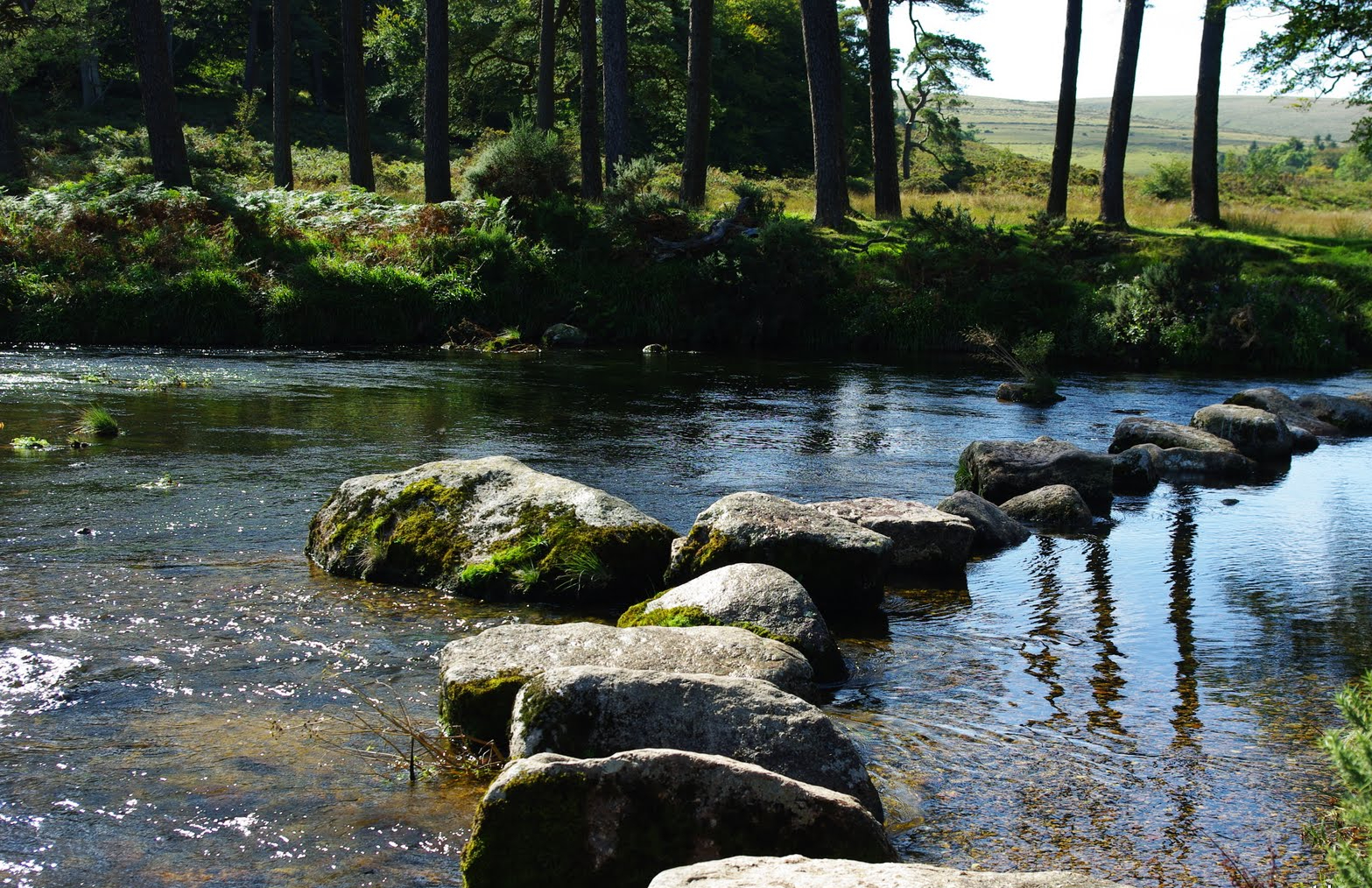
Other great picnic spots include the Dunnabridge Pond and the River West Dart Stepping Stones. This easy walk follows the path of the moors and is less than one hour to complete, and it’s a little over 2 km. You will come across stepping stones, quiet spots to watch the wildlife, and the judge’s chair. Along the path, you can see remnants of a footpath that was at one point used by fishermen and guests who stayed at the nearby Prince Hall. This walk offers many places to visit and explore, making it a great walk to do with your family.
Another excellent family-friendly option is the Fernworthy Reservoir Walk. This easy-to-follow trail circles the reservoir, offering stunning views of the water and surrounding moorland. The path is well-maintained and relatively flat, making it suitable for pushchairs and young children. Along the way, you'll find information boards about the local flora and fauna, adding an educational element to the walk. The reservoir is also a great place for a spot of birdwatching, with various species of waterfowl and waders frequenting the area.
For a bit of history and adventure, the Stone Rows at Merrivale walk is a fantastic choice. This easy circular walk is very popular, primarily due to its easy access. Starts at the Four Winds car park. You will be walking along a route that has many relics of the moors’ industrial past and other historical remnants, such as the cobbles made for London Bridge. This easy walk is between 6-7 km and takes around 2 hours to complete.
Challenging Walks for the Adventurous
For those who crave a more demanding adventure, Dartmoor has no shortage of challenging walks that will test your endurance and reward you with unforgettable views.
A formidable challenge is the Dartmoor Ten Tors Challenge, an annual event that attracts hundreds of participants. While the official event is restricted to youth groups, the route itself can be tackled by anyone looking for a serious walking challenge. The challenge involves navigating between ten specified tors, covering distances of 56, 72, or 89 km, depending on the chosen route. The terrain is tough and often boggy, and the weather can be unpredictable, making this one of the most demanding walks in Dartmoor. However, the sense of achievement upon completing the route is immense.
If you want something that challenges you over the course of a couple of days, then the Dartmoor Perambulation is the walk for you. Starting in Princetown, it goes as far as the Eastern White Barrow and should take you 3 days to complete this circular excursion. It covers around 82km of distance, and the highest point is around 616 m. This remote moorland walk requires preparation and experience, but it’s worth it. You will get stunning views and visit sections of the moorlands not commonly visited.

For a shorter but equally taxing walk, the High Willhays and Yes Tor Route is a great option. This circular walk starts at Meldon Reservoir and ascends to the two highest points on Dartmoor, High Willhays and Yes Tor. The climb is steep and rocky, but the panoramic views from the summits are breathtaking. On a clear day, you can see for miles across the moor and beyond, making the effort well worth it. This walk is best suited to experienced walkers with a good level of fitness, as the terrain can be challenging and navigation is essential.
Seasonal Highlights: Best Times to Walk Dartmoor
Dartmoor's landscapes change dramatically with the seasons, each offering its own unique charm and challenges.
Spring is a wonderful time to explore Dartmoor, as the moorland comes alive with blooming wildflowers and the fresh green of new leaves. The weather is generally mild, making it ideal for walking, and the longer daylight hours mean you can enjoy extended walks. Spring is also a great time for birdwatching, with many species returning to the moor to nest and raise their young.
Summer is perhaps the most popular time for walking in Dartmoor, with warm temperatures and long days providing perfect conditions for outdoor adventures. The heather-covered moors are a sight to behold, with vibrant purple blooms stretching as far as the eye can see. However, summer can also bring crowds, so consider setting off early in the morning or exploring some of the lesser-known trails.
Autumn is a magical time to visit Dartmoor, with the landscape transformed by the rich hues of golden leaves and russet bracken. The cooler temperatures make for comfortable walking conditions, and the moor is less crowded than in the summer months.
Winter moorland takes on a stark, otherworldly beauty, with frost-covered grass and mist-shrouded tors. The weather can be unpredictable, with sudden changes and potentially harsh conditions, so it's essential to be well-prepared. Despite the challenges, a winter walk in Dartmoor offers a sense of tranquillity and solitude that is hard to find at other times of the year.
Wildlife and Natural Beauty Along the Trails
Dartmoor is a haven for wildlife, with a rich diversity of species inhabiting its varied landscapes. As you walk the trails, keep an eye out for some of the moor's most iconic animals. Dartmoor ponies are perhaps the most famous residents, and these hardy creatures can often be seen grazing on the open moorland. While they are used to human presence, it's important to admire them from a distance and not to feed them, as it can disrupt their natural diet and behaviour.
Birdwatchers will find plenty to delight in Dartmoor, with a variety of species to spot throughout the year. The moor is home to skylarks, meadow pipits, and stonechats, while the rivers and wetlands attract waders like curlews and snipe. In the woodlands, you might catch a glimpse of birds of prey such as buzzards and kestrels, or even the elusive goshawk. Spring and autumn are particularly good times for birdwatching, as migratory species pass through the area.
The plant life in Dartmoor is equally fascinating, with a mix of hardy moorland species and lush woodland flora. In the spring and summer, the moors are carpeted with wildflowers, including heather, gorse, and bluebells. The ancient woodlands are home to a variety of ferns, mosses, and lichens, creating a verdant, almost prehistoric atmosphere. Dartmoor's rivers and streams support a range of aquatic plants, while the mires and bogs are home to unique species such as sundews and bog asphodel.
Embrace the Beauty of Dartmoor Walks
Dartmoor is a truly unique destination that offers something for every type of walker. Whether you're seeking a leisurely family stroll, a challenging walk, or a chance to immerse yourself in nature and history, Dartmoor has it all. The region's stunning landscapes, rich wildlife, and historical significance make it a place of endless discovery and adventure.
So lace up your walking boots, pack your essentials, and set out to discover the best Dartmoor walks. Scenic trails await you, revealing the breathtaking beauty of this remarkable region. Embrace the journey, and let Dartmoor's wild and wonderful landscapes inspire and rejuvenate you.
 Cornwood, Hangar Down via Hangar Cottage & Moor Cross
  Visorando Member


 Moderate

 Easy
Easy  Difficult













 Very difficult