


Refine your search for walks in La Ville-aux-Clercs
La Ville-aux-Clercs walks


 Walking trails in La Ville-aux-Clercs: Blue route
 Visorando Member
 6.00 mi
 +69 ft
 -69 ft
 2h 50
2h 50
 Easy
Easy
 Departure from La Ville-aux-Clercs (Loir-et-Cher)
Of the four walking routes on offer around La Ville-aux-Clercs, here is the Blue route.
Walking trails in La Ville-aux-Clercs: Red route
 6.49 mi
+164 ft
-141 ft
3h 05
Easy
Departure from La Ville-aux-Clercs (Loir-et-Cher)
6.49 mi
+164 ft
-141 ft
3h 05
Easy
Departure from La Ville-aux-Clercs (Loir-et-Cher)
La Ville-aux-Clercs offers four walking routes that are also suitable for mountain bikes: here is the Red route in the heart of the Perche Vendômois region.
Circular walk starting from Rahart
 6.94 mi
+108 ft
-128 ft
3h 15
6.94 mi
+108 ft
-128 ft
3h 15
 Moderate
Departure from Rahart (Loir-et-Cher)
Moderate
Departure from Rahart (Loir-et-Cher)
A lovely walk with plenty of sections through the woods.
Hiking is all about having ‘fun’, and even if it’s ‘customary’ to pass through the ‘desert’, don’t worry – you’ll always make it to the church.
Le Chamort from Pezou
5.96 mi
+203 ft
-177 ft
2h 55
Easy
Departure from Pezou (Loir-et-Cher)
An easy, very pleasant walk through woods (pleasant in hot weather), across the plain and with a beautiful view of the Loir valley.
Lisle via the Loir
 5.50 mi
+16 ft
-16 ft
2h 35
Easy
Departure from Saint-Firmin-des-Prés (Loir-et-Cher)
5.50 mi
+16 ft
-16 ft
2h 35
Easy
Departure from Saint-Firmin-des-Prés (Loir-et-Cher)
A pleasant and easy walk on either side of the Loir.
Petit Pont to Azé circular route
4.32 mi
+226 ft
-217 ft
2h 10
Easy
Departure from Azé (Loir-et-Cher)
An easy, family-friendly walk in a lovely little village.
The Réveillon stream at Meslay
3.40 mi
+7 ft
-7 ft
1h 35
Easy
Departure from Meslay (Loir-et-Cher) (Loir-et-Cher)
A short walk starting from Meslay, passing the Château de Meslay, then following the Réveillon stream and winding through the village’s fields
Short circular loop in Areines
4.65 mi
+131 ft
-131 ft
2h 15
Easy
Departure from Areines (Loir-et-Cher)
Lovely views over the Vendôme area and the Loir Valley.
Between Beauce and Perche from Cloyes-sur-le-Loir
 Association / Club / Walk leader
 12.10 mi
+381 ft
-377 ft
5h 55
12.10 mi
+381 ft
-377 ft
5h 55
 Difficult
Departure from Cloyes-sur-le-Loir (Eure-et-Loir)
Difficult
Departure from Cloyes-sur-le-Loir (Eure-et-Loir)
Located between Beauce and Perche, at the crossroads of the Loir Valley and the Route du Blé, Cloyes-sur-le-Loir is a sleeping beauty on the banks of the Loir. This pretty town combines modernity and heritage. The hike takes you through the countryside with its valleys, forests and rolling hills, which are sure to charm you.
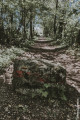
Along the Boulon in Mazangé
 5.93 mi
+259 ft
-259 ft
2h 55
Easy
Departure from Mazangé (Loir-et-Cher)
5.93 mi
+259 ft
-259 ft
2h 55
Easy
Departure from Mazangé (Loir-et-Cher)
A very beautiful walk along the Boulon Valley.
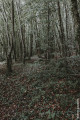
Lunay Pond
 6.00 mi
+269 ft
-276 ft
3h 00
Easy
Departure from Lunay (Loir-et-Cher)
6.00 mi
+269 ft
-276 ft
3h 00
Easy
Departure from Lunay (Loir-et-Cher)
A pleasant little walk through woods and vineyards.
The Yerre Valley
 Tourism professional11.03 mi
+262 ft
-262 ft
5h 20
Moderate
Departure from Saint-Hilaire-sur-Yerre (Eure-et-Loir)
Tourism professional11.03 mi
+262 ft
-262 ft
5h 20
Moderate
Departure from Saint-Hilaire-sur-Yerre (Eure-et-Loir)
The Yerre river approaches, accompanied by scents and sounds that it seems to have carried from the depths of the forest, before flowing along the edge of the Perche region and joining the Loir river above Cloyes.
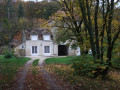
The Houzée from Malignas
 6.48 mi
+253 ft
-266 ft
3h 10
Easy
Departure from Crucheray (Loir-et-Cher)
6.48 mi
+253 ft
-266 ft
3h 10
Easy
Departure from Crucheray (Loir-et-Cher)
Walk through the woods and along the Houzée valley with its beautiful mills. Very beautiful valley.
Along the hillside of Thoré-la-Rochette
 6.47 mi
+394 ft
-390 ft
3h 20
Moderate
Departure from Thoré-la-Rochette (Loir-et-Cher)
6.47 mi
+394 ft
-390 ft
3h 20
Moderate
Departure from Thoré-la-Rochette (Loir-et-Cher)
This route will take you from the world of vineyards to the defence line of the Saint-Rimay Tunnel. From cellars to blockhouses, you will also discover two restoration projects led by the Résurgence association along the way.
A beautiful view of the Loir valley will accompany you for much of your journey.
Circular walk around Saint-Pierre Chapel in Vouvray and the ponds
6.40 mi
+62 ft
-62 ft
3h 00
Easy
Departure from Douy (Eure-et-Loir)
Walk starting from the car park at Douy church to explore Courgain Mill, situated at the bridge over the Loir. The route then passes near a castle at La Boulidière, descends along the road between the ponds and then follows a path towards the Vouvray footbridge to the old wash house and Saint-Pierre Chapel. The return journey follows the same route for part of the way, then veers off to skirt the ponds of the Basse Plaine, where you can spot coots and grey herons. The end of the walk leads to another bridge over the Loir, then past the Château du Prieuré before returning to Douy church.
The cave dwellings of Les Roches-Lévêque
4.25 mi
+351 ft
-348 ft
2h 15
Easy
Departure from Les Roches-l'Évêque (Loir-et-Cher)
Situated between the Loir and the rock on the hillside, this route allows you to discover a picturesque natural heritage, typical of the Loir Valley and its troglodyte dwellings.
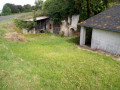
Walk in the woods of Houssay
 5.93 mi
+328 ft
-331 ft
3h 00
Easy
Departure from Houssay (Loir-et-Cher)
5.93 mi
+328 ft
-331 ft
3h 00
Easy
Departure from Houssay (Loir-et-Cher)
Pleasant walk except at the start. Beautiful valleys and woods.
The châteaux around Lanneray
12.64 mi
+197 ft
-200 ft
6h 00
Difficult
Departure from Lanneray (Eure-et-Loir)
Dating from different periods, the three châteaux of Lanneray mark your route through landscapes of woods, plains and valleys.
The woods of Saint-Martin
 Tourist office
 11.34 mi
+367 ft
-364 ft
5h 30
Moderate
Departure from Châteaudun (Eure-et-Loir)
11.34 mi
+367 ft
-364 ft
5h 30
Moderate
Departure from Châteaudun (Eure-et-Loir)
Situated on the natural boundary formed by the River Loir between the Beauce and the Perche regions, Châteaudun is built on a rocky outcrop. The route takes you to Île Chemars along the River Loir before heading towards the Bois de Saint-Martin near Saint-Denis-les-Ponts.
The Boisvinet Ponds
 7.59 mi
+302 ft
-308 ft
3h 45
Moderate
Departure from Le Plessis-Dorin (Loir-et-Cher)
7.59 mi
+302 ft
-308 ft
3h 45
Moderate
Departure from Le Plessis-Dorin (Loir-et-Cher)
This route takes you along quiet country lanes, paths through the bocage and forest trails, and will introduce you to the Étangs de Boisvinet. You will also pass the glassworks, which operated until 1952 and was the subject of a book by Daphne du Maurier, *The Glass Blowers*.