Walking in the Largest Heather Moorland: North York Moors
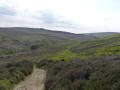
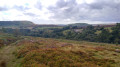
The North York Moors is one of the most distinctive walking landscapes in England, defined by its vast heather-covered plateaus, deeply cut valleys, and stunning coastline. Unlike more mountainous national parks, the terrain here feels open and expansive, with wide horizons. This combination makes North York Moors walks particularly appealing to those who value space, changing scenery, and a quieter walking experience.
Located in North Yorkshire, the national park offers an unusually broad range of terrain within a compact area. Walkers can move from sheltered woodland paths and river valleys to exposed moorland ridges and coastal cliff paths within a single day. This variety makes it suitable for both casual walkers looking for short scenic routes and experienced walkers seeking longer, more committing days on the moors.
Easy North York Moors Walks (10–13 km routes)
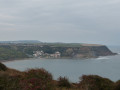
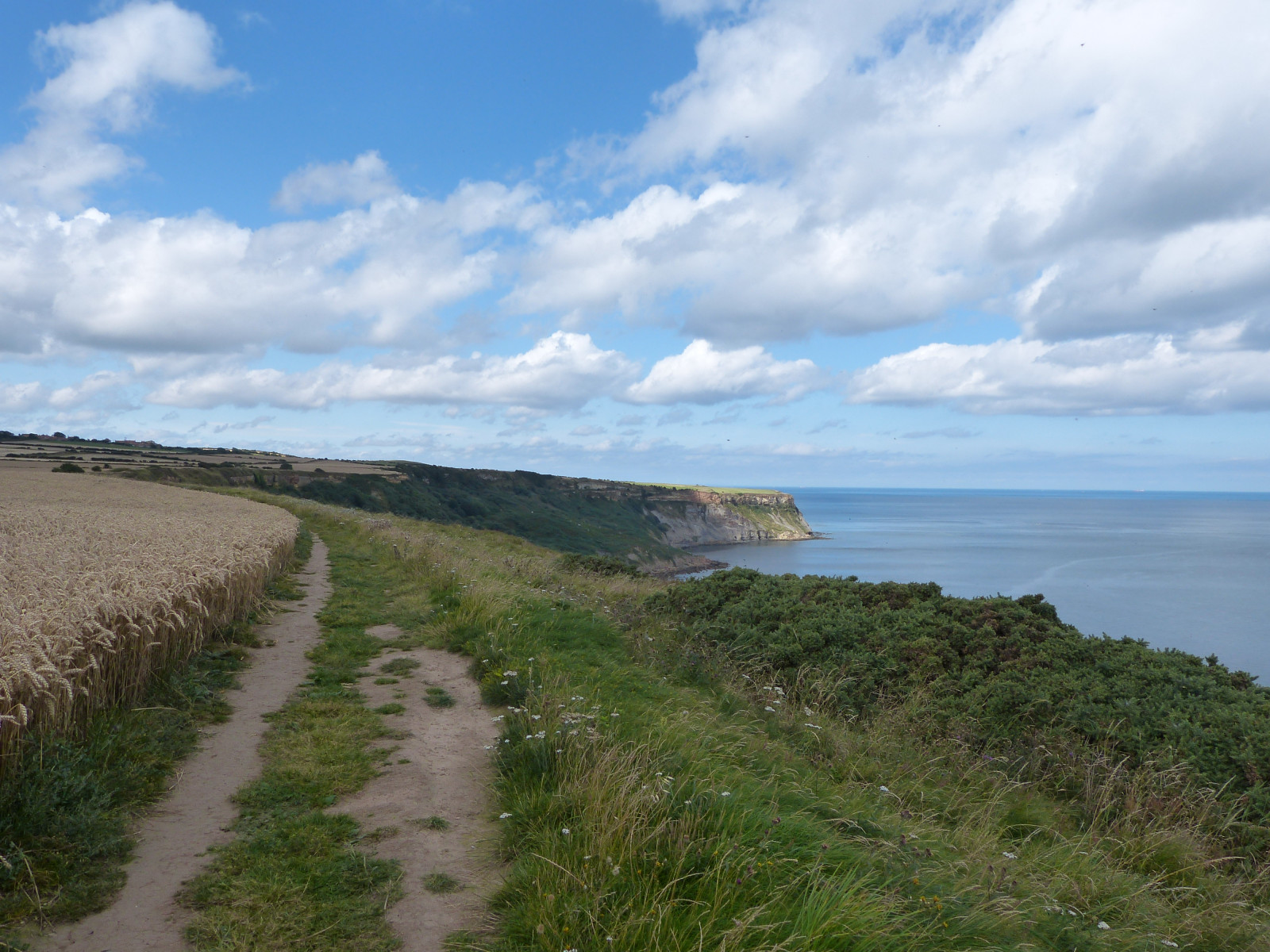
One of the most accessible coastal routes in the area is the Sandsend Coastal walk near Lythe. Starting from Sandsend car park, this 10–11 km route follows a stretch of the Yorkshire coast where wide, quiet beaches meet low cliffs and open farmland. The terrain alternates between firm sandy sections and slightly uneven cliff-top paths, with a few steeper stair sections that require moderate effort but are short-lived, with the highest point being 147 m. On clear days, the visibility along the coastline is excellent, and the relative lack of crowds compared to nearby Whitby makes this route feel notably calmer. It typically takes around 3–4 hours and works well for walkers wanting sea views without committing to a long or technical route.
The market town of Helmsley provides one of the most practical bases for easy North York Moors walks. Routes here form a network rather than a single defined trail, allowing walkers to tailor distance and difficulty. Paths follow the River Rye, pass through mixed woodland, and cross open farmland with generally gentle gradients. Some sections are well-surfaced and suitable for those needing more accessible terrain. The area also offers a concentration of landmarks, including Helmsley Castle and the nearby Helmsley Walled Garden, making it easy to combine walking with shorter stops. This balance of accessibility, scenery, and facilities makes Helmsley one of the most versatile starting points in the park.
For a slightly longer but still manageable route, the Dale Head walk from Rosedale Abbey introduces walkers to the transition between valley and moorland landscapes. Beginning near the village, the route climbs gradually from sheltered farmland into more open terrain, reaching around 13 km in total distance. The ascent is about 227 m and is steady rather than steep, but the shift in exposure becomes noticeable as you reach the highest point of 293 m, where wind conditions can change quickly. Along the route, remnants of the area’s industrial past, particularly ironstone mining features and old railway lines, add historical context to the landscape. This walk typically takes just over 4 hours and is well-suited to those looking to progress beyond flat valley routes without committing to a full-day walk.
Moderate North York Moors Walks (14–19 km routes)
The Baysdale route from Hob Hole is one of the quieter options in the national park, offering a strong sense of remoteness without extreme difficulty. Covering approximately 15 km, the route follows grassy tracks, moorland paths and lightly defined trails where navigation requires some attention. Throughout this 5-hour walk, you pass through long stretches without encountering roads or settlements, creating a genuinely isolated atmosphere. This makes it particularly appealing for walkers seeking solitude or those exploring with dogs in quieter surroundings.
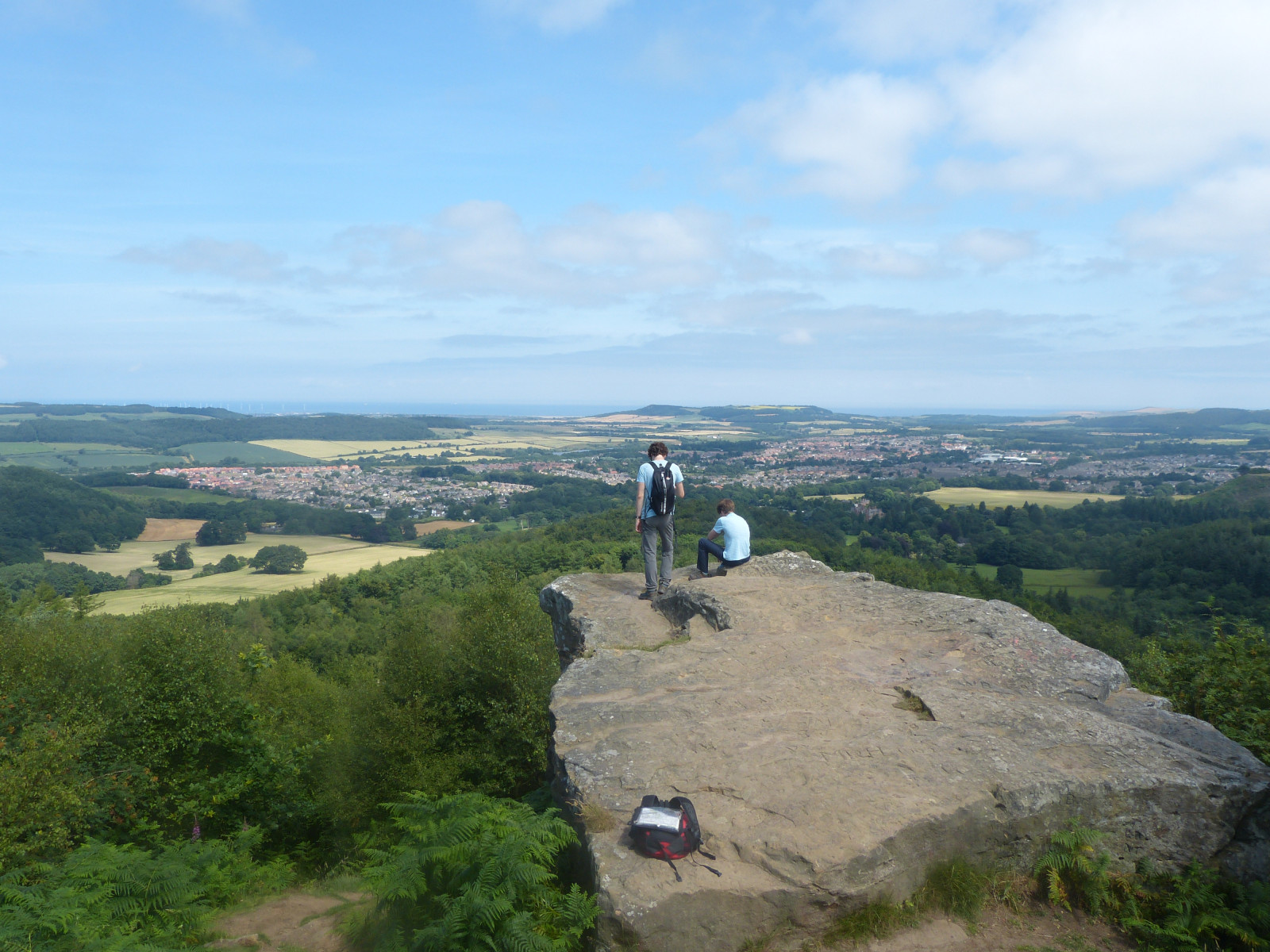
For a more physically demanding 5-hour walk, the circular route linking Roseberry Topping, the Hanging Stone and Highcliff Nab is the moderate option. At just under 14 km, this route delivers a high concentration of viewpoints in a relatively short distance. The climb up Roseberry Topping is the most physically demanding section, involving a steep, stepped ascent that can feel strenuous, particularly in wet or windy conditions. However, the summit provides panoramic views across Teesside and the Cleveland plain, with the highest point being 308 m. The remainder of the route undulates across open ground and moorland edges, with frequent vantage points that make it especially popular with photographers.
The Farndale circuit, starting from Low Mill, is one of the most complete moderate routes in the region at around 19 km. The walk begins with its most demanding climb, gaining elevation relatively quickly before opening out into broader, more gradual terrain. Once on the higher ground (the highest point being 377 m), the route becomes more flowing, with extended views across the valley and fewer obstacles underfoot. The combination of valley walking, moorland exposure, and historical features creates a route that feels varied throughout its 6+ hour duration.
Long Distance Walking: The Cleveland Way
The Cleveland Way is the defining long-distance route of the North York Moors and one of the most established National Trails in England. Extending for approximately 175 km from Helmsley to Filey Brigg, it showcases the full range of landscapes found across North Yorkshire.
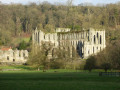
The trail begins across open moorland, where wide, exposed ridgelines dominate, and navigation can feel more committing, particularly in poor weather. It then passes through wooded valleys and historically significant sites such as Rievaulx Abbey, before transitioning toward the coast.
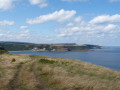
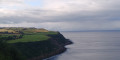
The coastal section is often considered the highlight, with continuous cliff-top paths overlooking the North Sea, interspersed with traditional fishing villages including Robin Hood’s Bay. Here, the terrain becomes more undulating, with frequent ascents and descents that can add to the physical challenge despite lower elevations.
First opened in 1969, the Cleveland Way remains one of the most popular long-distance walking routes in England due to its accessibility, clear waymarking, and the variety of environments it connects within a single continuous trail.
Walking the North York Moors Through the Seasons
Walking conditions in the North York Moors vary significantly throughout the year, and understanding these changes can make a noticeable difference to the overall experience.
In spring, the landscape begins to soften, with new growth across the valleys and increased wildlife activity. However, paths, particularly in lower areas, can remain muddy and slippery, requiring appropriate footwear and slightly slower pacing.
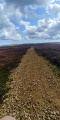
Summer is the most stable and accessible season, when long daylight hours allow for extended routes and the moorland turns purple with blooming heather. While conditions are generally favourable, exposed sections offer little shelter from sun or wind, making preparation important even in good weather.
Autumn introduces more atmospheric conditions, with cooler temperatures and shifting colours across the landscape. Visibility can vary due to morning mist, particularly in valleys, which adds a different character to familiar routes but may require more careful navigation.
Winter presents the most challenging conditions. Frost, snow, and strong winds are common on higher ground, and visibility can drop quickly. While the landscape becomes more striking and quiet, conditions require preparation for rapid weather changes and more demanding terrain.
Why the North York Moors is a Standout Walking Destination
What sets the North York Moors apart is the concentration of contrasting landscapes within a relatively small geographic area. Few regions allow walkers to transition so quickly between coastal cliffs, open moorland, wooded valleys, and historic sites without long travel distances.
This diversity creates a walking experience that feels continuously changing rather than repetitive. Even shorter routes can offer a mix of terrain and viewpoints, while longer walks, such as the Cleveland Way, provide a more complete immersion into the region.
For walkers seeking a balance between accessibility and a sense of space, the North York Moors remains one of the most consistently rewarding destinations in the UK.
 Rievaulx
  Visorando Member


 Moderate
 Easy
Easy 
 Difficult