Refine your search for walks in Mazangé
Mazangé walks


 Along the Boulon in Mazangé
 Visorando Member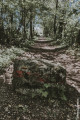
 5.93 mi
 +259 ft
 -259 ft
 2h 55
2h 55
 Easy
Easy
 Departure from Mazangé (Loir-et-Cher)
A very beautiful walk along the Boulon Valley.
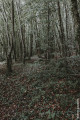
Lunay Pond
 6.00 mi
+269 ft
-276 ft
3h 00
Easy
Departure from Lunay (Loir-et-Cher)
6.00 mi
+269 ft
-276 ft
3h 00
Easy
Departure from Lunay (Loir-et-Cher)
A pleasant little walk through woods and vineyards.
Petit Pont to Azé circular route
4.32 mi
+226 ft
-217 ft
2h 10
Easy
Departure from Azé (Loir-et-Cher)
An easy, family-friendly walk in a lovely little village.
Along the hillside of Thoré-la-Rochette
 6.47 mi
+394 ft
-390 ft
3h 20
6.47 mi
+394 ft
-390 ft
3h 20
 Moderate
Departure from Thoré-la-Rochette (Loir-et-Cher)
Moderate
Departure from Thoré-la-Rochette (Loir-et-Cher)
This route will take you from the world of vineyards to the defence line of the Saint-Rimay Tunnel. From cellars to blockhouses, you will also discover two restoration projects led by the Résurgence association along the way.
A beautiful view of the Loir valley will accompany you for much of your journey.
The cave dwellings of Les Roches-Lévêque
4.25 mi
+351 ft
-348 ft
2h 15
Easy
Departure from Les Roches-l'Évêque (Loir-et-Cher)
Situated between the Loir and the rock on the hillside, this route allows you to discover a picturesque natural heritage, typical of the Loir Valley and its troglodyte dwellings.
Circular route around Buissay
 5.51 mi
+174 ft
-174 ft
2h 40
Easy
Departure from Azé (Loir-et-Cher)
5.51 mi
+174 ft
-174 ft
2h 40
Easy
Departure from Azé (Loir-et-Cher)
A walk through the forest along the Boulon and through beautiful valleys. A family walk.
Walk in the woods of Houssay
 5.93 mi
+328 ft
-331 ft
3h 00
Easy
Departure from Houssay (Loir-et-Cher)
5.93 mi
+328 ft
-331 ft
3h 00
Easy
Departure from Houssay (Loir-et-Cher)
Pleasant walk except at the start. Beautiful valleys and woods.
Circular walk starting from Rahart
 6.94 mi
+108 ft
-128 ft
3h 15
Moderate
Departure from Rahart (Loir-et-Cher)
6.94 mi
+108 ft
-128 ft
3h 15
Moderate
Departure from Rahart (Loir-et-Cher)
A lovely walk with plenty of sections through the woods.
Hiking is all about having ‘fun’, and even if it’s ‘customary’ to pass through the ‘desert’, don’t worry – you’ll always make it to the church.
The Réveillon stream at Meslay
3.40 mi
+7 ft
-7 ft
1h 35
Easy
Departure from Meslay (Loir-et-Cher) (Loir-et-Cher)
A short walk starting from Meslay, passing the Château de Meslay, then following the Réveillon stream and winding through the village’s fields
Short circular loop in Areines
4.65 mi
+131 ft
-131 ft
2h 15
Easy
Departure from Areines (Loir-et-Cher)
Lovely views over the Vendôme area and the Loir Valley.
Lisle via the Loir
 5.50 mi
+16 ft
-16 ft
2h 35
Easy
Departure from Saint-Firmin-des-Prés (Loir-et-Cher)
5.50 mi
+16 ft
-16 ft
2h 35
Easy
Departure from Saint-Firmin-des-Prés (Loir-et-Cher)
A pleasant and easy walk on either side of the Loir.
Les Galouries and the La Mutte quarries
4.83 mi
+308 ft
-341 ft
2h 30
Easy
Departure from Sargé-sur-Braye (Loir-et-Cher)
An easy circular walk. One point of interest is the La Mutte quarries, which for many centuries produced the stone known as ‘roussard’, used in construction throughout the region. This stone is easily spotted on houses in the village of Sargé-sur-Braye, amongst other places. A picnic table (seating 6 people) is available at these quarries.
 From the Gaudinière Forest to the Gratteloup Valley
13.07 mi
+318 ft
-328 ft
4 hrs
Moderate
Departure from La Ville-aux-Clercs (Loir-et-Cher)
Starting from the centre of Ville-aux-Clercs, set off to explore the ruins of the Château de la Gaudinière and the estate of the Duke of La Rochefoucault as you cross its woodland. Continue along the Gratteloup valley before returning to the village lake after catching a glimpse of the Chapel of Sainte-Radegonde.
The Houzée from Malignas
 6.48 mi
+253 ft
-266 ft
3h 10
Easy
Departure from Crucheray (Loir-et-Cher)
6.48 mi
+253 ft
-266 ft
3h 10
Easy
Departure from Crucheray (Loir-et-Cher)
Walk through the woods and along the Houzée valley with its beautiful mills. Very beautiful valley.
La Ville-aux-Clercs walking trails: Yellow route
 9.65 mi
+135 ft
-151 ft
4h 35
Moderate
Departure from La Ville-aux-Clercs (Loir-et-Cher)
9.65 mi
+135 ft
-151 ft
4h 35
Moderate
Departure from La Ville-aux-Clercs (Loir-et-Cher)
La Ville-aux-Clercs offers four walking routes that are also suitable for mountain biking. This is the longest one, passing by the Étangs du Milieu and the Étangs du Souci. (Geocaching on this route).