South Downs Walking Guide: Discover the Best Walks the South Downs Has to Offer
Spanning more than 670 km² across Hampshire, West Sussex, and East Sussex, South Downs National Park is one of England’s most rewarding landscapes for walkers. Defined by rolling chalk hills, open grasslands, ancient woodlands, and a dramatic stretch of coastline, it offers a sense of space that’s increasingly rare. Whether you’re looking for a short circular walk with easy parking or a multi-day route across the Downs, the variety here makes it easy to find something that fits.
What makes walking in the South Downs particularly appealing is the balance between accessibility and variation. The terrain is rarely extreme, but it changes constantly with open ridgelines giving way to wooded paths, quiet valleys that lead into historic villages, and coastal routes shifting between cliff edges and river estuaries. It’s a landscape shaped as much by centuries of farming and settlement as by nature, and that gives each route a sense of depth rather than just scenery.
Whether you have a couple of hours or several days, this is a place where walking feels immersive without being demanding.
Easy Walks: Relaxed Routes With Great Views (3–16 km)
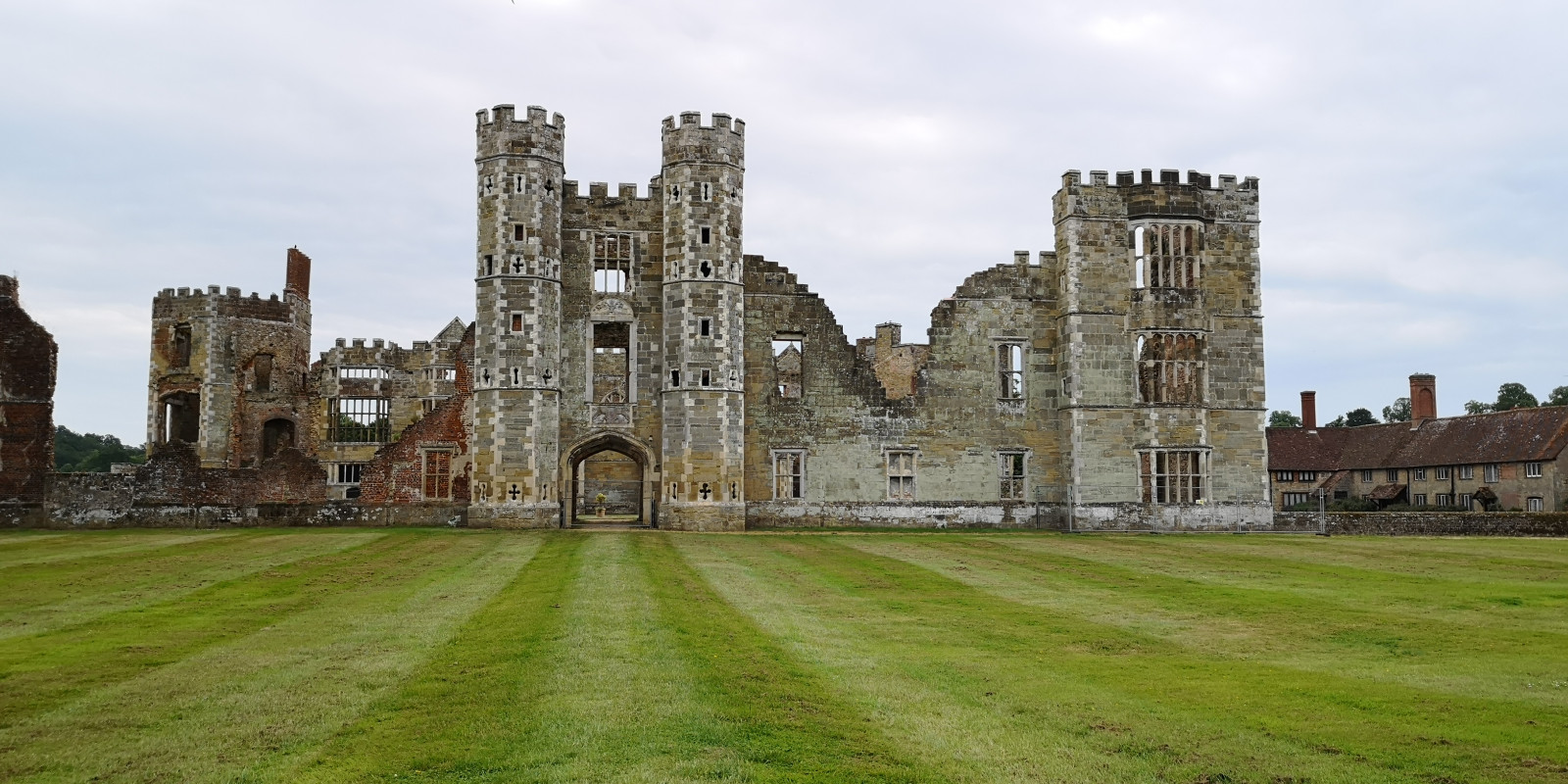
The Cowdray Castle circular walk near Midhurst is one of the best short walks in the area if you’re looking for something under an hour. At roughly 3 km, it’s flat and easy to follow, starting from the Cowdray Park car park. The route loops around the ruins of the 16th-century castle, once visited by Henry VIII and Elizabeth I. It’s particularly good in early morning or late afternoon when the light softens across the open grounds. If you want a short walk with a clear focal point and minimal navigation, this is one of the easiest wins.
For a longer but equally accessible option, the Meon Valley Trail is one of the most practical traffic-free routes in the South Downs. Running for around 16 km along a disused railway line, it has a compact, even surface that works well for families, cyclists, and pushchairs. You can join at Wickham, West Meon, or several smaller access points, all with nearby parking. Because it’s relatively flat and exposed, it’s best suited to mild weather, since on hot summer days, the lack of shade can make it feel more demanding than expected.
The Cheriton Mill and Tichborne circular route offers around 9 km of gentle countryside walking and is a good step up if you want something quieter. Starting near Cheriton, it passes through open farmland, small lanes, and stretches of chalk path. In dry conditions, it’s an easy-going walk; after rain, the chalk sections can become slippery, especially on gradual descents.
Moderate Walks: More Elevation, More Variety (8–14 km)
The Arundel Park and the River Arun circular walk is one of the most balanced routes in the area. Starting at the car park near the river, it covers roughly 11–12 km and typically takes 3-4 hours. The route combines open parkland, riverside paths, and elevated viewpoints overlooking Arundel Castle. It’s a good choice if you want a mix of scenery rather than a single landscape type. The main thing to watch for is mud; sections near the river can become boggy after rain, so waterproof footwear makes a noticeable difference even in otherwise dry conditions.
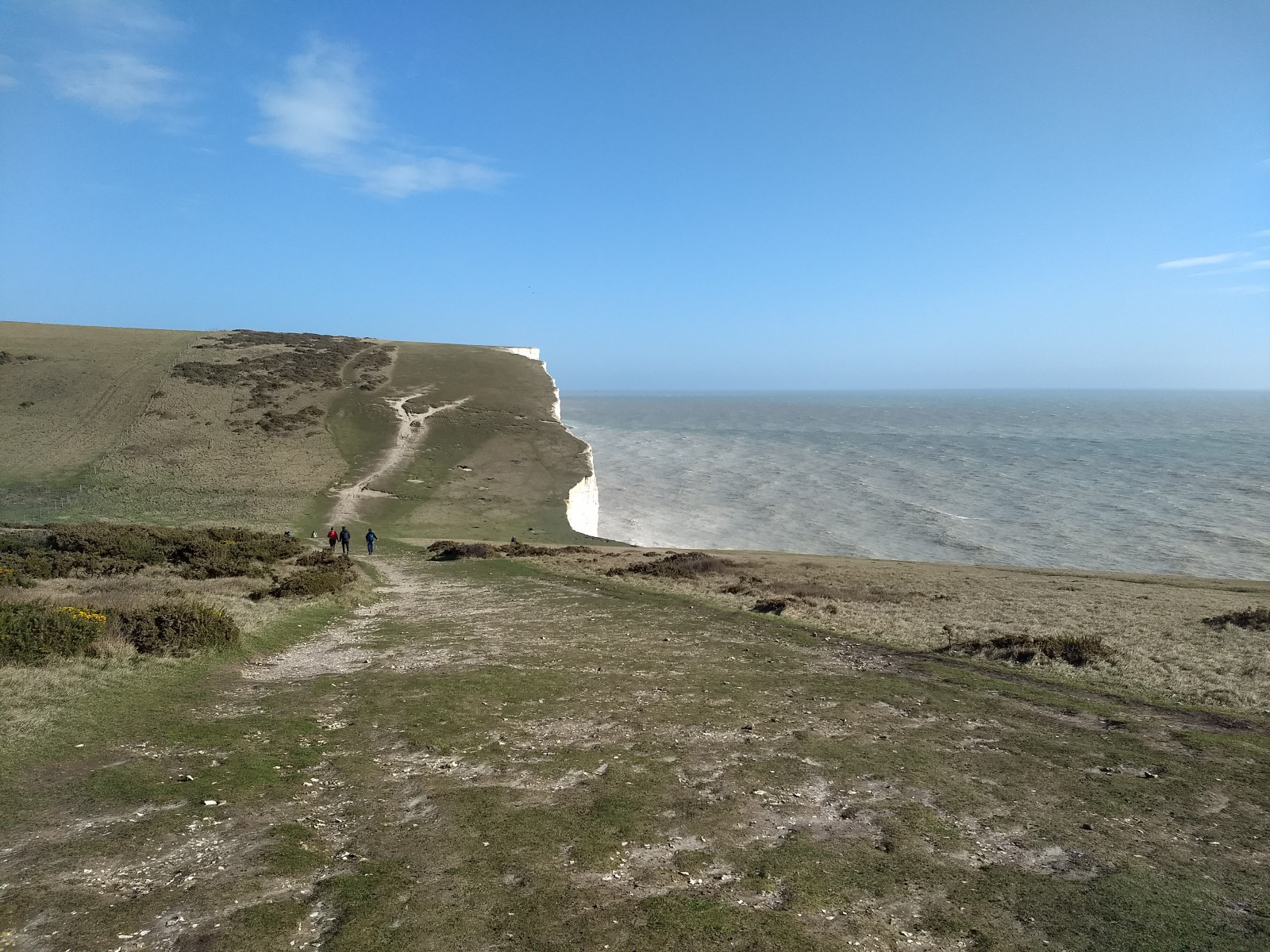
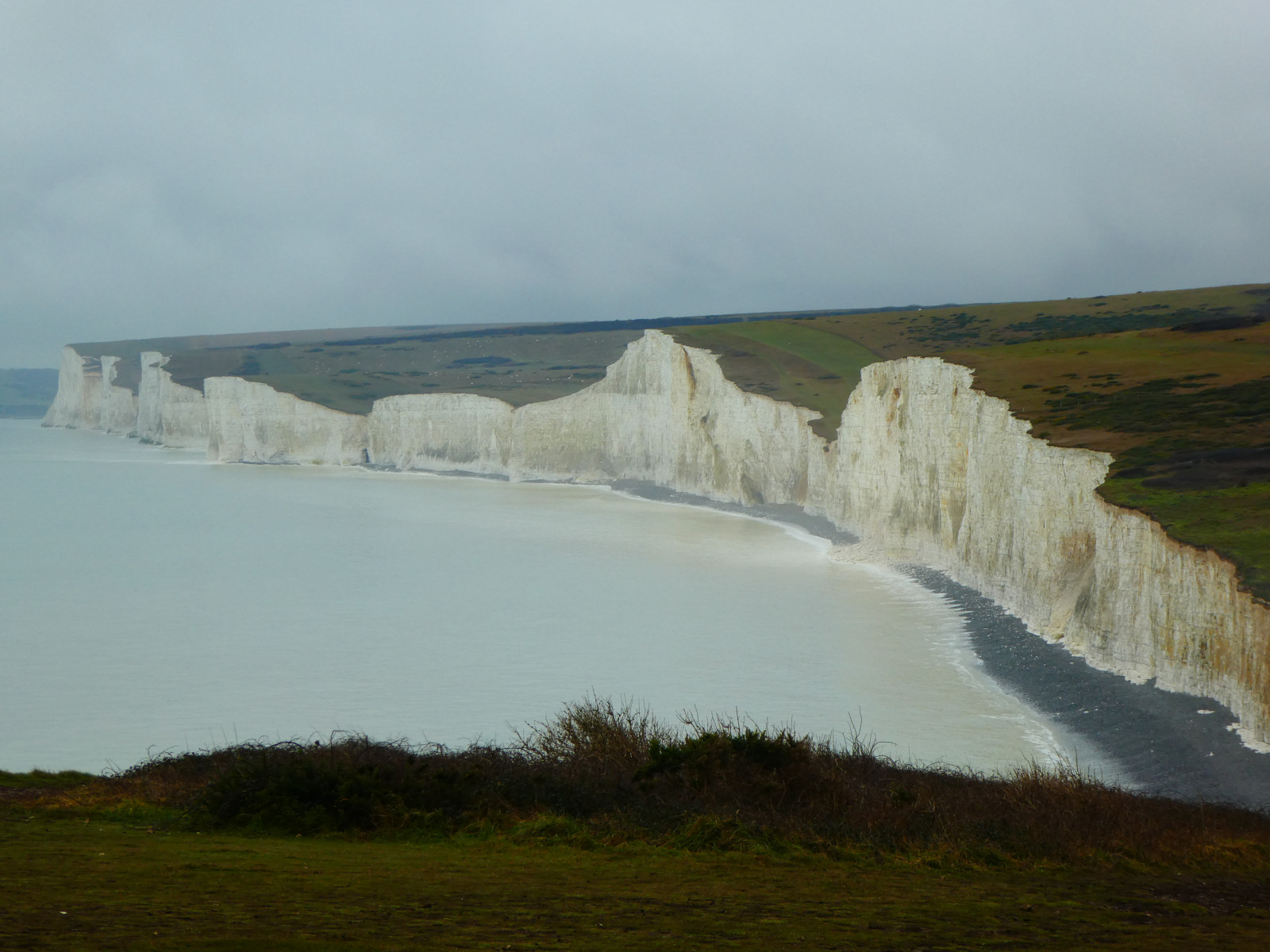
The Seven Sisters cliff walk is easily one of the most iconic coastal walks in southern England. Covering around 8 km between Seaford and Birling Gap, it’s not long in distance but feels more demanding due to repeated climbs over chalk headlands. Total elevation gain is roughly 300–400 m, which is enough to make it feel like a workout, especially in warm weather. There’s very little shade, and the cliff edges are exposed, so wind and sun both play a role. If you’re deciding when to go, early morning or late afternoon offers the best balance of light and lower foot traffic, particularly in summer.
For a route that blends coastal and inland scenery, the Cuckmere Haven circular walk is one of the most varied options. At around 13–14 km, it typically takes 5 hours depending on pace. Starting from the Cuckmere Haven car park, the route follows the meandering river toward the sea before looping inland through Friston Forest. This is a good choice if you want contrast, open views along the estuary, followed by more sheltered woodland paths.
The South Downs Way: What to Expect From the Full Route
The South Downs Way runs for 160 km from Winchester to Eastbourne and is the defining long-distance trail in the region. For many walkers, it’s the main reason to visit.
Most people complete it over eight to nine days, with a total ascent exceeding 4,000 m. While that sounds significant, the gradient is usually gradual rather than steep, and the trail is well signposted throughout. Navigation is rarely the main challenge; the difficulty comes from maintaining consistent daily distances, often between 15 and 25 km.
One of the key characteristics of the route is its extended ridgeline sections. These provide uninterrupted views across the countryside and, on clear days, out to the English Channel. At the same time, this exposure means conditions can change quickly. Wind, sun, and lack of shade are often bigger factors than terrain, so planning around the forecast matters more here than on shorter, sheltered walks.
Accommodation is relatively easy to organise. You’ll pass through or near villages at regular intervals, with pubs, B&Bs, and small hotels available along the route. This makes it possible to walk the trail without carrying camping gear, which significantly reduces the physical load.
If you’re not planning to complete the entire route, walking a section, such as Winchester to Amberley or Lewes to Eastbourne, still gives a strong sense of what makes it special. Even a single day on the South Downs Way captures the defining rhythm of the landscape.
Choosing the Right Walk for Your Time and Conditions
With so many options, choosing the right route often comes down to a few practical factors rather than just distance.
If you’re short on time or want something simple, routes like Cowdray or sections of the Meon Valley Trail are easy to access and require minimal planning. For a half-day walk with more variation, Arundel or Cuckmere Haven offers a better balance of scenery and distance.
The weather also plays a bigger role than many expect. On hot days, exposed routes like the Seven Sisters or the South Downs Way ridgelines can feel significantly harder due to a lack of shade. In contrast, woodland sections around places like Friston Forest offer more shelter. After rain, chalk paths across the Downs can become slick, particularly on descents, which can slow your pace more than the distance itself.
Parking and access are generally straightforward, but popular spots, especially along the coast, fill up quickly on weekends. Arriving earlier in the day or choosing a less well-known inland route can make a noticeable difference to the overall experience.
What Makes Walking in the South Downs Distinctive
The appeal of the South Downs isn’t about dramatic peaks or extreme terrain. Instead, it comes from consistency, the way the landscape unfolds gradually rather than all at once.
The chalk hills create wide, open views that shift subtly as you move. Because large sections are free of dense woodland, you’re rarely cut off from the surrounding landscape, which creates a continuous sense of space. This makes it particularly appealing if you enjoy walking for the experience itself rather than focusing on a single viewpoint.
Wildlife adds another layer. The chalk grasslands support a wide range of species, including butterflies like the Adonis blue, along with wildflowers that change through the seasons. It’s the kind of place where small details, light across the hills, shifting weather, distant views, become part of the experience.
There’s also a strong cultural presence. Many footpaths follow historic routes, passing through farmland and villages that have been part of the landscape for centuries. It doesn’t feel remote in the way some national parks do, but that sense of continuity is part of its character.
Walking Through the Seasons
Conditions in the South Downs vary throughout the year, and timing can shape your experience as much as route choice.
Spring brings fresh green hills and wildflowers, along with longer daylight hours. Some paths remain muddy after winter, but it’s one of the most visually rewarding times to walk.
Summer offers the most reliable conditions, with dry ground and long days. However, exposed routes can feel hot, and coastal paths become busy, particularly on weekends and holidays.
Autumn is often the most balanced season. Cooler temperatures, softer light, and fewer crowds make it especially well-suited to longer walks or sections of the South Downs Way.
Winter can feel stark and exposed, with strong winds across ridgelines and shorter days limiting distance. That said, clear winter days often provide the best visibility, and quieter trails can make even popular routes feel more remote.
More Than Just a Walk
Walking in the South Downs isn’t just about reaching a viewpoint or completing a route. It’s about moving through a landscape that changes gradually, where distance, light, and weather shape the experience as much as the terrain itself.
Whether you choose a short circular walk with easy access or take on a longer section of the South Downs Way, the appeal lies in the balance between simplicity and depth. It’s not a place that tries to overwhelm, but it consistently rewards attention, which is often what brings people back.
 Arundel Park and the River Arun from Arundel
  Visorando Member


 Moderate

 Easy
Easy 

 Association / Club / Walk leader



 Difficult