


The Best Walks in Stirling: Trails for All Levels
Set in the heart of central Scotland, the historic district of Stirling is surrounded by some of the country’s most beautiful landscapes. From woodland trails and gentle lochside paths to more challenging hill climbs, there is no shortage of routes to explore. Whether you’re visiting for a short break or live nearby, the area offers a mix of history, scenery, and accessibility that’s hard to beat.
This district is best known for walkers as it holds part of the eastern shore of The Loch Lomond and the Trossachs National Park. So, for some of the most stunning scenery in all of Scotland, this is the area to visit.
Easy walks perfect for beginners and families around Stirling
A simple, easy walk you can do is the Airthrey Loch, located on the grounds of the University of Stirling. This is a short, flat loop (roughly 2-3 km depending on the exact route) that circles a peaceful man-made loch with wide paths and minimal elevation. It’s one of the most relaxed walks in the area, suitable for almost all abilities, and it’s popular with both locals and visitors who want something calm and scenic without leaving the city edge. The route offers constant views across the water, with swans, ducks, and occasional herons often seen along the shoreline.
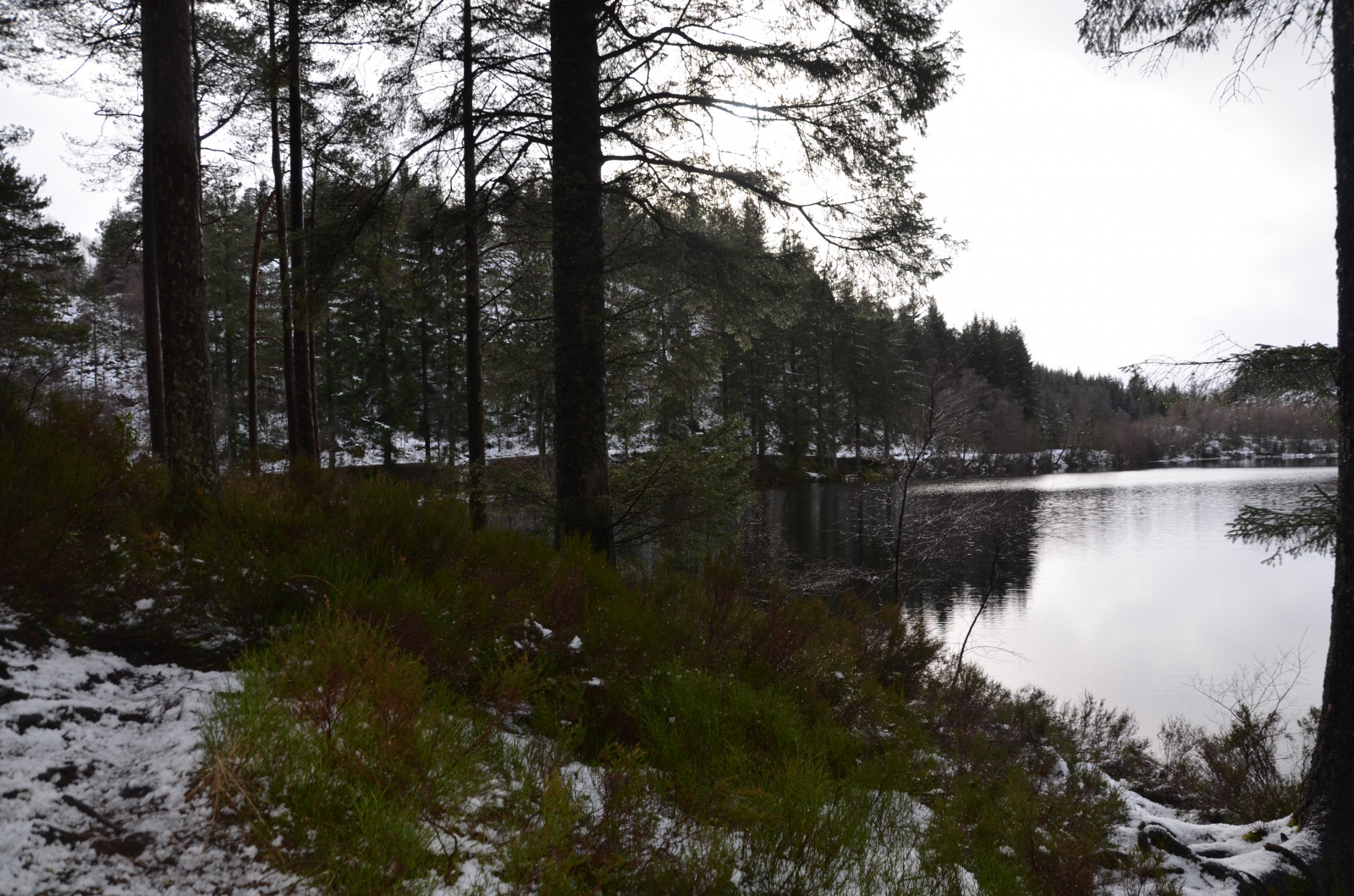
A great walk for all seasons is the Loch Ard Sculpture Trail. This simple walk follows the sculpture trail (waymarked in red) and offers walkers many different waymarked paths if they choose to mix things up. This specific walk is perfect for dog walking and is about 7 km and takes a little over 2 hours to complete.
The Darn Walk is a pleasant and easy riverside route linking Bridge of Allan and Dunblane, covering about 3 km one way (around 6 km return) on mostly flat, well-maintained paths. Following the banks of the Allan Water, the walk passes through peaceful woodland, shaded trails, and open riverside sections, offering a quiet, scenic experience with plenty of wildlife and seasonal colour, especially in autumn. It typically takes 45–60 minutes each way and is suitable for walking, jogging, or cycling, with only occasional muddy patches after rain. Starting near the centre of Bridge of Allan and finishing in Dunblane close to Dunblane Cathedral, the route is as convenient as it is relaxing, making it a great low-effort outdoor option.
Moderate Walks in Stirling and Nearby
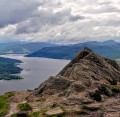
Another excellent option is the Rob Roy’s Cave trail, a scenic circular route near Loch Ard, also in the Loch Lomond and The Trossachs National Park, roughly 50 minutes drive away from the city of Stirling. Covering about 7 km, it passes through woodland, open countryside, and along the lochside. Highlights include the historic cave linked to Rob Roy MacGregor and a series of artistic installations that add interest along the way.
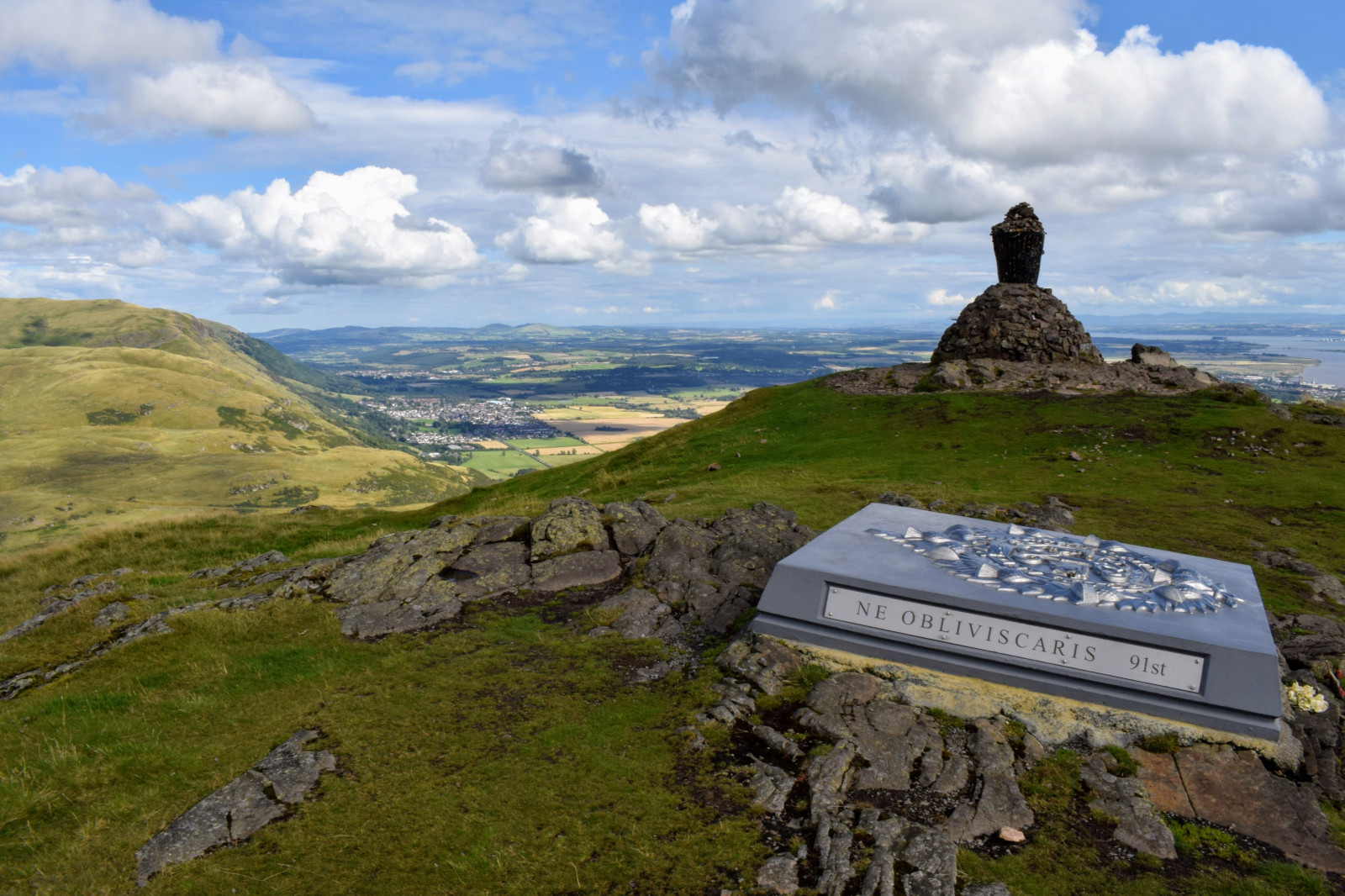
A straightforward moderate walk from Sheriffmuir is the Dumyat hill walk. Just north of the city of Stirling and starting in the Pendreich Forestry car park, this walk on clear days offers incredible views, especially of the city of Stirling. This moderate walk is a little over 6 km in length and takes just about 2 hours. Overall, this circular walk is perfect for a short outing, well worth it for the view.
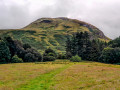
King’s Seat Hill is a moderately rewarding summit located just southeast of the city of Stirling, sitting on the edge of the Carron Valley. It rises to about 377 meters and is part of the Campsie Fells range. From the top, you can see across central Scotland, on a clear day and even distant peaks like those in the Highlands. The summit itself is grassy and rounded, giving it a broad, open feel rather than a sharp peak. There are several paths that lead up from nearby parking lots and are perfect year-round.
It’s part of the West Highland Way
The section of the West Highland Way that passes through the Stirling area offers a particularly rewarding introduction to the route, combining accessibility with classic Highland scenery. This stretch begins as the trail leaves the outskirts of Milngavie and moves northward toward Drymen, the first settlement within the Stirling council boundary. From here, the landscape starts to feel more rural and expansive, with open farmland gradually giving way to wilder terrain.
One of the highlights of this section is the climb over Conic Hill, which, although relatively modest in height, provides some of the most iconic views on the entire route. From its summit, walkers are rewarded with sweeping panoramas across Loch Lomond and the scattered islands along the Highland Boundary Fault, marking the transition between Lowland and Highland landscapes.
Continuing north, the path reaches Balmaha on the eastern shore of Loch Lomond, a key stopping point within the Stirling area. This part of the route is especially popular for day walks, as it combines manageable distances (often around 10–15 km depending on the section) with some of the most visually striking scenery on the trail. The proximity to Stirling makes it easy to access, while still offering a genuine sense of escape into nature.
Overall, the Stirling section of the West Highland Way captures a transition point in the journey, where gentle lowland paths begin to give way to more rugged Highland terrain, making it one of the most varied and memorable parts of the entire route, even when experienced in shorter segments.
Walking through the seasons
One of the most appealing aspects of exploring this area is how much the experience changes throughout the year.
Spring is a particularly pleasant time to get outdoors. Trails come alive with fresh greenery and wildflowers, especially around the River Forth and nearby countryside. While rain is still fairly common, the quieter paths and mild temperatures make it a great season to explore.
Summer brings longer daylight hours and generally more stable conditions. This makes it ideal for longer outings, although popular spots can become busy. Even so, the vibrant landscapes and clearer views make it a favourite time for many visitors.
Autumn is often considered the most scenic season. Woodlands and hills turn rich shades of gold, orange, and red, especially in areas around the Trossachs. While weather conditions become more unpredictable, the quieter trails and dramatic colours make it especially rewarding.
Winter offers a more challenging but atmospheric experience. Snow and ice can affect higher routes, and daylight hours are limited. However, on clear days, the scenery can be spectacular. Lower-level paths remain accessible, while higher ground should only be attempted with proper preparation and equipment.
Why explore walks around Stirling
What makes this area stand out is the sheer variety within a relatively small region. In a single day, it’s possible to move from gentle riverside paths to panoramic hilltop views, all without travelling far.
The combination of natural beauty, historical landmarks, and easy access to nearby national parks means there’s always something new to discover. Whether you’re after a short, peaceful stroll or a more demanding climb, the options available make it easy to find a route that suits your pace.
With so many landscapes and experiences packed into one area, it’s no surprise that this part of Scotland continues to be a favourite for walkers of all levels.
 The Bracklinn Falls in Callander
  Visorando Member


 Easy
Easy 
 Moderate
 Tourism professional

 Difficult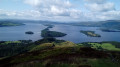




 Association / Club / Walk leader
 National Park
 Very difficult