


The Best New Forest Walks: Trails, Wildlife & History
Lace up your boots and step into the enchanting landscape of the New Forest, a magical haven in southwest Hampshire, England. This historic forest inspired Alice Liddell, who inspired Lewis Carroll’s Alice in Wonderland, and today offers hundreds of miles of trails for walkers of all levels. Whether you seek a short family-friendly walk or a longer walking adventure, the New Forest connects you with nature, wildlife, and centuries of history.
What to Discover on New Forest Walks
The New Forest is not just visually stunning; it’s a living storybook. Winding woodland paths, open pastures, and hidden clearings provide a haven for photographers, writers, and nature lovers alike. Trails cater to every interest, from ancient woodland paths with towering firs and oaks to wildlife-rich meadows perfect for spotting free-roaming ponies and deer, as well as historic village routes dotted with medieval churches and heritage sites. Whether you are seeking a stroll or a full-day hike, New Forest walks offer unforgettable experiences at every turn.
Ancient Woodland & Unique Landscapes
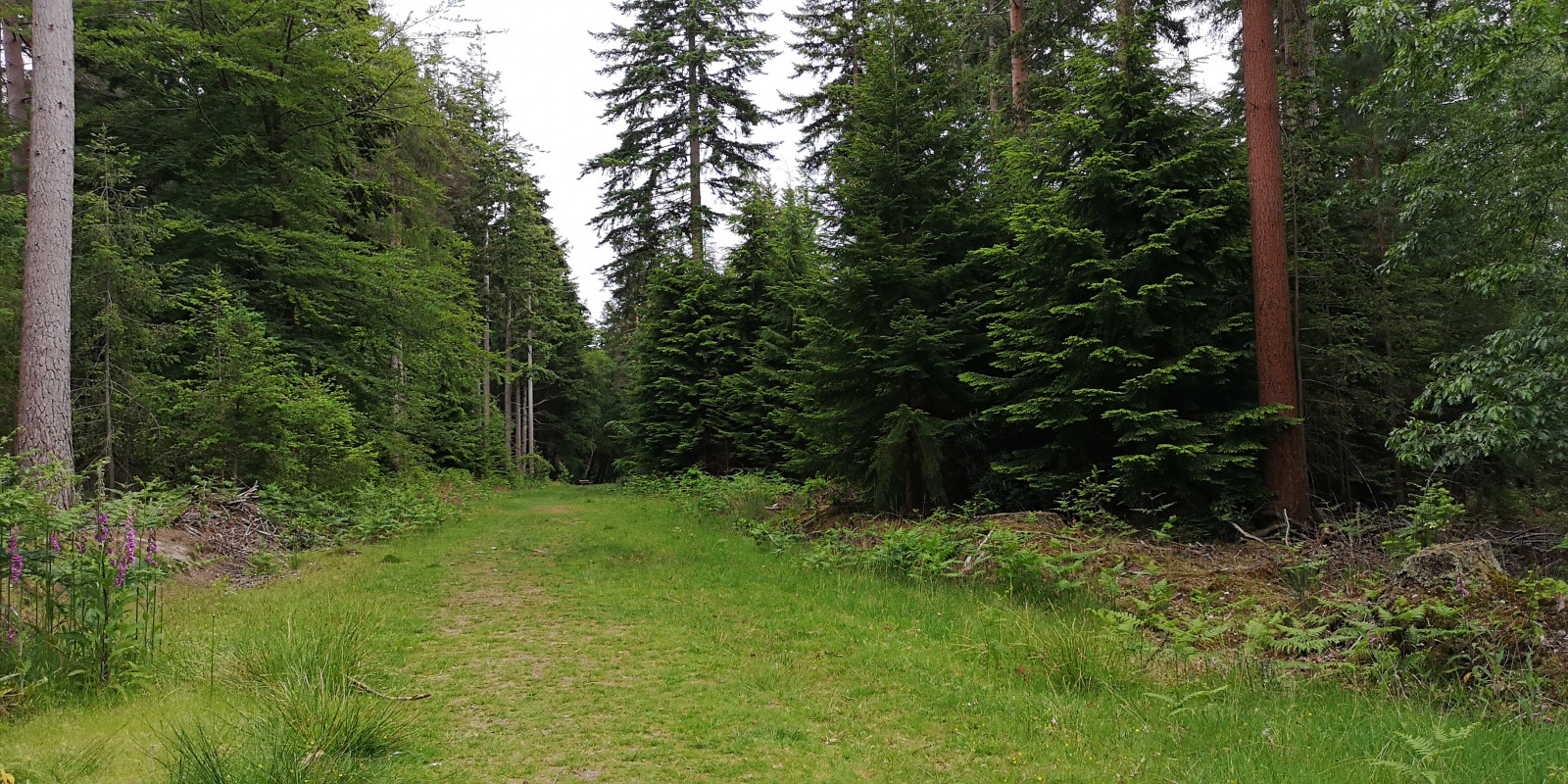
Established in 1079 by William the Conqueror as a royal hunting ground, similar to Epping Forest, the New Forest is one of England’s oldest surviving forests. Its unique mix of ancient woodland, heathland, and pasture supports rare species and feels untouched by time.
One delightful walk to experience this beauty is the Blackwater: Heartwood Trail. At just over a kilometre long, it can be completed in around 20 minutes and allows walkers to admire some of the forest’s oldest fir trees, planted in the 1850s. Along the way, benches provide perfect resting spots amid serene woodland scenery, making this trail ideal for a gentle, reflective walk.
Spot Free-Roaming Wildlife
One of its most iconic features is the free-roaming ponies, cattle, and deer, which wander the forest paths and meadows. These animals aren’t just scenic, they’re a living link to centuries of traditional forest management. Spotting a New Forest pony grazing by a quiet lane can be a deeply moving moment.
A charming example is the Bolderwood Deer Watch Trail, a short walk of less than a kilometre that takes around 20 minutes. This path leads to a viewing platform overlooking open fields where herds of wild fallow deer roam freely, offering an unforgettable moment for wildlife enthusiasts.
Rich History & Heritage Trails
Beyond nature, the New Forest is steeped in history and folklore. Ancient earthworks, old settlements, and medieval churches dot the area. It’s a place where you can sense layers of human history blending with the natural world.
Located in Boldre, the Boldre Village walk is an excellent choice for combining these concepts. Covering just under 7 km, this trail takes roughly 2 hours to complete and winds through country lanes, farmland, and the historic St John the Baptist Church. Walkers also encounter a woodland nature reserve along the route. With a gentle ascent of only 64 m, it’s accessible to most walkers, providing a rich sense of the forest’s layered history while still immersing you in its natural charm.
Tips for Walking in the New Forest
The best time to explore the New Forest is during spring and autumn, when wildflowers bloom, and wildlife is most active. Many trails are suitable for families, casual walkers, and even dogs on leads. Essential items for a safe and enjoyable walk include sturdy boots, water, binoculars for wildlife spotting, and a trail map. Whether you’re after a short, scenic stroll or a longer adventure through the forest’s historic and natural wonders, preparation ensures every walk is unforgettable.
What to expect each season in the New Forest
No matter the season, the New Forest offers a wonderland-like experience!
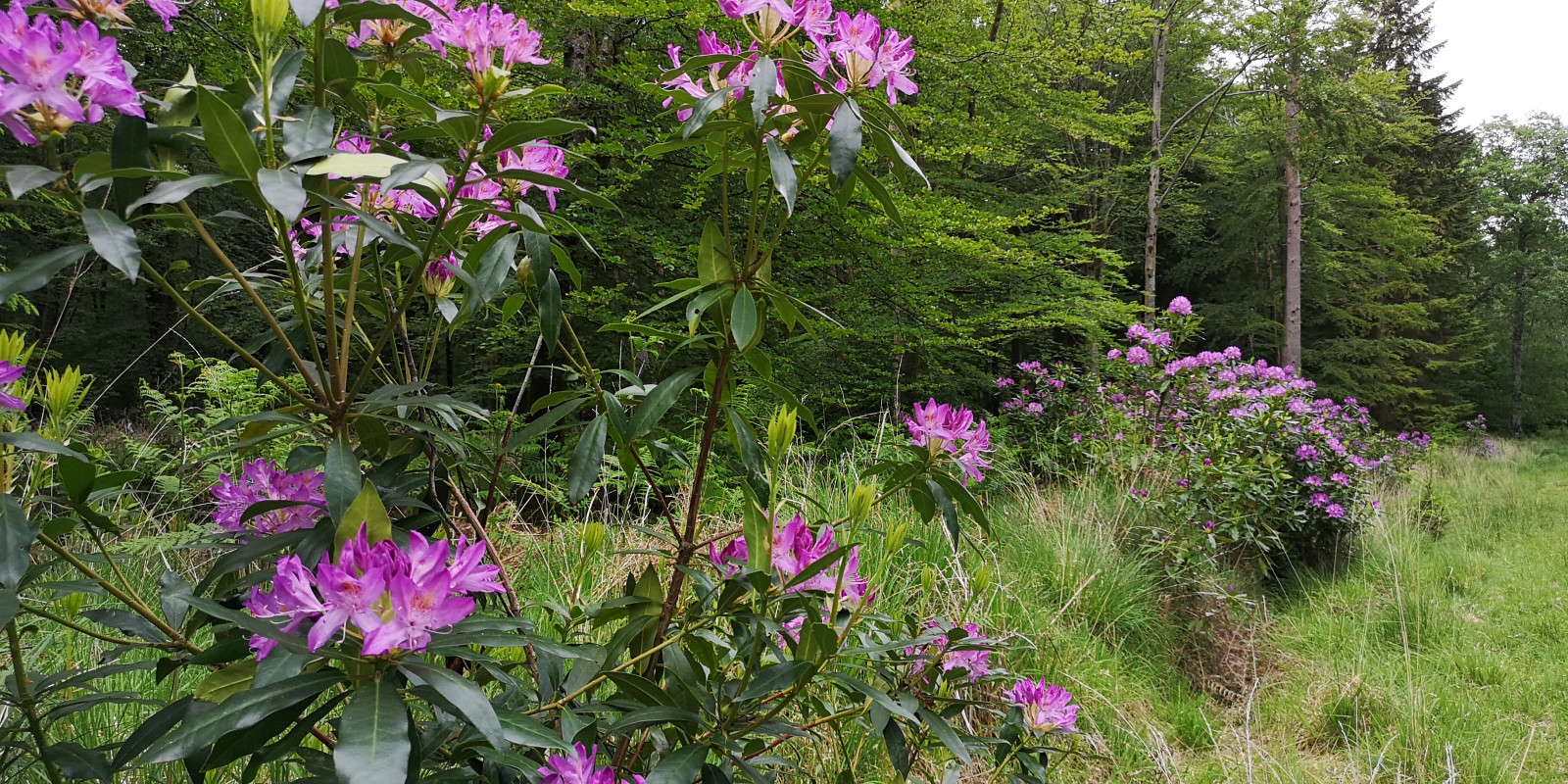
In the spring, you can expect mild temperatures. The forest and heathlands bloom with wildflowers, and young animals like foals and calves appear. Rain showers are occasional but not heavy.
In summer, long daylight hours make it ideal for walking, cycling, and horse riding. It can be busier with tourists, but nevertheless, it’s a stunning time to visit.
Autumn is perfect if you want to see vibrant colours. Trees display rich autumn hues, and foggy mornings are common. Rain increases slightly, and wildlife like deer and ponies are very active.
Winter is cool but not extremely cold. Frosts are possible, and there may be occasional snow, though it’s usually light. The forest can feel quiet and atmospheric, with bare trees and misty landscapes.
Overall, the New Forest rarely experiences extreme heat in summer or harsh winters, making it a pleasant year-round destination for nature walks and wildlife spotting.
Why Walking in the New Forest is So Popular
From quiet woodland paths to historic villages, every New Forest walk is a journey through history, wildlife, and imagination. Whether you want scenic landscapes, encounters with ponies, or literary inspiration, the forest offers it all. Exploring the New Forest on foot is not just exercise, it’s stepping into a living storybook, where every trail has a tale to tell, and every walk leaves a lasting memory.
 Knightwood Oak Stroll
  National Park


 Easy
Easy 
 Visorando Member
 Association / Club / Walk leader
 Average