The Best Norfolk Walks Have To Offer
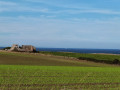
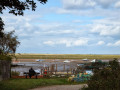
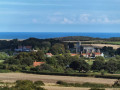
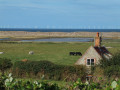
Just north of Suffolk, Norfolk is home to some of the most beautiful and varied walking routes in the UK, from windswept coastal paths and peaceful countryside trails to charming market towns and sprawling nature reserves. Whether you’re looking for a gentle afternoon stroll or a full-day walking adventure, Norfolk offers routes for every kind of walker, with stunning scenery, abundant wildlife, and plenty of hidden gems to discover along the way.
Easy Walks in Norfolk
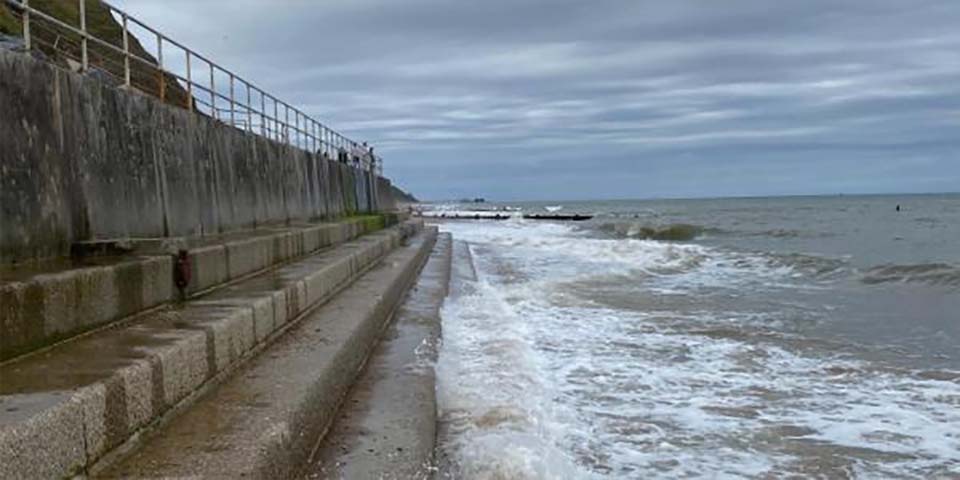
Overstrand High Street to Cromer Pier and Back Walk
Distance: 7.25 km | Duration: 2 Hours 10 minutes | Terrain: Coastal paths, promenade, and beach sections
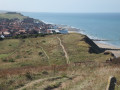
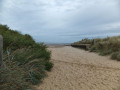
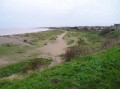
This coastal walk between Overstrand and Cromer Pier showcases some of North Norfolk’s most enjoyable seaside scenery. Starting from Overstrand High Street, the 7 km route follows the coastline towards Cromer Pier before looping back.
Depending on the tide, it can take upwards of 2 hours to complete, and walkers can either use sections of the beach or remain on the clifftop and promenade paths. The route remains fairly flat throughout and is ideal for a relaxed coastal walk with sea views.
Low tide conditions usually provide the best walking experience along the beach sections.
The River Bure & Upton Walk
Distance: 7.98 km | Duration: 2 hours 20 minutes | Terrain: Flat riverside paths and country lanes
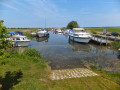
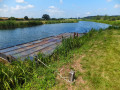
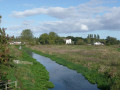
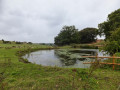
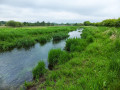
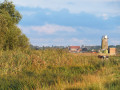
Located near Acle, the River Bure & Upton walk explores a peaceful section of the Norfolk Broads. Beginning from Acle car park, this easy circular route follows quiet 8 km riverside footpaths, open marshland, and small country roads through the villages of Upton and Fishley.
A highlight of the walk is the traditional Norfolk windmill scenery surrounding the River Bure, alongside wide-open views across the Broads landscape. The terrain is mostly flat throughout, making it suitable for beginners, casual walkers, and families looking for a relaxed countryside walk of roughly 2 hours.
Around Burnham Market Walk
Distance: 8.10 km | Duration: 2 Hours 30 minutes | Terrain: Village lanes, countryside trails, and quiet roads
This circular route around the Burnham Market explores several of the picturesque villages that make up this part of North Norfolk. Beginning in Burnham Market itself, this 2–3 hour walk links Burnham Overy Staithe, Burnham Overy Town, and the surrounding countryside trails.
The 8 km route combines open farmland, peaceful village streets, and distant coastal scenery, giving walkers a good sense of the quieter side of Norfolk. Burnham Market is often considered one of the county’s most attractive villages, with traditional flint buildings, independent shops, and local pubs creating a relaxed atmosphere before and after the walk.
Moderate Walks in Norfolk
Walsham to Bacton Woods Walk
Distance: 11.25 km | Duration: 3 Hours 20 Minutes | Terrain: Woodland trails, countryside footpaths, and riverside sections
Beginning in North Walsham, this 11 km circular route explores both the surrounding countryside and the peaceful woodland areas of Bacton Woods.
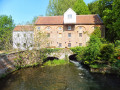
Passing through North Walsham and Bacton Woods, the route combines riverside scenery, quiet farmland, woodland tracks, and historic landmarks such as Ebridge Mill over approximately 3 hours. The variety of landscapes helps this walk stand out compared to many flatter Norfolk routes.
Langley with Hardley Walk
Distance: 12.18 km | Duration: 3 Hours 35 Minutes | Terrain: Quiet country lanes, marsh paths, and farmland tracks
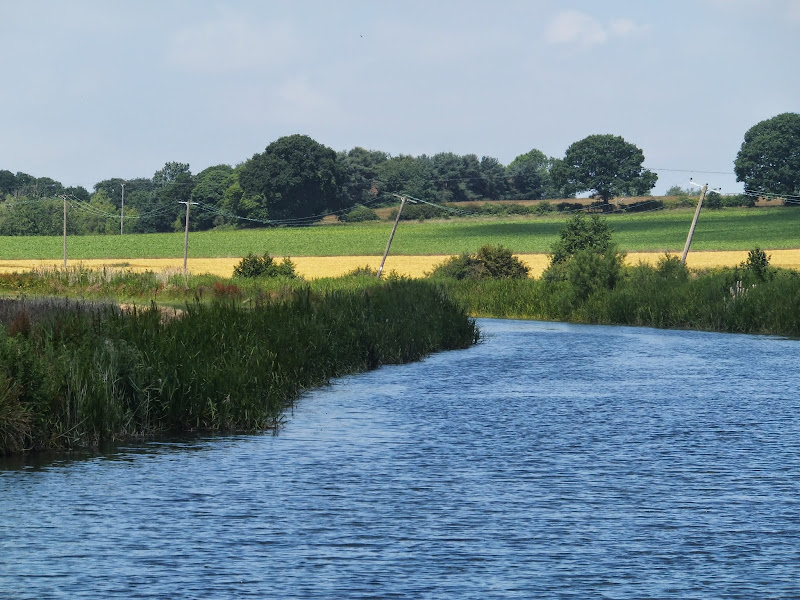
The Langley with Hardley circular route explores part of the Wherryman’s Way and the quieter southern Broads landscape.
Located in Langley with Hardley, the route passes several local landmarks, including Langley Abbey and Hardley Windmill, while following peaceful country lanes and open marshland paths. The scenery throughout the 12 km route is calm and spacious, with large open skies typical of the Norfolk Broads.
The 3-4 hour route feels remote in places despite never being far from small villages and farmland. This is an excellent choice for walkers wanting a quieter alternative to some of Norfolk’s busier coastal routes.
Holkham to Wells Walk
Distance: 14.20 km | Duration: 4 Hours 15 Minutes | Terrain: Sandy paths, coastal trails, and estate tracks
Starting at the Holkham bus stop by the Victoria Hotel, this 4-hour walk follows part of the North Norfolk coastline towards Wells-next-the-Sea.
The 14 km route combines Holkham and Wells beach walking, pine woodland trails, open coastal scenery, and sections through the Holkham Estate. Holkham Beach offers vast stretches of sand and dunes, creating a dramatic landscape unlike anywhere else in East Anglia.
Walkers can also enjoy views of Holkham Hall and its surrounding parkland during parts of the route. Wells-next-the-Sea provides an excellent stopping point with cafés, harbour views, and traditional seaside character before returning.
The Wherryman’s Way: Norfolk’s Best-Known Long Distance Walk
The Wherryman’s Way is one of Norfolk’s most well-known long-distance walking routes, stretching from Norwich to Great Yarmouth through the heart of the Norfolk Broads.
Following the River Yare for much of its route, the trail passes riverside villages, open marshes, historic windmills, and quiet countryside that showcase the unique landscape of the Broads National Park. The terrain is generally gentle, making the route accessible for both experienced hikers and those looking to complete shorter sections over several days.
A big appeal for walkers who do the Wherryman’s Way is the sense of space and tranquillity found along the route. Large skies, slow-moving waterways, and peaceful reedbeds create a calm atmosphere that feels very different from busier national trails elsewhere in England.
Popular Locations for Walking in Norfolk
Thetford Forest
The Norfolk section of Thetford Forest is one of the county’s best destinations for woodland walking. With pine forests, cycling routes, picnic areas, and family-friendly trails, the area offers a completely different landscape compared to the coast and the Broads.
Walking routes range from short accessible woodland loops to longer forest tracks deeper into the surrounding countryside. Wildlife is common throughout the forest, particularly deer and woodland birds, while the shaded paths make summer walking more comfortable during warmer weather.
The forest is also home to several adventure trails and outdoor activity areas, making it particularly popular with families.
Norfolk Coast National Landscape
The Norfolk Coast National Landscape is one of England’s most scenic coastal regions, combining salt marshes, dunes, beaches, cliffs, and nature reserves across a protected stretch of coastline.
Routes such as the walk from Cley to Wells showcase the area’s diverse coastal scenery particularly well. This moderate 4-5 hour coastal walk covers around 16–17 km and passes marshland, beaches, seaside villages, and expansive coastal views.
Birdwatching is especially popular along this section of the coast, with many walkers visiting during migration seasons when wildlife activity is at its highest.
The Broads National Park
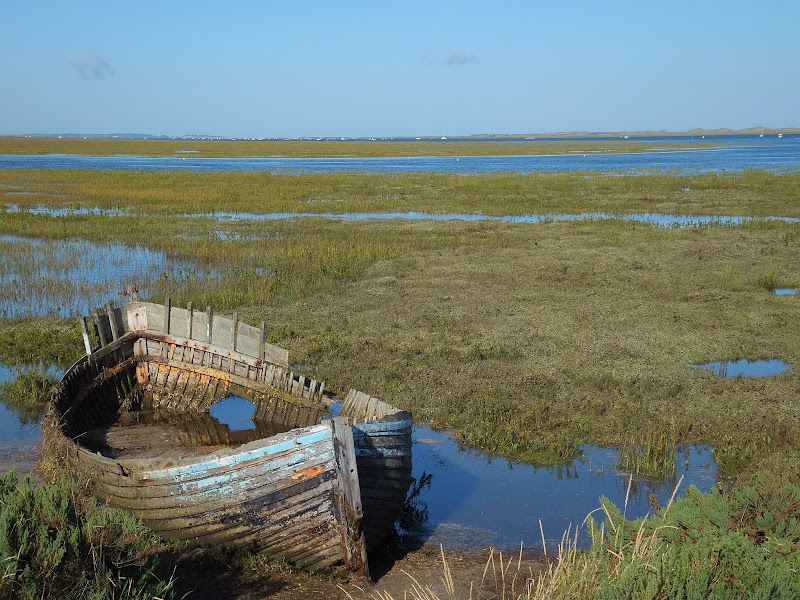
The Broads is Britain’s only predominantly man-made national park, originally formed through medieval peat digging that eventually flooded and created the waterways seen today.
The area now offers some of the most peaceful walking routes in East Anglia, combining riverside trails, marshland footpaths, woodland sections, and small rural villages connected by waterways.
Routes such as Horstead to Heggatt, Happisburgh to Winterton Beach, and Muck Fleet & River Bure highlight the quieter beauty of the Broads, where wildlife, reeds, open water, and slow-moving rivers define the landscape.
The Walking Experience in Each Season of Norfolk
Spring in Norfolk feels fresh and full of renewal. Woodland paths begin turning green again, wildflowers appear across countryside trails, and the marshes become increasingly active with birdsong and wildlife.
The softer temperatures make spring particularly nice for walking in places like the Broads and along inland countryside routes.
Summer brings Norfolk to life with long daylight hours, warmer coastal weather, and vibrant countryside scenery. Beaches, rivers, and walking trails become more active, while the county’s open landscapes still retain a strong sense of calm away from the busiest tourist areas.
Coastal walks are especially rewarding during summer, with sea breezes helping keep temperatures comfortable even on longer routes.
Autumn transforms many of Norfolk’s woodland and marsh landscapes into rich shades of gold, amber, and copper. Cooler temperatures make longer walks more comfortable, while early morning mist across the Broads creates some of the county’s most atmospheric scenery.
Woodland areas such as Thetford Forest and Bacton Woods are particularly scenic during this season.
Winter gives Norfolk a quieter and more dramatic character. Bare trees, reflective waterways, and large open skies create a striking sense of space across the Broads and coastline.
Although some countryside paths may become muddy after heavy rain, winter walks often feel the most peaceful, especially along quieter coastal routes and riverside trails where visitor numbers drop significantly.
Final Thoughts on Walking in Norfolk
From peaceful riverside trails in the Broads to wide sandy beaches and quiet woodland routes, Norfolk offers some of the most varied walking experiences in England. The county’s gentle terrain makes it accessible for casual walkers, while longer coastal and countryside routes still provide enough distance and variety for experienced walkers.
Whether you are exploring the coastline near Cromer, wandering through pine forests in Thetford, or following marshland paths along the Wherryman’s Way, walking in Norfolk combines open scenery, abundant wildlife, and a slower pace of life that makes the county ideal for exploring on foot.
 The River Bure & Upton from Acle
  Visorando Member


 Easy
Easy 


 Moderate


 Difficult