The Best Cairngorms Walks: Exploring Scotland’s Most Mesmerising Mountain Landscape
Covering over 4,500 km² in the eastern Highlands, the Cairngorms National Park is the largest national park in the UK and one of its most striking natural regions. Defined by sweeping mountain plateaus, ancient Caledonian pine forests, and glacial lochs, it offers some of the most diverse and rewarding walking opportunities anywhere in Britain.
At the heart of the park lies Cairn Gorm itself, its name derived from Gaelic, meaning “Blue Hill,” but the wider Cairngorms range extends far beyond a single peak. Whether you are looking for a gentle forest stroll, a scenic lochside walk, or a demanding mountain ascent, the area caters to every level of walker. What sets the Cairngorms apart is not just the scale of its landscapes, but the sense of space and wilderness that is increasingly rare in the UK.
From short forest trails to 15 km mountain routes, the Cairngorms offer walks for every level. This guide breaks down some of the best walks in the Cairngorms. We will also explore what to expect across the seasons and the wildlife that makes this region so unique.
Easy Cairngorms Walks for Beginners and Families
Although the Cairngorms are often associated with rugged peaks and challenging terrain, there are plenty of accessible walks suitable for families and those looking for a more relaxed pace. These routes still showcase the beauty of the region, without requiring advanced fitness or navigation skills.
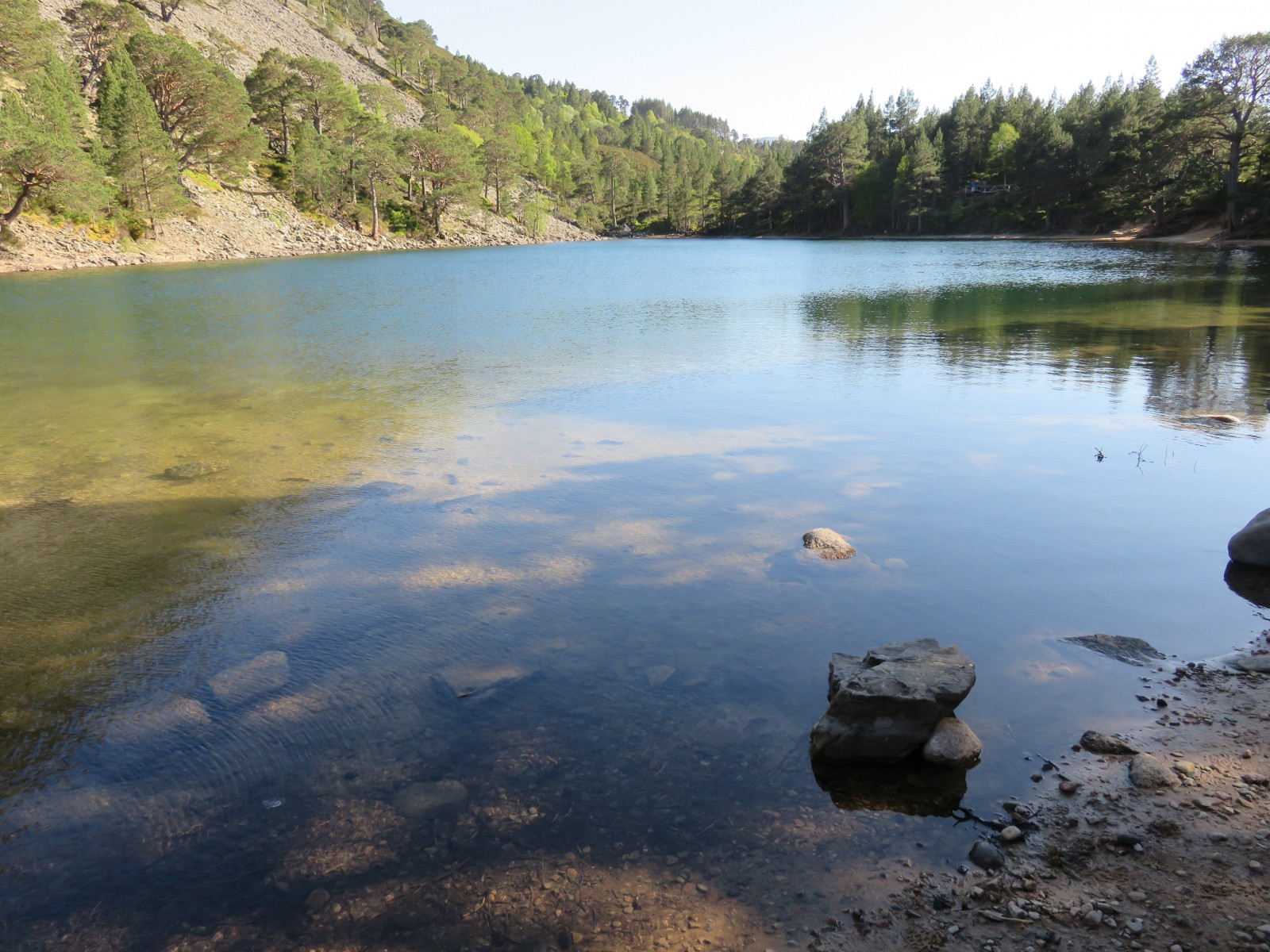
One of the most popular easy walks is found in Glenmore Forest Park. Starting from the visitor centre, this circular route covers approximately 6 km and typically takes around 2 hours to complete. The trail leads through dense Caledonian pine forest, with well-maintained paths that make it straightforward to follow. About halfway through, the woodland opens up to reveal Lochan Uaine, a small, green-tinted loch surrounded by trees. This is a natural resting point and a highlight of the walk, especially on a calm day when the water reflects the surrounding forest.
Another excellent option for families is the walk up Creag Dhubh near Newtonmore. While it involves a steady ascent, it remains manageable for most walkers and is short enough to feel achievable. The route begins near a layby along the A86 and climbs through woodland before opening up to wider views over the surrounding hills. Along the way, it is not uncommon to spot wildlife such as deer or birds of prey, and the sense of elevation without extreme exposure makes it a rewarding introduction to hill walking.
For a more leisurely experience, the Loch an Eilein circular walk is one of the most scenic and accessible routes in the Cairngorms. The path loops around the loch for around 5-6 km and is generally flat, well-marked, and mostly shaded by forest. At the centre of the loch sits a small island with the ruins of a historic castle, adding a distinctive focal point to the landscape. The area is also known for its population of red squirrels, and with a bit of patience, walkers may spot one moving through the trees.
These easier walks provide a gentle introduction to the Cairngorms while still offering a strong sense of place, combining forest, water, and wildlife in an immersive yet non-demanding way.
Moderate Walks to Explore in the Cairngorms
For those looking to go a little further without committing to a full mountain expedition, the Cairngorms offer a wide range of moderate walks. These routes often include longer distances, more varied terrain, and rewarding viewpoints, while remaining accessible to reasonably fit walkers.
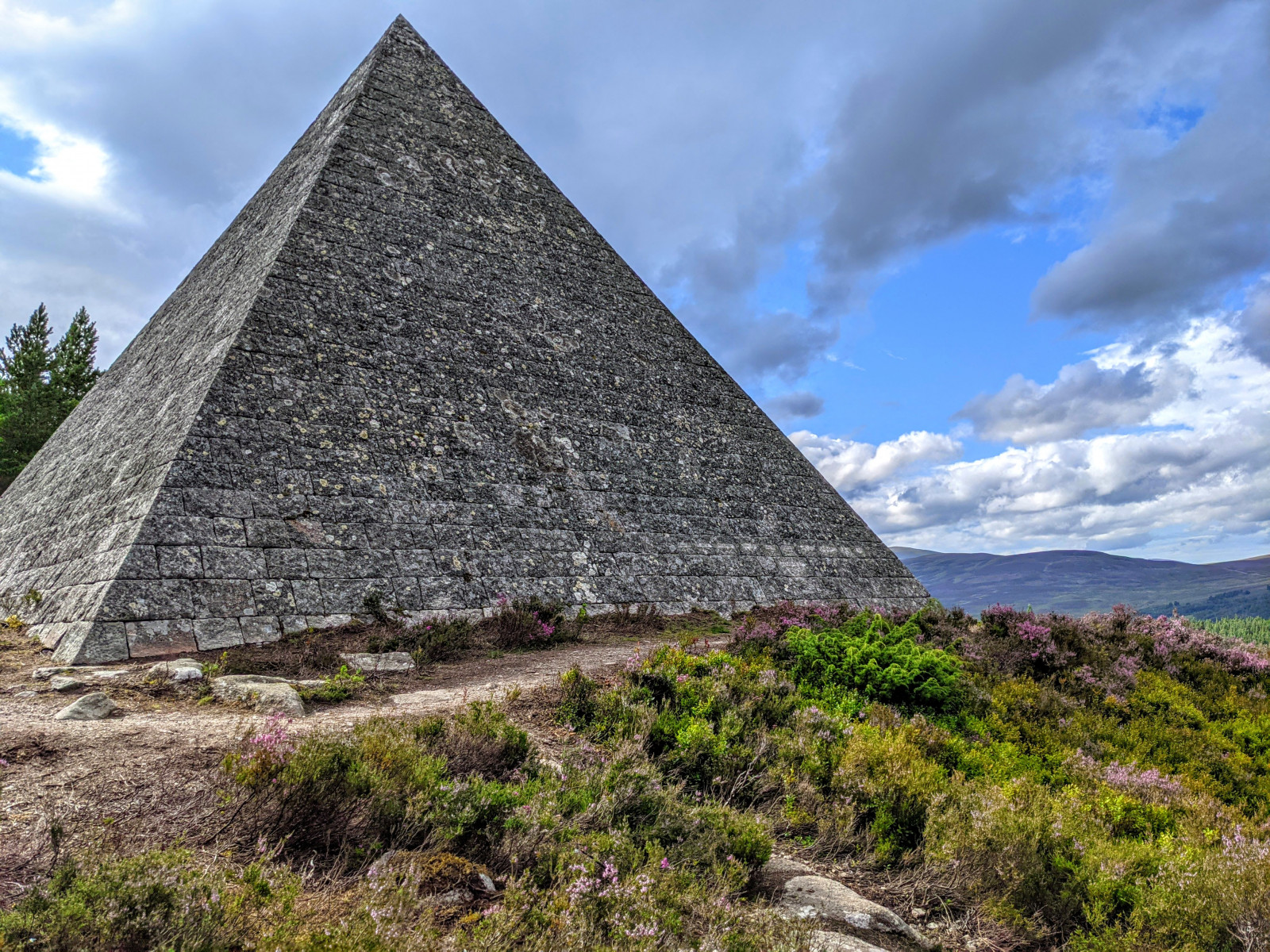
A particularly interesting route is the walk to Prince Albert’s Cairn on the Balmoral Estate. Starting near the village of Crathie, this circular walk takes you through a mix of woodland and open hillside to reach one of several memorial cairns commissioned by Queen Victoria. Prince Albert’s Cairn, pyramid-shaped and set on a prominent viewpoint, overlooks the surrounding landscape and provides a striking historical landmark within a natural setting. The full loop is around 6 km and usually takes about 2 hours, making it a relatively short but engaging walk with both cultural and scenic appeal.
Loch Muick is another standout destination for a moderate walk. The circular route around the loch spans roughly 12 km and offers constantly changing views across water, mountains, and open moorland. The terrain varies between wide, easy paths and narrower, stonier sections, which adds some challenge without making the walk overly difficult. On clear days, the surrounding hills are reflected in the loch, creating particularly photogenic conditions. While the route is generally straightforward, it is worth noting that the weather can change quickly in this area, so preparation is important even for moderate walks.
For a more elevated experience, the Mayar Circular from Glen Doll provides a stronger sense of mountain environment without reaching the most extreme levels of difficulty. Beginning along the Corrie Fee Trail, the route gradually climbs past a dramatic corrie and waterfall before reaching the summit of Mayar. From here, wide views stretch across the Angus Glens and surrounding peaks. At around 11-12 km and taking roughly 5 hours to complete, this walk requires good fitness but rewards the effort with a varied, memorable landscape.
Moderate walks in the Cairngorms often strike a balance between accessibility and adventure, offering a deeper experience of the terrain while remaining achievable for most regular walkers.
Challenging Cairngorms Walks for Experienced Walkers
For experienced walkers and those seeking a more demanding challenge, the Cairngorms deliver some of the most rewarding high-level routes in the UK. These walks involve greater distances, steeper ascents, and more exposed terrain, often requiring careful planning and awareness of conditions.
The ascent of the Morrone summit and the Morrone Birkwood Reserve, starting from the village of Braemar, is a good example of a challenging yet accessible hill walk. The route climbs steadily through Morrone Birkwood Nature Reserve before reaching open hillside and eventually the summit. From the top, walkers are rewarded with expansive 360-degree views across the Cairngorms National Park. At around 15 km and taking up to 6 hours, this walk demands stamina, particularly on the steeper sections, but does not require technical climbing skills.
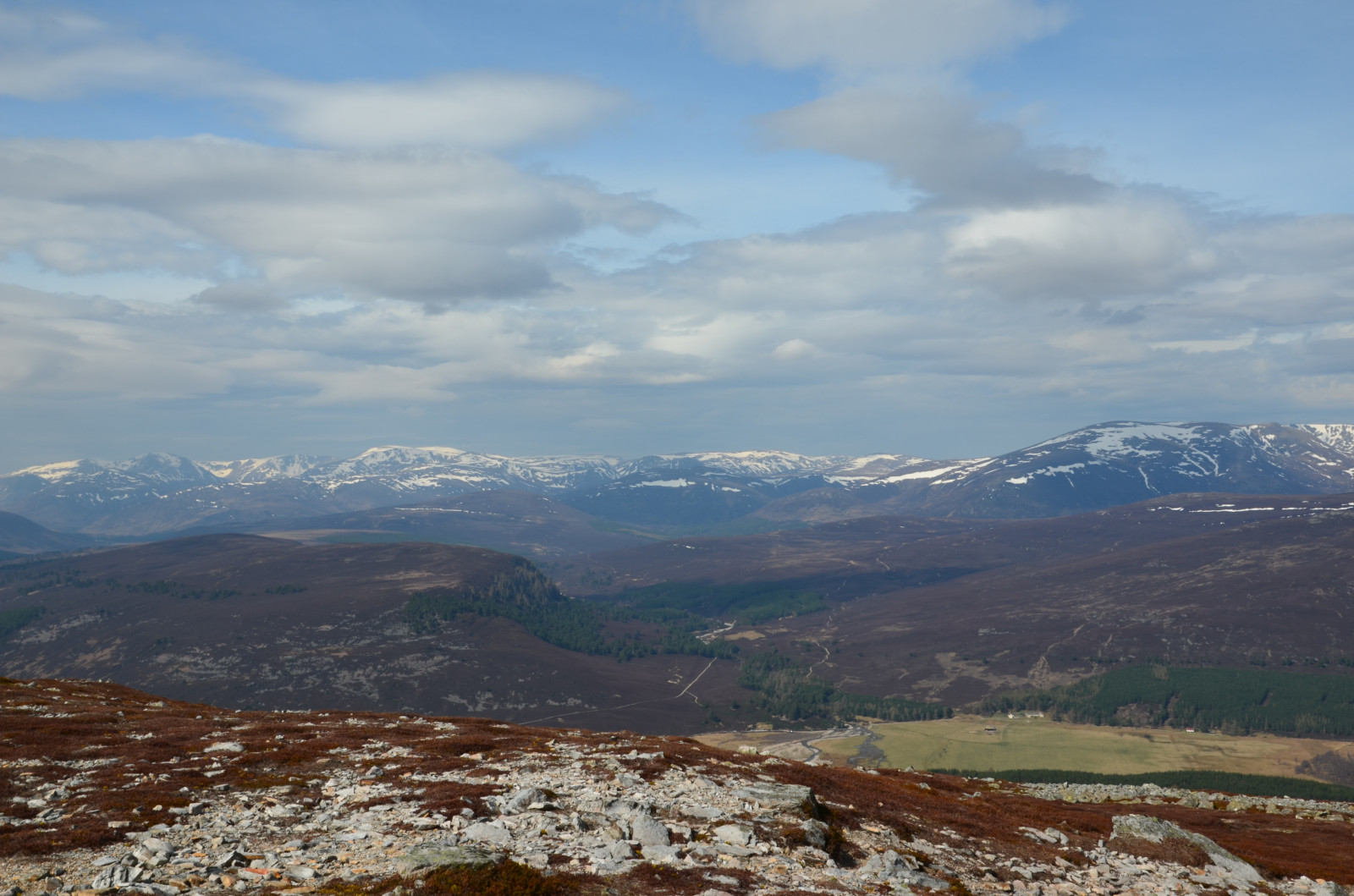
Cairn Gorm itself is one of the most iconic mountains in Scotland and a key objective for many visitors. Standing at 1,245 m, it offers a high-altitude environment that can feel markedly different from lower-level walks. Routes to the summit vary in length and difficulty, but all require respect for the conditions. Even in summer, temperatures can be significantly lower at elevation, and visibility can change rapidly. In winter, the mountain becomes a serious undertaking, often requiring specialist equipment and experience.
For those seeking a quieter, more remote experience, the walk combining Dun Muir and Carn Mor provides a less frequented alternative. Covering approximately 15-16 km, this route takes you through more isolated terrain where navigation becomes more important. Paths can be faint or intermittent, and it is easy to drift off route without careful attention. However, for those comfortable with navigation, the reward is a sense of solitude and uninterrupted views across the surrounding hills.
Challenging walks in the Cairngorms are as much about preparation as they are about physical ability. Proper planning, awareness of weather conditions, and suitable equipment are essential to ensure a safe and enjoyable experience.
What Each Season Offers for Walking in the Cairngorms
The Cairngorms change dramatically throughout the year, and understanding these seasonal differences is key to planning a successful walk.
Spring is a transitional period, where winter conditions gradually give way to milder weather. Snow can still linger on higher ground well into April or May, particularly on north-facing slopes and plateaus. Lower-level paths may be muddy, but this is also when rivers are full, and the first signs of plant life begin to return. Wildlife becomes more active, making it a rewarding time for those interested in nature.
Summer is the most popular season for walking, offering longer daylight hours and generally more stable weather. Most routes are free from snow, and the landscape is at its most vibrant, with heather beginning to bloom later in the season. However, popularity brings busier trails and limited parking at key locations, particularly during peak holiday periods.
Autumn is often considered one of the best times to explore the Cairngorms. The changing colours of the forests create striking scenery. Cooler temperatures make longer walks more comfortable, and the reduction in visitor numbers adds to the sense of tranquillity. Clear, crisp days can offer some of the best visibility of the year.
Winter transforms the Cairngorms into a much more serious environment. Snow and ice dominate the higher ground, and conditions can become hazardous with strong winds and poor visibility. Routes that are straightforward in summer may require winter navigation skills and equipment such as crampons and ice axes. For experienced walkers, however, winter offers a unique and dramatic landscape unlike anywhere else in the UK.
Regardless of the season, preparation remains essential. Weather in the Cairngorms can change quickly, and even shorter walks require appropriate clothing, navigation awareness, and contingency planning.
Wildlife and Natural Beauty of the Cairngorms
The Cairngorms are home to some of the UK’s most distinctive wildlife, supported by a wide range of habitats from ancient forests to high-altitude plateaus. Remnants of the Caledonian Forest provide shelter for species such as red squirrels and capercaillie, while more elusive animals, such as the Scottish wildcat, inhabit remote areas of the park.
Higher up, the landscape becomes harsher and more exposed, supporting species adapted to colder conditions. Mountain hares, which turn white in winter, and the UK’s only free-ranging reindeer herd are among the most notable inhabitants of these upland areas. Birds of prey, including golden eagles, can occasionally be seen soaring above the hills.
The rivers and lochs add another dimension to the ecosystem, supporting otters and Atlantic salmon. This combination of land and water habitats creates a rich, varied environment that enhances the walking experience, offering the chance of wildlife encounters throughout the park.
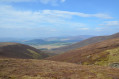
Beyond its wildlife, the natural beauty of the Cairngorms lies in its scale and diversity. Wide, open plateaus contrast with deep glens, while calm lochs reflect the surrounding mountains. Seasonal changes continually reshape the landscape, from snow-covered peaks in winter to purple heather in late summer. This ever-changing scenery is a key part of what makes walking in the Cairngorms so compelling.
Final Thoughts on Walking in the Cairngorms
The Cairngorms National Park offers an exceptional range of walking experiences, from short and accessible forest trails to demanding mountain routes. Its combination of varied terrain, rich wildlife, and dramatic scenery makes it one of the most rewarding destinations for walkers in the UK.
Whether you are visiting for a relaxed day out or aiming to take on more challenging summits, the Cairngorms provide an environment that feels both expansive and immersive. With the right preparation and an understanding of the conditions, it is a place that can be explored safely and enjoyed at any level.
For those looking to experience some of the best landscapes Scotland has to offer, the Cairngorms remain a standout destination, offering walks that are not only diverse in difficulty but memorable in every season.
 Tour of Loch an Eilein
  Visorando Member


 Easy
Easy 
 Difficult
 Moderate
  Loch An Eilein and Loch Morlich
 Tourism professional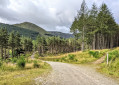
 Association / Club / Walk leader