The Best Epping Forest Walks
If you’re looking for vast ancient woodland just outside London, Epping Forest offers one of the most rewarding escapes in the southeast of England. Located in Epping, it has over 55,000 ancient trees spread across roughly 6,000 acres. This historic landscape blends open grassland, dense woodland, and ponds into a setting that feels far removed from the city.
Stretching from Manor Park in East London to the town of Epping in Essex, the forest was once a royal hunting ground. Today, it’s a protected natural space where you can step into centuries-old scenery without needing to travel far. Its size and variety make it ideal for everything from short, relaxed strolls to longer, more immersive days out.
What makes this area stand out compared to other green spaces near London is its scale and sense of freedom. Unlike more structured parks, it feels wilder and less managed, closer in spirit to places like the New Forest than a typical city woodland.
What You Can See While Exploring
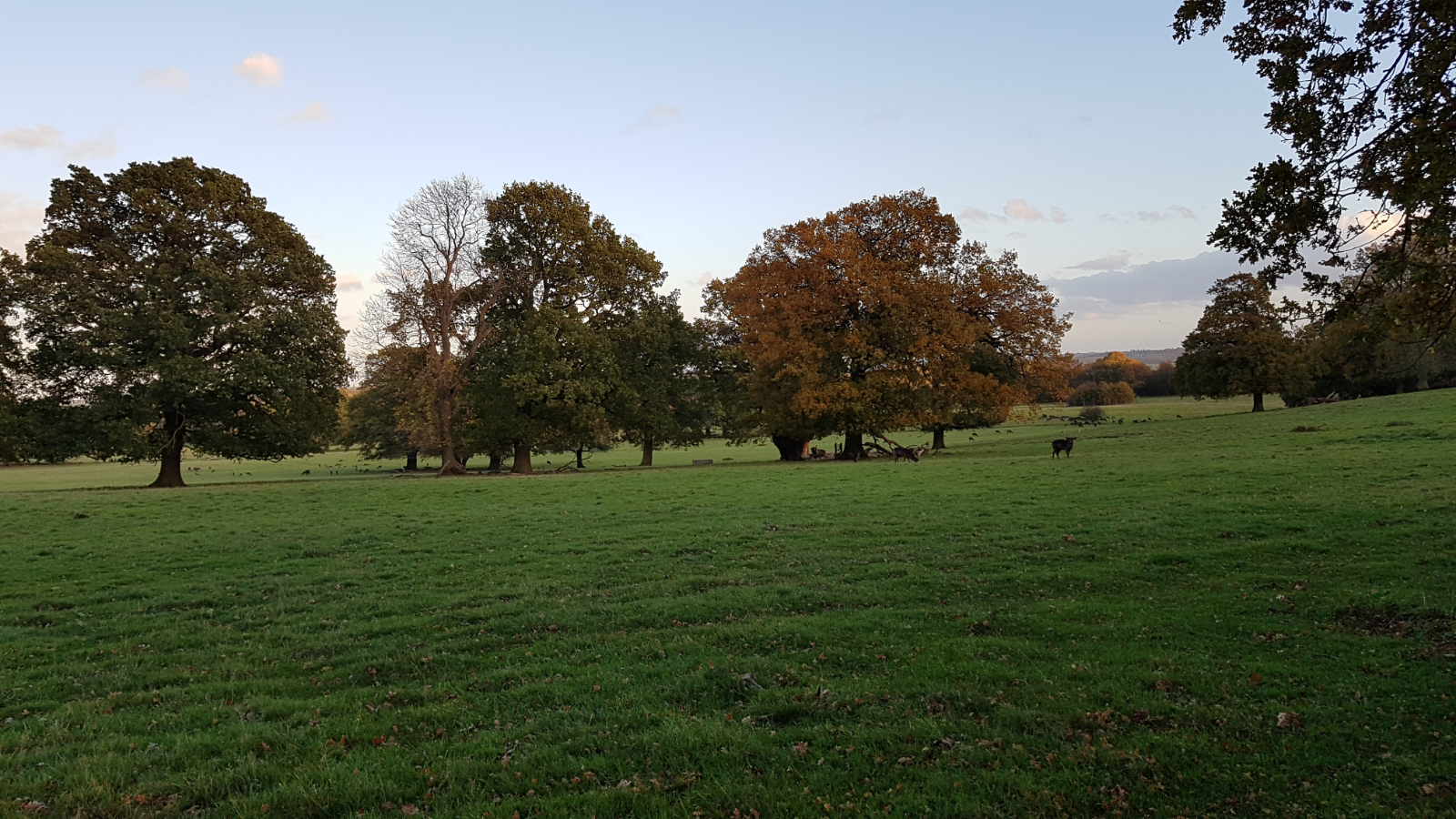
One of the highlights of Epping Forest is its ecological diversity. The area supports nine native reptile and amphibian species, ten species of bats, and nearly thirty types of butterflies. Many of the trees are ancient pollards, creating habitats that have developed over hundreds of years.
As you move through the forest, the scenery shifts constantly. Some sections feel enclosed and quiet, while others open out into heath or grassland. This variation keeps even shorter routes interesting and makes repeat visits feel different each time.
Recommended Walks (and Who They’re Best For)
Rather than choosing at random, it helps to pick a route based on what you want from the experience.
Oak Hill and Deer Sanctuary from Piercing Hill is the best for wildlife spotting and quieter surroundings.
This route takes you through a calmer, less busy part of the forest. The Deer Sanctuary is a highlight, offering a chance to observe animals in a protected setting. This easy walk is just 6.33 km and only takes about 2 hours to complete the loop. It’s a manageable option for most people and works well if you want a relaxed walk without committing to a full day.
If you would rather have more scenic views and water features, then Hollow and Bullrush Ponds from Snaresbrook Road are the best for that.
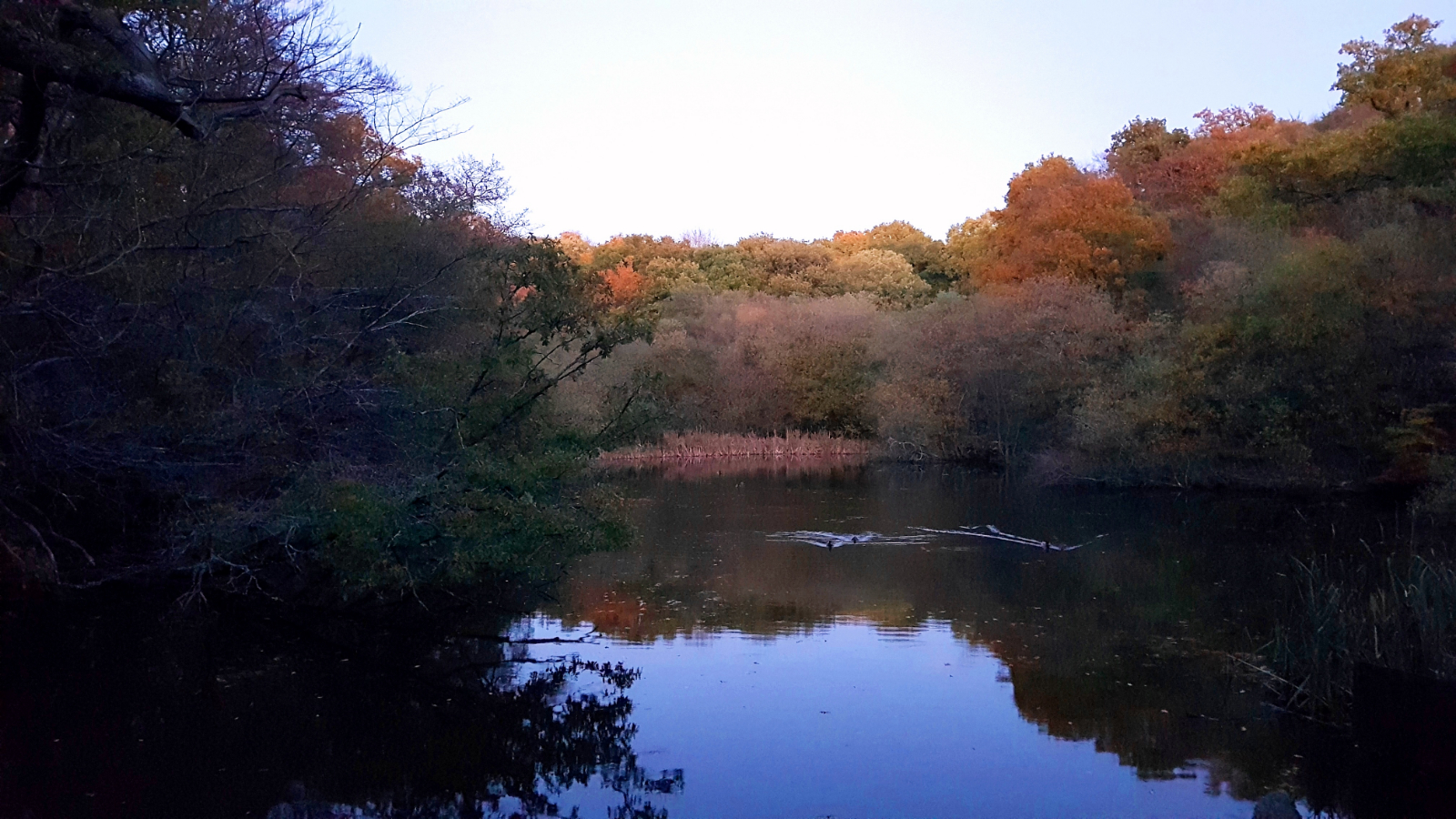
The reflective landscapes and open views make this circular route a strong choice. It’s a pretty easy walk, only 4.79 km and takes between 1-2 hours depending on your pace. The contrast between still water and surrounding woodland is especially striking in autumn, when colours intensify and mirror across the surface.
With over a hundred ponds scattered across the forest, routes like this give a very different feel compared to the deeper woodland areas, calmer, more open, and ideal for a slower pace.
Why Walking in Epping Forest is So Unique
One of the most unique aspects of walking in Epping Forest is the freedom it offers. Unlike more structured parks, you’re not limited to clearly defined paths. While there are plenty of established trails, the forest encourages exploration, allowing you to shape your own walk as you go.
As you move deeper into the woodland, it becomes easy to forget how close you are to London. The usual sounds of traffic gradually fade, replaced by birdsong and the quiet movement of leaves overhead. This sense of escape is what makes walks in Epping Forest so appealing. It’s not just about reaching a destination, but about experiencing the journey itself.
Every turn can reveal something different, whether it’s a hidden clearing, a cluster of ancient trees, or a winding path that invites you further in. This unpredictability adds to the charm of walking in Epping Forest, making each visit feel personal and slightly different from the last.
Epping Forest Walks Through the Seasons
No matter when you visit, walks in Epping Forest offer a distinct and memorable experience shaped by the changing seasons.
In spring, the forest begins to come alive again after winter. Fresh green leaves emerge across the canopy, wildflowers begin to bloom, and birds fill the air with sound. Walking in Epping Forest during this time feels refreshing, with cooler temperatures and a noticeable sense of renewal throughout the landscape.
In summer, everything is lush and dense. The canopy provides shade, making it a great escape from the heat. Expect warm temperatures, mostly dry paths, and lots of insects. It’s also the perfect time for picnics and cycling.
Autumn is often considered the most visually striking season. The forest transforms into a mix of gold, orange, and deep red, with fallen leaves covering the ground. Many walks in Epping Forest become especially atmospheric during this time, particularly in the early morning when mist lingers between the trees.
Winter offers a quieter and more open version of the forest. With the leaves gone, visibility increases, allowing you to see further through the woodland. This makes wildlife spotting easier and gives a different perspective on familiar routes. Although conditions can be colder and muddier, a crisp winter Epping Forest walk can be just as rewarding as any other time of year.
Final Thoughts on Epping Forest Walking
Epping Forest offers a rare combination of accessibility and genuine natural depth. It’s close enough to London for a spontaneous visit and large enough to feel like a proper escape.
Whether you’re after a short scenic loop, a quiet wildlife-focused route, or simply a place to wander without a strict plan, there’s plenty of flexibility here. The key is choosing a walk that matches your pace and what you want to get out of the day.
With the right route, even a brief visit can feel surprisingly immersive and very different from typical green spaces around London.
 Epping Forest Loop
  Visorando Member


 Moderate
 Easy
Easy